
Last updated on January 1st, 2026 at 09:04 am
Sadism and masochism in BDSM reveal how giving and receiving pain can heighten trust, intimacy, and connection while respecting limits and consent in your dynamic.
Sadism and masochism in BDSM create a dynamic where you and your partner can engage with control, trust, and intensity. One of you may take on the role of inflicting sensations, while the other experiences them, building a deep psychological and physical connection. This interplay relies on clear communication and consent, allowing you to explore boundaries safely. Through these interactions, you can heighten focus, embrace vulnerability, and experience intense emotional and physical responses. The balance of giving and receiving shapes your connection and encourages self-awareness, trust, and intimacy. Engaging in this dynamic can deepen your understanding of desires, sharpen your awareness of limits, and create a shared sense of intensity that strengthens the bond with your partner.
Recommended: What is BDSM?
What is Sadism in BDSM?
Sadism, within the context of BDSM, is characterized by the enjoyment or gratification derived from inflicting pain, humiliation, or control upon a consensual partner. It is essential to distinguish sadism from abuse; the primary distinction lies in the consensual nature of the activities involved. In BDSM, all interactions are rooted in mutual consent and respect, ensuring that both parties engage willingly and with full understanding of the dynamics at play. This mutual agreement and clear communication set the foundation for the sadistic experience.
The emotional and psychological motivations of those who identify as sadists can vary significantly. For some, the thrill comes from the power dynamic inherent in sadistic play, where they assume a dominant role in the interaction. Others may find satisfaction in the reaction and response of their partner, drawing pleasure from observing both physical and emotional responses. It is crucial to recognize that, in BDSM practice, sadism is an expression of intimacy and trust, where both partners explore boundaries and discover new layers of their connectivity.
Common practices within sadism include impact play, sensation play, and role-specific activities that highlight the power exchange. Impact play may involve the use of tools such as paddles, floggers, or whips, and is often centered around achieving specific, consensually agreed-upon sensations. Sensation play may involve the use of temperature variations, like hot wax or ice, to evoke particular feelings in the submissive partner. Role-specific activities might include scenarios where one partner takes on a dominant role, often leading to humiliation or degradation as part of the agreed-upon experience.
Reflecting on the importance of maintaining boundaries, sadistic practices require ongoing communication and established safe words to ensure safety and comfort for both participants. Establishing limits is essential to facilitate a fulfilling and enjoyable exploration of sadism within a consensual BDSM framework.
Related Posts
Psychological Play in BDSM: When Emotions and the Mind Are Involved
How to Negotiate and Document BDSM Scenes
How to Build Trust in BDSM Dynamics
Importance of the Right Communication in BDSM
What is Masochism in BDSM?
Masochism, within the realm of BDSM, refers to the practice in which individuals derive pleasure from experiencing pain or humiliation. It is crucial to distinguish consensual masochism from self-harm, as the former is characterized by mutual agreement and safety protocols, emphasizing the importance of consent between all parties involved. Participants willingly engage in these activities with a focus on shared enjoyment rather than inflicting genuine suffering.
Psychologically, masochists often find pleasure in the sensations associated with pain, which can lead to endorphin release and heightened emotional states. This experience may be rooted in the exploration of power dynamics, vulnerability, and submission, allowing individuals to escape from everyday stresses and embrace a different aspect of their identity. The enjoyment derived from masochistic practices varies among individuals, but it invariably exists within a framework of trust and safety.
Common practices that embody masochistic tendencies include spanking, flogging, sensory deprivation, and various forms of pain play. Each activity has its nuances and can provoke different responses based on personal preferences and limits. For instance, spanking may create a thrilling combination of physical sensation and emotional connection, while sensory deprivation can heighten other senses, leading to an intense experience. Clear communication before, during, and after these activities is vital to ensure that boundaries are respected, and experiences are mutually pleasurable.
Engaging in masochism within a structured BDSM environment promotes a unique bond between participants. It fosters a sense of community and shared experience, enabling individuals to explore their desires safely. The psychological and emotional depth often associated with masochism reveals the complexity of human sexuality and the varied ways in which individuals seek fulfillment and connection. Through understanding and consent, masochism becomes an avenue for enjoying pleasurable experiences within the BDSM context.
The Dynamics Between Sadist and Masochist
The relationship between sadists and masochists in the context of BDSM is characterized by a unique power exchange that is both complex and nuanced. At its core, this dynamic revolves around consent, trust, and the understanding of personal boundaries. A sadist typically derives pleasure from inflicting pain or psychological discomfort, while a masochist finds satisfaction and pleasure in experiencing that pain. This interplay is not solely about infliction and reception; rather, it is a mutual agreement built on emotional trust and a shared understanding of desires.
One of the fundamental aspects of this relationship is the negotiation of scenes before engaging in any activities. Communication serves as a cornerstone for establishing clear boundaries and safe words that will ensure that both partners feel secure during their experiences. This careful planning allows for the exploration of fantasies while maintaining respect for each other’s limits. For instance, a scenario may involve a sadist who has the consent of the masochist to explore specific forms of impact play, such as spanking or flogging. The masochist’s pre-determined boundaries help create a safe environment where pleasure can be derived without crossing personal comfort zones.
Moreover, the emotional trust established in these relationships often leads to a deeper connection between the participants. Many practitioners find that the dynamics of control and surrender play out in a way that cultivates intimacy, enhancing the experience for both parties. As sadists wield power, they must remain in tune with their partner’s emotional and physical responses, thus fostering a heightened sense of awareness and care. The relationship essentially evolves into a collaborative effort where both parties are actively engaged in pursuing mutual satisfaction through their defined roles.
Safety, Consent, and Communication
In the realm of BDSM, safety, consent, and effective communication are the foundational pillars that support healthy and consensual practices. The dynamic nature of sadism and masochism involves engaging in activities that can be physically and emotionally intense. Therefore, it is imperative for participants to establish clear boundaries and mutual agreement before embarking on any scene. This pre-scene negotiation is essential as it outlines the limits, desires, and personal comfort levels of each participant, thereby fostering a safe environment.
One of the key components of safety in BDSM is the use of safe words. Safe words are predetermined signals that allow a participant to communicate their need to pause or stop the activity immediately if they feel uncomfortable or unsafe. These words should be easy to remember and distinct from the normal dialogue occurring during a scene. It is also crucial to establish non-verbal signals for scenarios where communication might be hampered, ensuring that both parties are aware of how to maintain safety. This focus on verbal and non-verbal cues enhances mutual respect and understanding during the experience.
Furthermore, the practice of aftercare holds significant importance in the BDSM community. Aftercare involves the nurturing and support provided to participants once a scene has concluded, aiding in emotional and physical recovery. Whether it involves cuddling, discussing what transpired, or addressing any lingering feelings or concerns, aftercare is an integral part of the BDSM experience that ensures both parties feel valued and respected. Ultimately, adopting a risk-aware approach to BDSM not only prioritizes the physical aspects of safety but also addresses the emotional and psychological needs of all involved, laying the groundwork for a fulfilling and consensual exploration of sadism and masochism.
Psychological and Physical Benefits
Engaging in sadism and masochism within the context of BDSM can offer a variety of psychological and physical benefits that contribute to overall well-being. One of the most notable psychological advantages is the opportunity for emotional release. Participants often experience a cathartic effect, allowing them to let go of pent-up feelings and stresses. This release can serve as a healthy outlet for individuals grappling with anxiety, as the focused nature of BDSM activities demands complete presence, often leading to stress reduction and improved mood.
In addition to emotional release, BDSM practices can enhance focus on bodily sensations. This heightened state of awareness promotes mindfulness, allowing individuals to connect deeply with their physical experiences. Such concentrated engagement can facilitate an exploration of personal boundaries and enhance self-discovery. Through the practice of BDSM, many individuals develop a clearer understanding of their desires, preferences, and limits, fostering personal growth. This exploration can lead to increased self-awareness and confidence, benefitting participants both in and out of BDSM settings.
Furthermore, sadistic and masochistic dynamics can increase intimacy between partners. Trust is a fundamental component of any BDSM relationship, and the mutual reliance required for engaging in these practices often strengthens relational bonds. As partners navigate the complexities of their desires, they must communicate openly, establishing a deeper understanding of each other’s needs and wants. This communication can foster a sense of connectedness that extends beyond the confines of their BDSM activities, nurturing a supportive and affirmative relationship.
Ultimately, the psychological and physical benefits of engaging in sadism and masochism highlight the complex interplay between these practices and personal growth, self-awareness, and intimate connection. By fostering trust and encouraging profound emotional experiences, BDSM can contribute significantly to the well-being of those who engage in these practices responsibly and consensually.
Common Misconceptions About Sadism and Masochism
Sadism and masochism, often associated with the broader spectrum of BDSM (Bondage, Discipline, Dominance, Submission, Sadism, and Masochism), are frequently misunderstood aspects of human sexuality. One prevalent myth is that sadists are inherently abusive individuals. However, this view is overly simplistic and often stems from a lack of understanding about the principles of consent and mutual enjoyment that underpin BDSM practices. Sadism, in this context, refers to the enjoyment derived from inflicting consensual pain or humiliation on a partner, which is fundamentally different from non-consensual abuse. Consent is paramount; the pleasure experienced by both parties is sought mutually and is often discussed and negotiated thoroughly prior to engagement.
Conversely, masochism is often misconceived as a sign of weakness or self-hatred. This stereotype ignores the agency and strength that masochists exhibit when they choose to engage in these activities. For many, the experience of pain, in a controlled and consensual environment, leads to profound emotional and psychological satisfaction. It can enhance intimacy and trust between partners, reinforcing the bond they share. Moreover, the psychological release that can be achieved through masochism often leads to a sense of empowerment rather than vulnerability.
Another common misunderstanding is that BDSM activities are solely about pain and control. While pain might play a role, the essence of sadism and masochism is rooted in shared experiences and exploration of physical and emotional boundaries. Many practitioners engage in aftercare—activities that provide comfort and reassurance following a BDSM scene—demonstrating the thoughtfulness and care embedded within these practices. Therefore, a more informed understanding of these roles sheds light on the complexity and depth of human sexuality, moving us away from misconceptions that flourish in societal ignorance.
How to Explore Sadism and Masochism Safely
Exploring the realms of sadism and masochism within BDSM can be a rewarding venture, but it requires a strong foundation of safety and communication. Beginners should first establish clear rules and limits before engaging in any activities. This process, often termed “negotiation,” allows participants to express their desires, boundaries, and safe words clearly. A mutual understanding is vital to ensure that both parties enjoy the experience while minimizing risks.
Gradual experimentation is key when delving into sadistic and masochistic practices. Rather than diving headfirst into intense experiences, it is advisable to start with lighter activities. These could include sensory play with blindfolds or feather ticklers, which can help gauge individual responses and preferences. As comfort levels increase, participants can progressively incorporate elements that are more intense, maintaining a constant awareness of each other’s reactions.
Implementing feedback loops throughout the exploration process is essential for ensuring that both partners feel safe and fulfilled. Open communication following a session allows participants to discuss what worked, what didn’t, and how they can improve future experiences. This ongoing dialogue not only enhances mutual trust but also aids in refining techniques relevant to sadism and masochism.
Moreover, seeking guidance from the BDSM community can prove invaluable. Numerous workshops, forums, and literature are available that offer insight into safe practices and techniques. Engaging with experienced practitioners can provide beginners with useful information and mentorship, fostering a deeper understanding of the dynamics at play in BDSM. By adhering to these recommendations, individuals can explore sadism and masochism in a safe, consensual, and enjoyable manner, enhancing their overall BDSM experience.
Conclusion
Sadism and masochism in BDSM reveal the complexity and intensity of consensual power exchange. Engaging in these dynamics allows you to navigate sensations of pain and pleasure while building trust, communication, and intimacy with your partner. The experience is not about harm but about understanding boundaries, expressing desires, and deepening emotional connection. By negotiating limits, using safe words, and practicing aftercare, you create a secure space for both psychological and physical exploration. These interactions can enhance self-awareness, focus, and relational trust. When approached responsibly, sadism and masochism offer opportunities for personal growth, emotional release, and shared intensity, enriching your BDSM practice and strengthening the bond between you and your partner.
Frequently Asked Questions
What are the key differences between sadism and masochism in BDSM?
Sadism involves deriving pleasure from consensually giving pain, while masochism is enjoying the experience of receiving pain, both guided by communication and trust.
Can sadism and masochism exist outside sexual contexts?
Yes, these practices can focus on psychological play, role dynamics, or sensation exchange, providing emotional intensity without involving sexual activity directly.
How do participants ensure safety during sadism and masochism scenes?
Safety is maintained through clear rules, limits, safe words, non-verbal signals, and aftercare to protect both physical and emotional well-being.
What are the common psychological benefits of sadism and masochism?
Engaging safely can provide emotional release, increased self-awareness, focus, stress reduction, and strengthened trust and intimacy between partners.
References
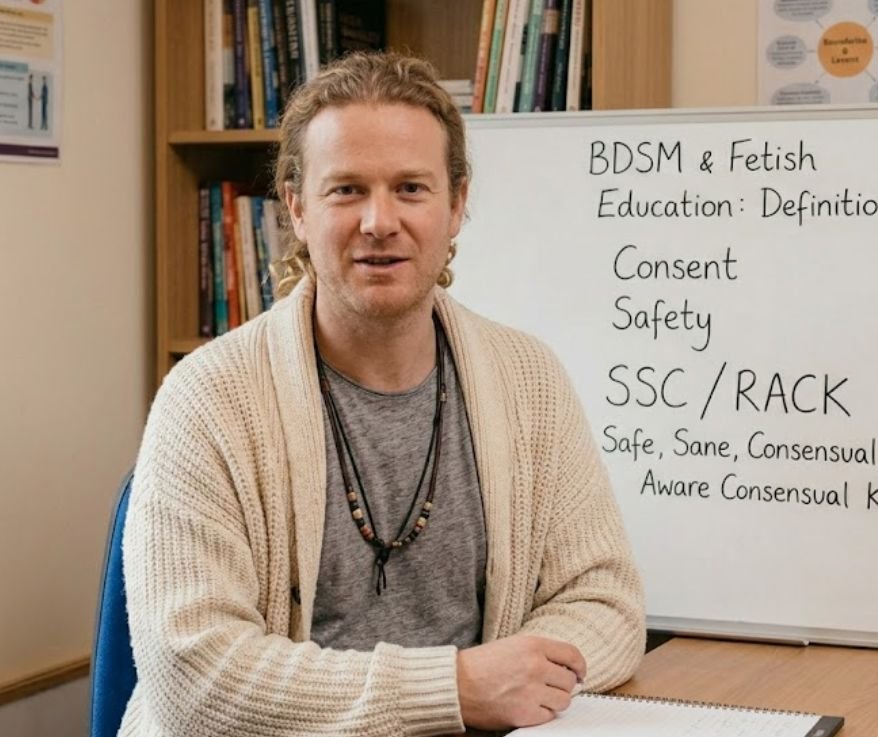
Morgan Ellis is the author and researcher behind Kink: BDSM and Fetish Chronicles. With years of study into the psychology, research, and lived experience of alternative sexuality, Morgan writes about kink, BDSM, and fetish from an educational, judgment-free perspective — grounded in consent, communication, and safety. Every article on this site reflects a commitment to honest, responsible information for curious and experienced adults alike.