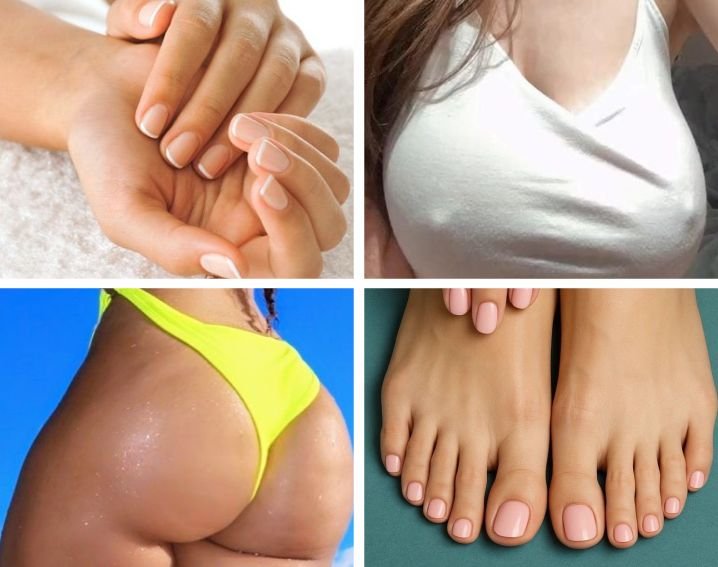
Body part fetishism ignites desire, focusing attention on hands, feet, or other features, turning specific anatomy into powerful triggers of arousal.
Body part fetishism captures attention through specific physical features, turning hands, feet, hair, or other parts into focal points of desire.
These fetishes often appear in private fantasies, shared sexual play, or intimate observation, shaping how attraction is experienced and expressed.
They can enhance connection by linking visual cues, touch, or gestures to erotic excitement, creating a bridge between sensuality and psychological stimulation.
While some features may carry cultural or symbolic meaning, others gain significance through personal experience, imagination, or repeated association with pleasure.
This form of sexual interest highlights the diversity of human desire, showing how fascination with particular body parts can influence arousal, deepen intimacy, and become an enduring element in erotic expression.
If you are new to the sexual fetishism discussion, start from the beginning.
Table of Contents
What is Body Part Fetishism (Partialism)?
Body part fetishism, also called partialism, is a sexual attraction focused on specific physical features, such as feet, hands, hair, or legs.
Desire centers on these body parts rather than the whole person, often combining visual, tactile, and imaginative stimulation.
Such fetishes can influence fantasies, intimacy, and sexual expression, turning individual features into recurring triggers for arousal, attention, and erotic focus.
How Body Part Fetishism Differ From General Sexual Attraction
Body part fetishism differs from general sexual attraction because the focus is on specific physical features rather than overall appearance or personality.
General sexual attraction involves interest in a person as a whole, combining emotional connection, compatibility, and overall physical appeal.
With body part fetishes, arousal is strongly linked to particular parts, feet, hands, hair, or other features, making them central to desire and sexual fantasy.
Visual cues, tactile engagement, and imagined scenarios tied to these parts can trigger sexual excitement independently of broader romantic or emotional connection.
While someone might find many people attractive in general, body part fetishes create a persistent, feature-specific focus.
This distinction helps separate fetishistic desire from general preference, showing how sexual interest can concentrate on details rather than the full person, often shaping fantasies, intimacy, and erotic expression in unique ways.
Common Types of Body Part Fetishes
Partialism fetishes focus sexual interest on specific features, turning sight, touch, and imagination into powerful triggers.
Attraction can be tactile, visual, or symbolic, and these fetishes shape fantasy, intimacy, and erotic expression in ways distinct from general sexual preference.
Feet and Toes (Podophilia)
Feet and toes are among the most commonly fetishized body parts, especially among men.
Arches, soles, and toes engage multiple senses, including touch, sight, and scent.
Activities like massaging, kissing, or tracing toes can heighten arousal, while socks, shoes, or stockings amplify erotic focus.
Movements such as walking, stretching, or flexing can intensify visual appeal.
Foot fetishism can connect to roleplay, dominance, or submission, transforming a normally overlooked feature into a primary sexual trigger.
Visual cues, tactile sensations, and ritualized attention combine to make feet a reliable source of consistent erotic stimulation. See a dedicated post on foot fetishism.
Hands and Fingers (Cheirophilia)
Hands and fingers attract through form, movement, and touch.
Long, delicate fingers or well-manicured nails may inspire visual arousal, while caressing or holding adds tactile stimulation.
Fetishistic interest can include gestures, nail care, or hand-focused intimacy.
Fingers may play roles in dominance, submission, or stimulation of erogenous zones.
Subtle movements, such as stroking skin or intertwining fingers, can trigger strong arousal.
Hands’ expressive capacity allows ritualized sexual play, merging sight, touch, and psychological cues.
The combination of texture, movement, and attention makes hands a potent source of sexual fascination and erotic focus.
Hair (Trichophilia)
Another type of partilism is hair fetishism. Hair captivates through texture, color, length, and scent, forming diverse fetishes. Brushing, styling, or gentle pulling often becomes eroticized.
Tactile feedback from soft, thick, or smooth hair increases stimulation, while scent can trigger memory or emotional arousal.
Hair fetishes may intersect with roleplay, dominance, or submission, as control over hair can symbolize intimacy or authority.
Grooming, braiding, or washing rituals heighten anticipation, enhancing visual and physical attraction.
Hair provides both a symbolic and sensory focus, linking appearance, fantasy, and tactile pleasure, while playing a versatile role in erotic scenarios.
Breasts and Nipples (Mazophilia)
I explain the breast and nipple as a sacred type of partialism. Breasts and nipples draw attention through prominence and sensitivity.
Size, shape, and responsiveness contribute to arousal, while tactile or oral stimulation amplifies erotic focus.
Clothing, posture, and exposure can enhance visual interest. Breasts can carry symbolic weight, representing nurturing, sensuality, or erotic power.
Interaction often combines sight, touch, and imagination, turning breasts into focal points for sexual activity.
Rituals, admiration, and extended attention reinforce arousal, making breasts and nipples enduring elements in fetishistic sexual expression.
Buttocks (Pygophilia)
Buttocks attract through shape, firmness, and movement.
Fetishistic interest emphasizes curves, symmetry, and clothing’s highlighting effect.
Physical touch, spanking, or massage heightens tactile pleasure, while visual focus fuels imagination.
Buttocks may play a role in erotic power dynamics, dominance, or flirtation, with fantasies revolving around posture or movement.
The area’s responsiveness and visibility provide consistent stimulation.
Symbolic associations with sexuality or control enhance psychological appeal.
Combined sensory and imagined experiences make the buttocks a versatile, compelling focus of body part fetishes.
Legs and Thighs (Crurophilia)
Legs and thighs draw attention through shape, smoothness, and presentation.
Erotic focus may highlight length, curves, or exposure through clothing.
Touch, stroking, or kneeling during intimacy enhances arousal, while visual contrast against skin adds stimulation. Legs and thighs can symbolize dominance, submission, or tension.
Gestures such as crossing, stretching, or walking create dynamic visual triggers.
Combined with tactile feedback, sight, and fantasy, they consistently provide erotic interest, offering both aesthetic and sensory cues that strengthen desire and sexual engagement.
Ears and Lips
Ears and lips attract through shape, movement, and sensitivity.
Lips are central to kissing, nibbling, or whispering, blending tactile, auditory, and visual stimulation.
Ears can become subtle erotic triggers through gentle touch or whispering.
Fetishistic interest often involves size, shape, or responsiveness, turning small features into sources of arousal.
Lips and ears can also play symbolic roles in intimacy, dominance, or nurturing.
Rituals such as brushing, licking, or proximity integrate sensory and psychological stimulation, creating intense erotic focus and expanding intimate fantasy.
Less Common Examples (Maschalagnia, Alvinophilia, Elbows, Neck)
Armpits (Maschalagnia), navels (Alvinophilia), elbows, and neck are less common but highly eroticized for some.
Soft skin, scent, warmth, or posture creates tactile and visual stimulation.
Armpits engage touch and smell, while necks combine vulnerability with sensuality through kissing or gentle biting.
Elbows may attract attention for shape or movement.
These less typical features provide multisensory triggers, extending fetishistic interest beyond standard body parts and opening novel pathways for desire, fantasy, and intimate connection.
Recommended Posts
Fat Fetishism: Why People Are Aroused By Fatness
How Cross-Dressing Inspires Sexual Desires
Leather Fetishism and How it Occurs
When Objects Trigger Sexual Desires
How Partialism (Body Parts Fetishism) Develops
Body part fetishes develop through a mix of psychological, biological, and cultural influences, where early experiences, sensory associations, and exposure to media shape sexual focus and arousal toward specific features.
Psychological Factors: Early Experiences and Conditioning
Body parts fetishism mostly develops through psychological factors.
Early life experiences and conditioning can link arousal to particular body parts.
Positive attention, touch, or observation during formative years may imprint erotic associations, while repeated exposure to certain stimuli reinforces interest.
Over time, these experiences create mental connections between desire, touch, and visual focus, turning features like feet, hands, or hair into consistent sexual triggers that guide fantasies, attraction, and intimate behavior.
Biological and Evolutionary Considerations
Biological and evolutionary traits influence why certain body parts attract attention.
Features signaling health, fertility, or strength may become eroticized, with neural pathways responding to visual, tactile, or olfactory cues.
Hormonal factors and brain reward systems reinforce arousal patterns, while innate preferences interact with learned behavior.
This combination explains why some parts consistently trigger desire across diverse populations.
Cultural Influences and Media Exposure
Cultural norms and media exposure shape which body parts gain sexual attention.
Fashion, advertising, movies, and online content highlight specific features, creating familiarity and aesthetic appeal.
Social reinforcement, humor, or taboo can amplify erotic focus, while repeated imagery strengthens mental associations.
Cultural factors work alongside personal experiences to define patterns of arousal and erotic preference toward specific body parts.
Body Part Fetishes in Sexual Practice
Body part fetishes play an active role in sexual experiences, shaping foreplay, arousal, and intimacy while offering opportunities for safe, consensual, and imaginative erotic expression across a variety of settings.
Role in Foreplay and Sexual Satisfaction
Focusing on a fetishized body part can intensify arousal, stimulate multiple senses, and build anticipation.
Touch, sight, and even scent guide sexual attention, making foreplay more engaging.
Activities may include kissing, stroking, or gentle teasing, while visual admiration enhances excitement.
Integrating these elements can increase sexual satisfaction, deepen intimacy, and connect physical pleasure with mental stimulation, turning ordinary interactions into highly focused erotic experiences.
Safe and Consensual Ways to Explore Fetishes
Consent, communication, and boundaries are central to healthy fetish practice.
Partners can negotiate activities, establish comfort levels, and use clear signals to ensure enjoyment.
Safe experimentation, mutual respect, and attention to emotional response allow exploration without pressure or risk, keeping erotic engagement positive, empowering, and fully consensual.
Incorporation Into Kink and BDSM Dynamics
Fetishized body parts naturally integrate into kink or BDSM scenarios.
Hands, feet, hair, or other features can become focal points in dominance, submission, or sensory play.
Roleplay, restraint, or ritualized attention enhances erotic tension while emphasizing power dynamics, consent, and communication.
Combining fetishes with kink deepens psychological engagement, amplifies arousal, and expands opportunities for creative, consensual sexual expression.
Partialism and Relationships
Partialism enriches relationships when approached with care, communication, and mutual understanding, allowing erotic focus on specific features to enhance intimacy, connection, and shared sexual satisfaction between partners.
Navigating Attraction Differences With Partners
Differences in sexual interest can challenge relationships, especially when one partner has a strong body part fetish.
Open discussion, empathy, and flexibility help balance desire with comfort, allowing both partners to feel understood, respected, and valued while maintaining healthy intimacy.
Communication and Consent
Clear, honest dialogue about fetish interests ensures all parties agree on boundaries, expectations, and activities.
Consent is essential, guiding experimentation and protecting emotional well-being, while ongoing communication allows adjustments to preferences, maintaining trust and mutual satisfaction.
Building Intimacy Through Fetish Expression
Fetish-focused interactions can deepen intimacy by combining attention, touch, and admiration.
Engaging partners in rituals, roleplay, or gentle exploration strengthens emotional bonds, making sexual expression more meaningful, connecting physical desire with emotional closeness and shared erotic enjoyment.
When to Seek Help for Partialism
Knowing when partialism begins to affect emotions, relationships, or daily routines helps maintain sexual well-being and overall mental health, providing clarity on when guidance or support might be needed.
Signs a Fetish May Cause Distress or Interfere With Daily Life
A fetish may become concerning if it causes persistent anxiety, guilt, or distraction, or if it disrupts work, social life, or intimate relationships.
Noticing these patterns signals the need for reflection or professional support.
Therapy and Counseling Options
Licensed therapists or counselors offer safe spaces to discuss fetishistic interests, address shame, and develop coping strategies.
Support can focus on healthy boundaries, emotional balance, and integrating sexual expression without harm.
Healthy vs. Unhealthy Fetish Expression
Healthy fetish expression is consensual, controlled, and does not harm oneself or others.
Unhealthy patterns involve compulsion, coercion, or emotional distress, indicating a need for intervention or professional guidance.
Pop Culture and Body Part Fetishism
Body part fetishism has appeared in movies, television, literature, and online media, shaping how desire and attraction are portrayed, influencing fantasies, and subtly reinforcing certain cultural preferences and erotic focus.
Representation in Media, Movies, and Literature
Films, TV shows, and novels sometimes highlight feet, hands, or hair as symbols of attraction, sensuality, or taboo.
Visual cues, descriptive attention, or character interactions can normalize or eroticize these body parts, making them more visible in personal fantasies and encouraging fascination with specific forms of beauty and touch.
Influence on Societal Perceptions and Personal Fantasies
Media exposure shapes awareness and curiosity around fetishes, subtly validating interests that might otherwise feel private.
Seeing body parts eroticized influences cultural standards of desirability, triggers imaginative scenarios, and reinforces associations between attraction, intimacy, and sensory pleasure.
Conclusion
Body part fetishism highlights how specific features, such as feet, hands, hair, or lips, can become focal points of desire, shaping both fantasy and intimate experiences.
These fetishes blend visual, tactile, and imaginative stimulation, turning attention to individual anatomy into enduring sources of arousal.
Integrating such interests responsibly into sexual practice strengthens connection, communication, and shared enjoyment.
Media, culture, and personal experiences all influence which features attract focus, while consent and mutual understanding keep expression safe and respectful.
Recognizing a fetish as part of sexual diversity helps reduce stigma, encourages healthy exploration, and maintains emotional balance.
Ultimately, body part fetishism demonstrates the wide spectrum of human desire, showing how specific physical traits can enhance intimacy, erotic focus, and relationship satisfaction.
Frequently Asked Questions
What is Body Part Fetishism, also known as Partialism?
Body part fetishism, or partialism, involves sexual attraction to specific features like feet, hands, or hair, shaping fantasies, intimacy, and sexual expression through sight, touch, or imagination.
How Does Partialsim Differ from General Sexual Attraction?
Unlike general attraction, body part fetishism focuses on specific anatomy rather than the whole person, influencing fantasies, foreplay, and intimate attention around selected features.
When Should Someone Consider Seeking Help for a Fetish?
Guidance is recommended if a fetish causes distress, compulsive behavior, or daily disruption. Therapy supports safe integration, boundary setting, and addressing shame or anxiety.
Can Body Part Fetishes Be Shared with Partners Safely?
Fetishes can be explored safely through open communication, clear boundaries, and consent, allowing mutual enjoyment, strengthened intimacy, and respect for both partners’ comfort and autonomy.
What are the most common body part fetishes?
Feet (Podophilia), hands (Cheirophilia), hair (Trichophilia), breasts (Mazophilia), buttocks (Pygophilia), legs (Crurophilia), ears, and lips are frequently fetishized, each triggering arousal through sight, touch, or fantasy.
Can body part fetishes change over time?
Fetish focus may shift depending on experiences, partners, or exposure. Interests can broaden, fade, or evolve, but some preferences remain consistent throughout life.
Are body part fetishes considered mental disorders?
Body part fetishes are not mental disorders unless they cause distress, compulsive behavior, or harm to self or others, requiring professional evaluation.
How can I explore a body part fetish safely with a partner?
Consent, communication, and clear boundaries ensure safety. Discuss desires openly, respect limits, use signals, and focus on mutual enjoyment during sexual exploration.
References
Morgan Ellis is the author and researcher behind Kink: BDSM and Fetish Chronicles. With years of study into the psychology, research, and lived experience of alternative sexuality, Morgan writes about kink, BDSM, and fetish from an educational, judgment-free perspective — grounded in consent, communication, and safety. Every article on this site reflects a commitment to honest, responsible information for curious and experienced adults alike.