
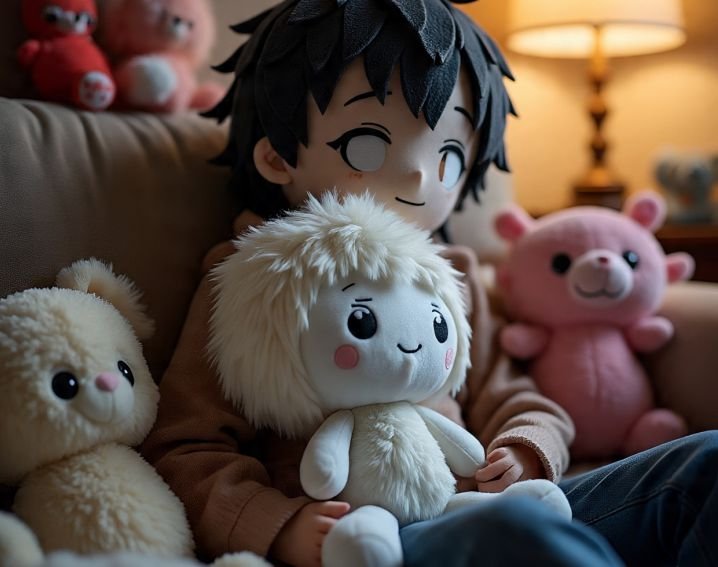
Autoplushophilia sparks fascination with plush toys, blending fantasy, comfort, and erotic curiosity, revealing a distinctive niche within fetish culture.
Autoplushophilia draws attention within kink and fetish communities, where plush costumes become a medium for personal expression, fantasy, and connection.
Many find pleasure in embodying anthropomorphic characters, blending imagination with tactile experience.
This interest can provide comfort, escapism, and emotional satisfaction, while also serving as a playful outlet for sexual curiosity.
Participation ranges from casual involvement in plush costume events to deeper emotional or erotic engagement, highlighting the diverse ways desire can manifest.
Autoplushophilia intersects with cosplay culture, turning spectators into active participants who bring characters to life, merging creativity with attraction.
The plushie community offers a space for acceptance, discussion, and shared experiences, supporting those who identify with this niche interest.
Exploring this phenomenon reveals the intricate interplay between identity, fantasy, and consensual expression of sexuality.
Recommended: Introduction to sexual fetishism.
Table of Contents
What is Autoplushophilia?
Autoplushophilia is a paraphilia, a parasexual or emotional attraction to plush materials, stuffed toys, and wearing plush costumes, often blending fantasy, role-play, and personal expression. More on weird paraphilias.
This fetish focuses on embodying characters, bringing playful or anthropomorphic personas to life, and engaging in creative forms of self-expression within a supportive community.
Components of Autoplushophilia
The term combines “auto,” relating to oneself, with “plush,” referencing soft materials or stuffed animals, and “philia,” meaning attraction.
Together, it highlights a personal connection to plush costumes, fursuits, or characters.
Individuals enjoy the tactile feel of plush, the emotional comfort it provides, and the way it allows them to inhabit a fantasy persona in both private and social settings.
Behavior and Role-Playing
Participation often includes wearing plush suits, adopting character traits, mannerisms, or voices, and role-playing within personal or community contexts.
These behaviors blend creativity, performance, and erotic or emotional engagement, making the experience immersive and interactive while fostering connection with like-minded people.
Distinction from Plushophilia
Autoplushophilia differs from plushophilia, which focuses on attraction to plush toys themselves rather than the act of embodying a character.
While related, autoplushophilia emphasizes the lifestyle, performance, and personal embodiment found in furry or cosplay communities, highlighting its place within broader plush-related fetishes.
Related Posts
Everything to Know about Foot Fetish (Podophilia)
Sexual Arousal By Leather Materials (Leather Fetishism)
Rubber and Latex Fetishism – Why They Make You Horny
Understanding Object Fetishism
Acrotomophilia and Its Place in Sexual Fetishism
Why Do People Have Autoplushophilia?
The reasons behind autoplushophilia are multifaceted, combining psychological, emotional, and social factors.
Attraction to plush costumes or anthropomorphic characters blends fantasy, comfort, and tactile stimulation, while also offering a safe avenue for self-expression and personal identity exploration.
Psychological Foundations
Early experiences, memories, and cognitive associations often shape attraction.
Nostalgia for childhood toys, coupled with imaginative role-play, can create lasting emotional connections, linking tactile materials to pleasure, security, and excitement in both intimate and social contexts.
Emotional Comfort and Escapism
Soft textures and playful designs provide reassurance and calm.
Many use plushie interactions to relax, relieve stress, or temporarily escape adult pressures, turning the fetish into both a coping mechanism and an emotionally satisfying outlet.
Sensory and Physical Stimulation
The tactile feel of plush materials, combined with visual and auditory cues, engages multiple senses.
This stimulation enhances emotional arousal, making interactions immersive, comforting, and enjoyable while reinforcing personal fantasies or erotic expression.
Social and Identity Factors
Participation in plushie or furry communities allows safe exploration of self-expression, role-play, and character embodiment.
Social engagement fosters connection, acceptance, and affirmation, reinforcing why individuals gravitate toward autoplushophilia.
Psychological Perspectives on Autoplushophilia
The attraction to plush costumes, fursuits, and stuffed characters involves layers of emotion, imagination, and personal expression.
Fantasy, comfort, regression, sensory engagement, and identity shape desire and interaction.
Imagination and Fantasy in Plush Fetishes
Fantasy allows individuals to assign traits and backstories to plush characters, creating immersive scenarios that blend emotion, creativity, and tactile engagement for playful or intimate experiences.
Emotional Comfort and Nostalgia
Soft toys and fursuits bring reassurance and calm, recalling childhood memories and promoting emotional safety, relaxation, and stress relief during immersive role-play or personal moments.
Sensory Engagement and Physical Interaction
The texture, warmth, and tactile feel of plush materials enhance sensory stimulation, connecting physical touch with fantasy, increasing emotional satisfaction and deepening the experience of role-play.
Identity Expression Through Role-Play
Embodying plush characters supports self-expression, social interaction, and confidence, allowing exploration of desires and personality traits within safe, playful, and understanding communities.
Insights from Fetish Studies
Paraphilia research shows cognitive patterns, emotional attachment, and sensory preferences combine, explaining the appeal of plush costume fetishes and their continued engagement in safe communities.
Autoplushophilia in the Context of Sexual Fetishism
Autoplushophilia represents a specific form of sexual interest where affection, fantasy, and tactile experience converge.
It sits alongside role-play and costume-based fetishes, highlighting comfort, identity, and playful erotic expression.
Shared Themes with Costume and Role-Play Fetishes
Autoplushophilia shares traits with cosplay, latex, and other role-play fetishes.
Participants enjoy embodying characters, engaging in tactile stimulation, and blending visual aesthetics with erotic interest, creating immersive experiences that combine fantasy, identity, and pleasure within ethical, consensual frameworks.
Affection and Sensory Connection
Soft textures and playful designs provide both emotional and sensory engagement.
Nostalgia and comfort combine with erotic curiosity, allowing tactile interaction with plush materials to become an emotionally satisfying and stimulating part of personal expression and fantasy exploration.
Community and Inclusion
Engagement with plush or fursuit communities encourages connection, support, and acceptance.
Social spaces within kink circles allow participants to discuss fantasies, share experiences, and enjoy a sense of belonging while celebrating diversity of sexual and imaginative expression.
Interconnectedness of Sexual Interests
Autoplushophilia intersects with other fetish practices, illustrating how tactile, emotional, and imaginative elements influence sexual expression.
Emotional attachment, role-play, and physical engagement often reinforce participation and make the experience both immersive and meaningful.
Acceptance and Autonomy in Kink Spaces
Kink communities provide judgment-free environments where preferences like autoplushophilia can be safely embraced.
Consent, playful experimentation, and autonomy allow participants to express desire while fostering ethical and respectful engagement with others.
Social and Ethical Considerations
Engaging in autoplushophilic activities involves more than personal enjoyment.
Awareness of consent, boundaries, and social perception ensures safe, respectful, and ethical participation within fetish and kink communities.
Consent and Boundaries in Plushie Activities
Consent is central to any intimate or fetish-related activity.
Establishing clear boundaries with partners or within role-play settings ensures mutual understanding, safety, and comfort, allowing playful exploration without crossing personal or emotional limits, and promoting respectful, enjoyable experiences for everyone involved.
Avoiding Fetishization and Objectification
Focusing solely on plush materials or costumes can unintentionally reduce interactions to tools for gratification.
Maintaining awareness of emotional and relational significance prevents objectification and preserves the integrity of connections with partners or fellow enthusiasts.
Societal Perceptions and Stigma
Plushie fetishes can face judgment or misunderstanding from those outside the community.
Stigma may discourage discussion or participation, leading to isolation.
Open dialogue and education help reduce misconceptions, encouraging acceptance and responsible engagement.
Promoting Ethical Engagement
Remaining mindful of social and ethical considerations strengthens the experience of autoplushophilic activities.
Respect, consent, and awareness of community norms foster an environment where participants can safely express desires while maintaining dignity and mutual respect.
Representation in Media and Community
Autoplushophilia has gained visibility through media and online spaces, allowing participants to express interest in plush characters, share experiences, and connect with supportive communities while navigating societal perceptions.
Online Communities and Social Platforms
Forums, social media groups, and fan pages provide spaces to share artwork, role-play experiences, and personal stories.
These platforms strengthen community bonds, encourage discussion of emotional and psychological aspects, and offer support for those who identify with plush or fursuit interests.
Adult-Themed Content and Public Perception
Fursuit or plush-themed adult content increases visibility but can create misconceptions.
While sexual elements exist, many participants engage primarily in fantasy, cosplay, or playful performance, which is often misinterpreted by outsiders.
Mainstream Media and Cultural Influence
Animated series, conventions, and online coverage introduce plush-related themes to wider audiences.
Exposure can lead to both curiosity and stigma, making accurate representation important for normalizing the community and reducing judgment.
Amplifying Community Voices
Encouraging diverse perspectives from the plushie and furry community helps challenge stereotypes, highlight the variety of motivations, and encourage understanding of both playful and erotic dimensions of autoplushophilia.
Navigating Autoplushophilic Desires Safely
Engaging with autoplushophilic interests requires mindfulness, respect, and communication.
Approaching the fetish responsibly ensures safe exploration of desires while maintaining trust, consent, and emotional well-being for all involved.
Open Communication with Partners
Clear dialogue is key when exploring plush-related attractions.
Discussing fantasies, preferences, and comfort levels allows mutual understanding, strengthens trust, and creates a safe space where playful or intimate role-play can occur without pressure or misunderstanding.
Consent as a Guiding Principle
Mutual agreement ensures interactions remain safe and respectful.
Sharing which activities are enjoyable or off-limits encourages ethical engagement, builds confidence, and allows participants to connect emotionally while honoring personal boundaries.
Establishing Boundaries
Setting limits prevents discomfort or miscommunication.
Safe words, gestures, or defined rules help participants feel secure, allowing experimentation with tactile experiences, role-play, or costume interaction within a controlled, respectful environment.
Seeking Kink-Aware Support
Therapists familiar with fetish communities and online or local support groups provide guidance, discussion, and shared experiences.
These resources promote healthy engagement, emotional safety, and a sense of belonging for individuals exploring plush interests.
Challenges and Misunderstandings
Autoplushophilia, the attraction to plush toys and fursuits, faces social challenges and frequent misconceptions.
Misunderstanding from the public and even within fetish communities can create stigma, isolation, and difficulty expressing desires openly.
Stereotypes and Misconceptions
Many assume this fetish reflects immaturity or childhood regression.
In reality, motivations vary, including emotional comfort, role-play, and sexual expression.
Misrepresentation can lead to judgment, social exclusion, and difficulty discussing personal interests safely.
Diversity of Experiences
Autoplushophilia encompasses a broad spectrum of behaviors, from casual role-play to deeper emotional or erotic engagement.
Each participant’s connection to plush materials differs, highlighting the range of ways desires and attachments manifest.
Challenges Within BDSM Communities
While some principles overlap, such as consent and role-playing, plushie interests are sometimes misunderstood or overlooked.
This narrow view can limit inclusion, participation, or recognition in broader kink and fetish spaces.
Promoting Awareness and Inclusion
Honest dialogue and education reduce stigma and foster empathy.
Creating supportive spaces encourages discussion of plushie interests, allowing respect for diverse sexual and emotional expressions while combating judgment and exclusion.
Conclusion: Embracing Diversity in Fetishes
Autoplushophilia illustrates one of many ways human sexuality expresses attraction and desire, reflecting emotional and psychological layers that shape identity.
Accepting diverse fetishes reduces stigma, encourages open dialogue, and allows individuals to share experiences safely.
Understanding these interests fosters empathy, showing that sexual expression varies widely and can enrich personal and social connections.
Open, respectful conversations challenge misconceptions, educate, and create supportive communities where people can explore desires freely.
Embracing fetishes like autoplushophilia promotes inclusion, compassion, and recognition of different identities, contributing to a society that values healthy sexual expression and celebrates the broad spectrum of human attraction and personal fulfillment.
Frequently Asked Questions
What is Autoplushophilia?
Autoplushophilia involves attraction to plush materials, stuffed animals, or fursuits, combining role-play, tactile engagement, and fantasy. Participants often embody characters, blending emotional comfort with playful erotic expression in safe community spaces.
How does Autoplushophilia differ from Plushophilia?
Unlike plushophilia, which centers on attachment to stuffed toys themselves, autoplushophilia focuses on wearing or embodying plush costumes, emphasizing performance, character immersion, and identity exploration within cosplay or furry communities.
Can Autoplushophilia be part of broader kink or fetish communities?
Yes, this fetish shares themes with role-play, costume, and cosplay-based interests. Participants interact through tactile experiences, fantasy scenarios, and emotional connection, often overlapping with kink-friendly social or community spaces.
How can individuals engage safely with Autoplushophilic desires?
Clear communication, consent, and boundary-setting are essential. Kink-aware counselors, supportive forums, and community spaces provide guidance, promote ethical interaction, and ensure participants feel secure while exploring fantasies responsibly.
References

Pyo Merez is a respected author and one of the backbones of our review board. He is an advocate in the BDSM community, known for his insightful writings and dedication to educate and empower individuals about the dynamics of BDSM. His work covers various aspects of BDSM, emphasizing open communication, consent, and healthy boundaries. Through online platforms, workshops, and speaking engagements, Pyo creates a non-judgmental space for individuals to freely express themselves and explore BDSM responsibly. His work has helped many people navigate their journeys and fostered understanding and appreciation for BDSM.