
Last updated on November 12th, 2025 at 06:07 pm
BDSM consent form, contract, and checklist guide you and your partner to set clear boundaries, agree on limits, and ensure safe, trusting, and enjoyable play.
BDSM consent form, contract, and checklist help you and your partner set clear boundaries, agree on limits, and stay safe during scenes.
These tools make communication direct, ensuring both partners understand each other’s desires, hard and soft limits, and aftercare needs.
A consent form documents what you have agreed upon, while a contract outlines roles, responsibilities, and expectations in the relationship.
Checklists simplify discussions about safe words, activities, and personal limits.
Using these tools does not replace conversation but strengthens it, providing clarity and trust.
By putting agreements in writing, you can revisit and adjust them as your dynamics evolve, creating a safer, more confident, and mutually respectful BDSM experience.
See a dedicated post on BDSM consent.
What is a BDSM Consent Form?
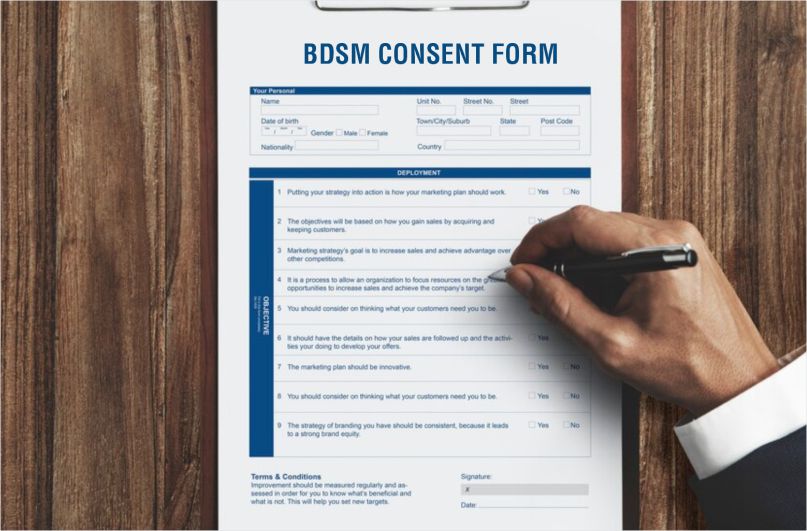
A BDSM consent form is a written agreement that outlines clear boundaries, limits, and expectations between participants in a BDSM dynamic. It ensures all parties explicitly agree to engage in activities consensually, reducing misunderstandings and fostering trust. The form typically includes personal information, emergency contacts, consent acknowledgment, preferred and prohibited activities, safe words, aftercare preferences, and health considerations. It also emphasizes that consent can be revoked at any time, allowing participants to stop play if they feel uncomfortable. By documenting these elements, a BDSM consent form provides a structured framework that promotes safety, respect, and clear communication, supporting a secure and confident exploration of BDSM practices.
The Role and Purpose of Consent in BDSM
Consent is the foundation of any BDSM relationship. It allows you and your partner to set clear boundaries, communicate desires, and build trust for safe, respectful play.
Personal Information and Emergency Contacts
Collecting names, contact details, and emergency contacts ensures both of you can communicate effectively and access support if needed. This clarity protects your well-being and ensures that unexpected situations can be handled quickly and responsibly. Sharing this information also sets a professional tone for safety and mutual care, which helps both partners feel secure before engaging in any activities.
Consent Acknowledgment
Consent acknowledgment confirms that you and your partner willingly agree to participate in specific BDSM activities. This written or verbal agreement clarifies what is acceptable, ensuring that both parties feel heard and respected. Explicitly stating consent allows you to explore your dynamic confidently, knowing that any boundaries set will be honored throughout the scene.
Defining Activities and Limits
Outlining activities, preferences, and limits ensures that play stays within agreed-upon boundaries. You can mark what you are comfortable with, what you are unsure about, and what is off-limits entirely. This prevents misunderstandings, allows for safe experimentation, and ensures that both partners enjoy the experience without fear of crossing personal lines.
Safe Words and Communication
Safe words provide a clear system for stopping or adjusting play instantly if needed. Using signals or words like green, yellow, and red allows you to communicate discomfort or pause the scene safely. Establishing this protocol encourages trust and ensures that both partners feel secure, even during intense or emotionally charged activities.
Aftercare and Emotional Support
Aftercare outlines how each partner wishes to be cared for after a scene. This may include physical comfort, verbal reassurance, or personal space. By planning aftercare in advance, you ensure emotional and physical recovery, strengthening trust and reinforcing the sense of safety in your dynamic.
Health Considerations and Revocation of Consent
Disclosing relevant medical conditions, allergies, or psychological concerns allows for safer play and reduces the risk of harm. Consent must remain revocable, giving you the power to stop activities at any time. This protection ensures that both partners maintain control over their comfort and safety throughout the BDSM experience.
BDSM Contract: Understanding Its Importance
In the realm of BDSM, the significance of having a clear and comprehensive contract cannot be overstated. This document serves as a foundational element that differentiates between a simple consent form and a more detailed BDSM contract. While a consent form typically outlines the basic agreement between partners regarding their participation in BDSM activities, a BDSM contract delves deeper into the specifics of the relationship, establishing a mutual understanding of expectations and boundaries.
A BDSM contract is particularly essential for long-term or ongoing dynamics, as it aids in navigating the complexities that may arise over time. Such contracts help to clearly define roles, responsibilities, and rules within the relationship, ensuring that all parties are aware of their obligations and the limitations set forth. This clarity not only promotes trust but also enhances safety by encouraging open communication regarding desires and concerns.
Key components generally found in BDSM contracts include the designation of roles, which may range from dominant to submissive, along with specific rules governing the dynamics between partners. Additionally, responsibilities—such as aftercare and consent maintenance—are outlined to ensure that both parties are aware of their duties within the relationship. Review schedules are often included to facilitate ongoing communication and reassessment of the contract, allowing for adjustments to be made as the dynamic evolves.
It is crucial to note that while BDSM contracts are designed to provide guidance and clarity, they are not legally binding. They primarily serve to promote safety and understanding among partners, emphasizing the importance of informed consent and mutual respect. By fostering an environment where participants feel secure and acknowledged, a well-crafted contract can significantly enhance the overall experience of engaging in BDSM activities.
BDSM Checklist: A Quick Reference Tool
A BDSM checklist is an essential tool designed to enhance safety, communication, and overall experience for participants involved in bondage, discipline, dominance, submission, sadism, and masochism relationships. This checklist serves as a quick-reference guide, ensuring that both parties have clarity about their boundaries, preferences, and responsibilities before engaging in any BDSM scene. It acts as a foundational document, providing a structured approach to agreement and understanding.
Typically, a BDSM checklist encompasses several important sections. Firstly, it includes personal information, which allows participants to understand each other’s backgrounds and what they seek from their involvement in BDSM practices. This section can cover relevant medical histories, past experiences, and contact details for emergencies.
The next crucial section includes activities, where individuals can outline the specific BDSM activities they are interested in exploring, such as bondage techniques, role-play scenarios, or impact play options. Following this, it is vital to detail personal limits. This includes hard limits, which are non-negotiable boundaries, and soft limits, which may be explored with caution. By clearly defining these limits, the checklist ensures all parties are aware of what is acceptable and safe during their time together.
Moreover, safety protocols are critical to any BDSM engagement. This section allows partners to address necessary safety measures, including the use of safe words, consent signals, and first aid protocols. Aftercare plans are another essential component, where participants pre-agree on post-scene care and emotional support, which can significantly enhance the experience. Finally, the checklist should include preferred communication methods to ensure an open dialogue about expectations and concerns.
The advantages of using a BDSM checklist extend beyond mere structure; they promote clarity and ease of updates. As relationships evolve, so too do desires and boundaries, making it essential to revisit and amend the checklist regularly. By utilizing this tool, practitioners can significantly improve their negotiation process, reaffirm consent, and enrich their BDSM experiences.
Best Practices for Using Forms, Contracts, and Checklists
In the realm of BDSM, the utilization of consent forms, contracts, and checklists is crucial in fostering a safe and respectful environment among participants. To maximize the effectiveness of these documents, it is essential to adhere to best practices that enhance communication and mutual understanding.
First and foremost, maintaining ongoing communication between all parties involved is vital. This means regularly engaging in discussions about boundaries, desires, and any changes in comfort levels. Through honest dialogue, participants can ensure that their needs are met and any concerns can be addressed in a timely manner. This practice not only reinforces trust but also promotes a more fulfilling experience.
Revisiting documents such as consent forms and checklists regularly is another important best practice. As relationships evolve, so too do the preferences and limits of the individuals involved. Scheduling periodic reviews of these documents allows participants to update any relevant information and ensure that everyone remains on the same page. This dynamic approach acknowledges the fluidity of consent and reinforces its significance within the relationships.
Encouraging honesty and transparency cannot be overstated. Participants should feel empowered to express their thoughts and feelings openly, without fear of judgment or repercussion. Establishing an environment where honest communication is celebrated supports the integrity of the BDSM experience and fosters deeper connections.
It is also crucial to emphasize that consent can always be revoked. Participants must remain aware that their comfort and willingness can change at any moment, and clear pathways for withdrawal should be communicated. This principle is essential for sustaining a safe atmosphere throughout the dynamic.
Lastly, integrating paperwork with verbal negotiation and consistent check-ins serves to bolster the structure established by forms and contracts. Regular conversations about experiences and feelings help fortify the intent behind the documentation and ensure that all activities remain consensual and enjoyable. By adhering to these best practices, participants can cultivate a framework that prioritizes safety, respect, and mutual satisfaction.
Common Mistakes to Avoid
Engaging in BDSM practices necessitates an emphasis on communication and consent. However, there are several common pitfalls that individuals should avoid when utilizing BDSM consent forms, contracts, or checklists. One significant error is employing overly rigid consent forms without prior discussion. While these structured documents can provide a useful framework, they can also inadvertently limit open dialogue. It is vital to have an ongoing conversation about boundaries, desires, and limits, ensuring both partners feel heard and respected.
Another mistake involves neglecting to update consent documents as preferences and circumstances evolve. BDSM relationships are dynamic, and what may have been acceptable at one point might change over time. Failing to revisit and revise consent forms leads to the assumption that initial agreements remain valid indefinitely, which can create confusion and discomfort. Regularly checking in on agreements ensures that all parties remain aligned with each other’s current limits and desires.
Equally important is the establishment of clear safe words or signals. A common oversight is either not having them in place or not discussing their significance thoroughly. Safe words are crucial tools that empower participants to communicate their comfort levels effectively during a scene. By failing to implement or clarify these signals, participants may inadvertently jeopardize their safety and wellbeing during BDSM activities.
Furthermore, treating consent forms as a substitute for genuine communication is a significant mistake. While written agreements are beneficial, they do not replace meaningful conversations about consent, trust, and mutual respect. It’s essential to engage in candid discussions regularly, ensuring that all individuals involved understand each other’s needs and boundaries. By recognizing and addressing these common pitfalls, participants can foster healthier and safer BDSM dynamics.
Conclusion
BDSM consent forms, contracts, and checklists give you and your partner a clear structure for safe and respectful play. They define boundaries, preferences, and limits, reducing misunderstandings and building trust. Consent forms outline agreed-upon activities, contracts detail roles and responsibilities, and checklists provide quick references for safe words, aftercare, and personal limits. Using these tools alongside open communication ensures both partners feel secure and heard. Revisiting these agreements allows you to adapt to changing desires and comfort levels, keeping your dynamic balanced and safe. By combining documentation with conversation, you can enjoy BDSM activities with confidence, clarity, and respect, strengthening the connection and trust between you and your partner.
Frequently Asked Questions
What is a BDSM Consent Form?
A BDSM consent form is a written agreement where participants clearly state their limits, preferred activities, safe words, aftercare needs, and emergency contacts to ensure safe, consensual play.
What is a BDSM Contract?
A BDSM contract outlines the roles, responsibilities, and rules within a long-term dynamic, clarifying expectations and boundaries while promoting trust and accountability between partners.
How does a BDSM Checklist work?
A BDSM checklist serves as a quick reference tool, summarizing activities, limits, safe words, and aftercare preferences to make communication clear before engaging in scenes.
Can consent be revoked in BDSM?
Yes, consent can be revoked at any time. Participants can pause or stop a scene, ensuring that all activities remain safe, respectful, and fully consensual.
References
- BDSM Consent Contract | PDF | Dominance And Submission
- Bdsm Negotiation Checklist: Complete with ease

Pyo Merez is a respected author and one of the backbones of our review board. He is an advocate in the BDSM community, known for his insightful writings and dedication to educate and empower individuals about the dynamics of BDSM. His work covers various aspects of BDSM, emphasizing open communication, consent, and healthy boundaries. Through online platforms, workshops, and speaking engagements, Pyo creates a non-judgmental space for individuals to freely express themselves and explore BDSM responsibly. His work has helped many people navigate their journeys and fostered understanding and appreciation for BDSM.