
Last updated on January 7th, 2026 at 11:42 am
Foot fetish sparks curiosity and attraction, drawing attention to toes, arches, and soles, creating unique intimacy, arousal, and playful sexual dynamics.
Foot fetishism or podophilia ranks among the most common expressions of sexual attraction, capturing interest through toes, arches, soles, and overall foot aesthetics.
Attention to feet can involve visual admiration, tactile engagement, or imaginative anticipation, reflecting the psychological, sensory, and emotional layers of desire.
Understanding why feet hold sexual appeal helps contextualize arousal, intimacy, and partner dynamics, highlighting both personal preference and cultural influence.
This article explores how foot-focused attraction manifests in fantasies, solo play, and partnered experiences, offering insight into communication, consent, and safe expression while celebrating diversity in sexual interests.
If you are new to the fetishism discussion, see our in-depth guide to fetishism.
Table of Contents
What is a Foot Fetish / Foot Fetishism?
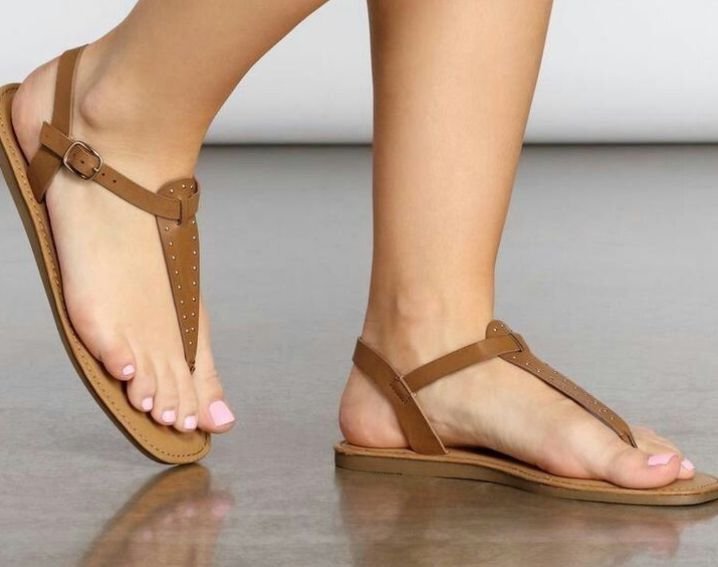
A foot fetish or podophiliais a sexual or psychological attraction focused on feet, including toes, arches, soles, or related accessories. Desire may involve visual admiration, touching, massaging, licking, or interaction with footwear and socks.
This interest can shape fantasies, solo activities, or partnered intimacy, and is a common, normal form of sexual expression when practiced consensually and safely.
History of Podophilia
The history of foot fetishism is a clear one. It has existed in different cultures for centuries, shaping social attitudes, art, and literature.
Its origins reveal how human attraction to feet has influenced behavior and cultural expression.
Early Cultural References
Interest in feet appears throughout ancient civilizations, including Egypt, India, and Greece.
Sculptures, carvings, and texts often highlighted feet as a mark of beauty or status.
In some societies, the foot represented power, sensuality, or elegance, and fascination with it became part of everyday life, leaving traces in art, fashion, and etiquette that show how attraction to feet has deep historical roots.
Religious and Symbolic Influence
Feet carried symbolic weight in religious and spiritual practices, influencing how people viewed desire and submission.
Rituals like foot washing, bowing, or prostration highlighted the significance of feet in devotion and respect, which sometimes overlapped with erotic fascination.
Cultural beliefs in purity, humility, or erotic symbolism around feet helped shape attitudes toward attraction, blending sacred meaning with human curiosity about the foot’s role in physical and sensual expression.
Footwear and Fashion
Footwear shaped attention toward feet, drawing interest through concealment and exposure.
From sandals to ornate shoes, different cultures used fashion to signal elegance, beauty, or erotic appeal.
Accessories like anklets, toe rings, and high heels highlighted the shape and movement of the foot.
Clothing and footwear trends influenced social norms, turning the foot into an object of fascination, shaping behavior, and contributing to attraction patterns that persisted through centuries.
Literature and Art
Feet frequently appear in literature and visual art as symbols of beauty, desire, or vulnerability.
From classical poetry to Renaissance paintings, writers and artists portrayed feet in ways that captured admiration or erotic interest.
Scenes in stories and depictions in art often emphasized the foot’s shape or movement, revealing how human fascination extended into creative expression.
These cultural artifacts provide insight into the ways attraction to feet has been understood and portrayed.
Modern Recognition
In the 19th and 20th centuries, attention to podophilia increased through psychology, cultural commentary, and clinical observation.
Studies examined prevalence, motivations, and social perceptions, showing attraction to feet as a consistent human interest.
Media, literature, and research gradually normalized the discussion of foot-related desire.
Recognition in modern psychology and society highlighted how fascination with feet is both widespread and historically grounded, connecting centuries of cultural and personal curiosity.
Characteristics of Foot Fetishism (Podophilia)
Foot fetishism is recognized by common characteristics, behaviors, and sensory preferences, helping you to understand how desire connects to intimacy, arousal, and sexual expression through the foot.
Here is how this happens:
Visual Admiration
A strong visual focus on feet drives arousal through appearance, shape, arches, toes, or nail polish.
Observing movement, posture, or presentation can intensify desire.
Attention may extend to painted nails, jewelry, or footwear, connecting aesthetic appeal with psychological excitement, and forming the foundation for fantasies or interactive sexual experiences with partners.
Tactile Interaction
Touch forms a key aspect of foot-focused desire, including stroking, massaging, or holding feet.
Texture, warmth, or skin sensitivity can heighten pleasure.
Physical contact often combines intimacy with sensuality, creating emotional connection alongside sexual excitement while respecting consent and partner comfort.
Olfactory and Sensory Preferences
Smell and other sensory input enhance arousal, with natural scents, lotions, or socks playing a role.
Sensory triggers like texture or temperature amplify attention and enjoyment, linking psychological anticipation with physical responses.
Awareness of boundaries and communication ensures safe, pleasurable experiences.
Shoe and Sock Fetishes
Attraction may extend to footwear or hosiery, including high heels, boots, or patterned socks.
Desire can involve observation, handling, or imagining interaction, with association to power, style, or role-play dynamics, adding layers to solo or partnered experiences.
Recommended Posts
How Adipophilia, the Love for Fatness Happens
Transvestic Fetishism: Yes! Cross-Dressing Makes People Horny
List of Common Types of Fetishes
Leather Fetishism: Everything to Know
Why Do People Have Foot Fetishes
Foot fetishism arises from a mix of psychological, neurological, and cultural influences, shaping how attraction and arousal develop.
Examining these factors helps explain why feet can become a consistent source of sexual interest, while promoting understanding and acceptance of diverse desires.
Psychological Influences
Early experiences, emotional associations, or repeated exposure can link feet to pleasure or intimacy.
Admiration, comfort, or even subtle curiosity during formative moments may create lasting patterns of attraction that persist into adulthood.
Neurological Factors
The somatosensory cortex in the brain maps foot sensation near the genitals, sometimes creating overlapping neural pathways.
This neurological proximity may enhance erotic focus, making tactile or visual stimulation of feet arousing.
Cultural and Social Factors
Media, fashion, and social norms can shape the perception of feet as aesthetically appealing or sexually charged.
Shoes, socks, or cultural emphasis on beauty can reinforce attraction and integrate foot-focused desire into sexual expression.
Emotional and Sensory Connections
Sexual desire for the foot often combines visual, tactile, and olfactory stimulation.
Smell, texture, and touch evoke emotional response, heightening arousal while connecting sensory pleasure to intimacy, trust, and playful interaction.
Individual Variation
Not all individuals develop this fetishism, reflecting personal history, neural wiring, and preference patterns.
Awareness of these factors encourages curiosity, reduces stigma, and supports consensual expression of sexual interests.
Types of Foot Fetish
Podophilia varies widely, reflecting the different ways feet can inspire attraction, arousal, or fascination.
Understanding the categories helps recognize patterns of desire and communicate preferences safely and confidently.
Toes: Shape, Length, and Movement
Toes often become the focus of attraction, with attention on shape, length, flexibility, or movement.
Admiration can involve touching, massaging, or watching toes in motion.
Visual cues, texture, and playful interaction can heighten arousal, making toes a central element in both solo fantasy and partnered experiences while maintaining consent and respect.
Soles and Arches
The sole and arch of the foot are common focal points due to their visual and tactile appeal.
Smoothness, curve, and pressure points can stimulate excitement.
Interaction may include caressing, licking, or pressing against surfaces, enhancing sensory experience.
Emotional connection, trust, and clear communication ensure activities remain safe and mutually satisfying.
Feet in Motion: Walking, Dancing, or Barefoot
Dynamic feet can trigger fascination, with walking, dancing, or barefoot exposure creating visual and psychological stimulation.
Movement highlights structure, grace, or strength, generating arousal.
Observation may be paired with tactile engagement, fantasies, or role-play.
Awareness of boundaries, discussion of comfort, and consent keep experiences enjoyable and secure for all involved.
Feet with Accessories: Shoes, Socks, and Jewelry
Foot-related accessories often enhance attraction. High heels, stockings, anklets, or toe rings can draw visual attention, create fantasy scenarios, or trigger tactile curiosity.
Engagement may involve wearing, touching, or admiring these items.
Negotiation and mutual agreement with a partner promote safety, respect, and playful exploration, enhancing pleasure and intimacy.
Psychological and Neurological Perspectives
Sexual desire for the feet is shaped by a combination of psychological influences and brain wiring, linking desire, sensation, and arousal.
Understanding how the mind and body interact clarifies why certain feet-focused interests develop in some people while remaining absent in others.
Freudian and Psychoanalytic Theories
Early psychoanalytic ideas suggest that sexual fixation may arise from childhood experiences or symbolic associations.
Feet may represent submission, power, or nurturing. Emotional memories and unconscious connections can link foot-related stimuli to desire, reinforcing attention toward visual, tactile, or symbolic cues.
This perspective emphasizes how mental associations shape sexual focus.
Imprinting and Conditioning
Foot attraction can develop through imprinting, learned associations, or repeated exposure.
Positive experiences, media influence, or sensory reinforcement strengthen neural pathways.
Conditioning can link arousal with specific textures, appearances, or scenarios, making feet a consistent focus of sexual interest.
Behavioral reinforcement highlights the mind-body connection in sexual expression.
Neurological and Brain Factors
Brain mapping studies reveal that the feet and genital areas share neighboring regions in the somatosensory cortex.
This proximity may create cross-activation, making tactile, visual, or imagined stimuli sexually exciting.
Neural responsiveness, reward circuits, and dopamine pathways contribute to heightened attention and arousal patterns specific to foot-focused interests.
Individual Differences
Not everyone develops a foot fetish due to genetic, hormonal, psychological, and experiential variation.
Early experiences, personal preferences, sensory sensitivity, and emotional associations all shape sexual focus.
Recognition of these differences underscores how sexual desire is complex, diverse, and individualized, making acceptance and communication key in understanding foot-related attraction.
How to Practise Foot Fetishes
Practicing foot fetishes can deepen intimacy, increase pleasure, and make sexual expression more fulfilling.
Safe techniques, consent, and communication help integrate these interests responsibly into solo or partnered experiences.
Observing and Appreciating
Focusing on visual appeal, shape, and movement enhances attraction.
Admiring feet during casual moments, massage, or touch encourages mindfulness, strengthens arousal, and develops comfort with personal or partner preferences while maintaining respect and mutual enjoyment.
Touch and Massage
Gentle stroking, rubbing, or massage stimulates sensation and emotional connection.
Attention to texture, pressure, and comfort allows shared enjoyment, creating a relaxing, playful, and intimate environment while emphasizing consent and clear boundaries.
Incorporating Footwear and Accessories
High heels, socks, stockings, or shoes can be integrated to intensify attraction.
Attention to materials, fit, and visual cues adds sensory stimulation, while partner consent ensures comfort, safety, and pleasurable interaction.
Conclusion
Foot fetishism, also known as podophilia reveal how attraction can focus on toes, arches, soles, and accessories, combining visual, tactile, and emotional stimulation.
Recognizing these interests encourages curiosity, reduces stigma, and promotes safe, consensual exploration.
Foot-focused desire can enhance intimacy, playful dynamics, and sexual satisfaction when communicated openly with partners.
Understanding preferences allows respectful negotiation, mindful engagement, and shared enjoyment.
Cultural, neurological, and psychological factors influence why some develop foot fetishes while others do not, highlighting the diversity of sexual expression.
Incorporating these interests responsibly deepens connection and pleasure, whether in solo fantasy or partnered experiences.
Awareness, consent, and discussion remain central, ensuring experiences remain safe, enjoyable, and fulfilling while embracing sexual diversity and curiosity.
Frequently Asked Questions
What is a Foot Fetish?
A foot fetish is a sexual attraction focused on feet, including toes, arches, soles, or accessories. Desire often involves admiration, touching, massaging, or interacting with footwear or socks.
How common are foot fetishes?
Foot fetishism is among the most frequently reported sexual interests worldwide, spanning genders and sexual orientations, with intensity and expression varying greatly across individuals.
How can foot fetishes be safely practiced?
Safe practice involves clear communication, consent, hygiene, and respect for boundaries. Activities may include observation, touch, massage, or incorporating footwear and accessories responsibly with partners.
Can foot fetishes affect relationships?
Foot fetishes can enhance intimacy, playfulness, and sexual satisfaction when communicated openly. Mutual consent, negotiation, and trust ensure boundaries are respected, and experiences remain enjoyable for all partners.
References

Pyo Merez is a respected author and one of the backbones of our review board. He is an advocate in the BDSM community, known for his insightful writings and dedication to educate and empower individuals about the dynamics of BDSM. His work covers various aspects of BDSM, emphasizing open communication, consent, and healthy boundaries. Through online platforms, workshops, and speaking engagements, Pyo creates a non-judgmental space for individuals to freely express themselves and explore BDSM responsibly. His work has helped many people navigate their journeys and fostered understanding and appreciation for BDSM.