Last updated on October 21st, 2026 at 09:00 pm
You catch yourself noticing someone’s hands before their face, or lingering on a partner’s neck longer than anything else. That small, persistent pull toward one body part has a name, and you share it with a surprising number of people.
Body part fetishism, known clinically as partialism, describes strong sexual interest in one specific area of the body rather than the whole person.
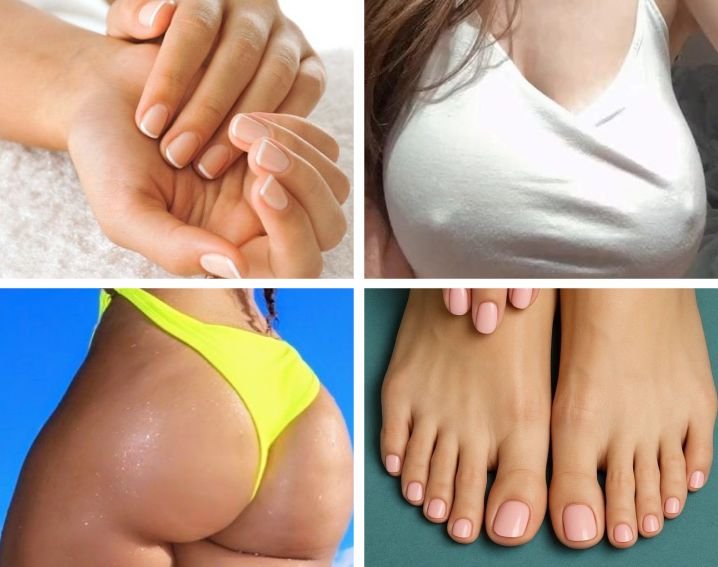
This hub brings together everything the site covers on the subject, including feet, hair, body size, breasts, hands, legs, and less familiar zones such as armpits or navels.
You will find prevalence data from general population surveys, the leading theories about why particular parts become erotic, and the point where clinicians become concerned.
Practical sections cover telling a partner and keeping body-centered play safe, and each type links onward to a deeper article wherever one already exists.
Table of Contents
What Is Body Part Fetishism?
Body part fetishism, or partialism, is sexual arousal that centers on a specific non-genital part of the body, such as feet, hair, hands, or armpits.
The part itself becomes a primary erotic draw, sometimes outweighing interest in the rest of a partner’s body.
Partialism Versus Ordinary Attraction
Almost everyone has favorite physical features, so noticing a partner’s eyes or legs hardly counts as a fetish.
Partialism differs in intensity and centrality, because the body part becomes necessary or strongly preferred for arousal rather than one pleasant detail.
Many people sit on a spectrum between mild preference and strong fixation, and their position can change across life.
How Common Are Body Part Fetishes?
Fetish interests turn up far more frequently in the general population than stereotypes suggest.
A 2017 Journal of Sex Research survey of 1,040 Quebec adults, available as a full-text PDF, found that 44.5% wanted to try fetishistic activity at least once.
- Experience: 26.3% of respondents had actually engaged in fetishism, including 30.1% of men and 23.2% of women.
- Desire by gender: Women reported slightly more fetish desire than men, at 47.9% versus 40.4%.
- Wider picture: Nearly half the sample, 45.6%, wanted to try at least one activity classed as paraphilic.
The survey grouped object and body part fetishes together, so it cannot say how many people prefer a specific body part.
Forum-based research points to feet as the most frequently reported body target, as the podophilia article on this site details.
Why Particular Body Parts Become Erotic
Researchers have offered several explanations, and most remain informed hypotheses rather than proven causes.
- Conditioning: Arousal that repeatedly coincides with seeing or touching a body part can strengthen that association over years.
- Evolutionary cues: Some features may signal health, fertility, or strength, making them naturally eye-catching to potential mates.
- Symbolism: Body parts can stand for power, innocence, femininity, masculinity, or forbiddenness, depending on culture.
- Brain wiring: Theories about overlapping touch maps in the brain remain popular, though newer evidence has challenged them.
Evolutionary studies offer some of the most concrete data available on specific body parts.
A 2015 Evolution and Human Behavior study, described by UT Austin News, found men preferred a lower-back curve near 45 degrees regardless of buttock size.
The authors suggested this angle once helped pregnant women balance their weight over their hips.
Hands appear to carry similar signals about masculinity, femininity, and overall health.
A University of New Mexico thesis rated hands and forearms from 62 men and 68 women, according to its repository record.
Raters found masculine hands most attractive in men and feminine hands most attractive in women.
Such findings explain broad preferences, yet they cannot fully explain why one person develops an intense fetish while another does not.
Types of Body Part Fetishes
Nearly any body part can become erotic, yet a handful appear again and again in research and community discussion.
Feet and Toes (Podophilia)
Feet rank as the most frequently reported body part fetish, with interest spanning arches, toes, scent, footwear, and worship within power exchange.
Hygiene, trampling risks, and partner conversations get full treatment in a deep dive on podophilia and safe foot play.
Hair (Trichophilia)
Hair attracts admirers through its length, color, texture, and scent, plus activities such as brushing, braiding, cutting, and pulling.
Pulling technique, traction alopecia risks, the difference from trichotillomania, and consent around haircuts all appear in the trichophilia breakdown.
Body Size (Adipophilia)
Some people find larger bodies, softness, and fullness central to arousal, sometimes alongside feeding or weight-gain fantasies known as feederism.
Research on fat admirers, health questions around gaining, and respect versus objectification are covered in this look at fat admiration and feederism.
Breasts and Nipples (Mazophilia)
Breast attraction is common enough that many people never think of it as a fetish, though intense, specific interest qualifies.
Couples combining breast interest with BDSM can read about clamps, suction, and nipple sensitivity and binding and wrapping the chest.
Hands and Fingers
Hand admirers notice finger length, nail contours, veins, rings, and how hands move during everyday tasks like cooking or playing music.
Interest can be visual or tactile, and hand massage offers a gentle, low-risk way for couples to share this attraction.
Legs and Thighs
Leg admirers respond to contour, length, muscle tone, or skin texture, and many combine this with stockings, heels, or athletic wear.
This interest overlaps heavily with clothing fetishes, since hosiery and footwear dramatically change how legs look and feel.
Buttocks
Attraction to the buttocks ranges from admiring curves to enjoying touch, squeezing, and consensual spanking as part of sensation play.
Those drawn to impact can learn proper technique and safe zones through a practical spanking primer before trying anything forceful.
Armpits (Maschalagnia)
Armpit admirers may enjoy the look, texture, or natural scent of underarms, sometimes preferring hair left unshaven. Scent plays a big role, so couples benefit from settling questions early about washing, deodorant, and shaving preferences to avoid awkward surprises.
Navel and Belly
Interest in the navel or stomach can be visual, centered on outline or piercings, or tactile, involving stroking, kissing, or gentle pressure.
Belly attraction sometimes overlaps with size interests, though plenty of admirers prefer flat or muscular stomachs instead.
Neck, Lips, Ears, and Eyes
Face and neck interests include kissing or biting the neck, admiring full lips, nibbling earlobes, or feeling captivated by particular eye colors.
Biting deserves care, since strong bites bruise easily, and pressure on the front of the neck is never safe.
Where Partialism Becomes a Clinical Concern
Earlier diagnostic manuals listed partialism separately, but the DSM-5 folded it into fetishistic disorder.
Psychology Today’s condition overview notes a diagnosis requires six months of intense interest causing marked distress or impaired functioning.
The same overview says fetishistic disorder appears rare, with fewer than 1% of people in psychiatric care for it.
For the full clinical and historical context, see fetishism as a whole, which also explains attractions to objects and materials.
Sharing a Body Part Fetish With a Partner
Disclosure feels risky, yet most partners respond better when the interest arrives as an invitation rather than a confession.
- Start with something easy: Offer a massage, compliment, or gentle touch involving the body part before naming the fetish.
- Explain what it means: Make clear the attraction adds to your desire for your partner rather than replacing it.
- Ask about comfort: Some people feel self-conscious about specific body parts, so ask how they feel about attention there.
- Agree on limits: Record activities as yes, no, or maybe, and revisit the list whenever feelings change.
Safety Basics for Body-Centered Play
Most body part play carries low physical risk, but a few habits prevent avoidable problems.
- Keep skin clean: Wash before mouth contact, and pause play when either partner has cuts, rashes, or infections.
- Keep nails tidy: Short, smooth nails prevent scratches during massage, stroking, or squeezing.
- Respect sensitive areas: Avoid pressure on the throat, spine, and joints, and stop if numbness or pain appears.
- Protect privacy: Never share photos of a partner’s body without explicit, ongoing permission.
For the principles of consent and negotiation behind every kind of kink, browse the site’s core BDSM overview.
Conclusion
Body part fetishism covers a wide range of attractions, including feet, hair, hands, curves, and many less obvious places.
Survey data suggest fetish interest of some kind touches nearly half of adults, while a clinical disorder remains rare.
Research on spinal curves and hand proportions hints at evolutionary roots, though no single theory explains every fetish, and healthy partialism rests on honesty and willing participation.
Pick the body part that draws you most, reread the matching section above, and share one new thing you learned with your partner this week.
Frequently Asked Questions
What is the most common body part fetish?
Feet appear to be the most common, ranking first in forum-based fetish research. Hair, legs, buttocks, and breasts also appear frequently, though precise population figures remain scarce worldwide.
Is partialism the same as a regular fetish?
Partialism is one kind of fetishism, centered on nongenital body parts rather than objects or materials, and modern psychiatry groups both under fetishistic disorder only when genuinely distressing.
Can someone have more than one body part fetish?
Yes, many people feel drawn to several body parts, such as feet and legs together, or hair and necks, and interests can strengthen, fade, or change across adulthood.
Should I tell a new partner about my body part fetish?
Many people wait until trust develops, then share gradually through compliments or touch. Honest disclosure before involving a partner in fetish play matters far more than perfect timing.
Disclaimer: This article is for educational and informational purposes only and does not constitute medical, psychological, or therapeutic advice. All content assumes and is intended for consenting adults (18+). This site does not endorse or provide instruction for any non-consensual activity, or any content involving minors. If you are exploring kink, BDSM, or fetish practices, consult reputable educational resources and, where relevant, a licensed sex therapist or medical professional. If you are in crisis or experiencing abuse, contact appropriate local support services immediately.
Morgan Ellis is the author and researcher behind Kink: BDSM and Fetish Chronicles. With years of study into the psychology, research, and lived experience of alternative sexuality, Morgan writes about kink, BDSM, and fetish from an educational, judgment-free perspective — grounded in consent, communication, and safety. Every article on this site reflects a commitment to honest, responsible information for curious and experienced adults alike.