

Leather Fetishism ignites desire through texture, scent, and sight, turning jackets, boots, and garments into powerful triggers of arousal.
Leather has long held a place in culture, fashion, and subcultures, symbolizing strength, rebellion, and sensuality.
Its smooth texture, distinct scent, and visual appeal draw attention in ways that can be both aesthetic and intimate.
In sexual contexts, leather fetishism, like rubber and latex, captures curiosity and desire, linking arousal to touch, sight, and imagination.
The material carries meaning beyond utility, representing confidence, power, or mystery, which adds to its allure.
Leather garments, accessories, and gear create sensory experiences that engage the body and mind, offering a distinct rhythm to attraction.
Its role in style, fantasy, and personal expression highlights why interest in leather continues across communities and sexual diversity, blending sensation, symbolism, and erotic focus naturally.
If you are new to the fetishism discussion, start from the beginning with the introduction guide to fetishism.
Table of Contents
What is Leather Fetishism?
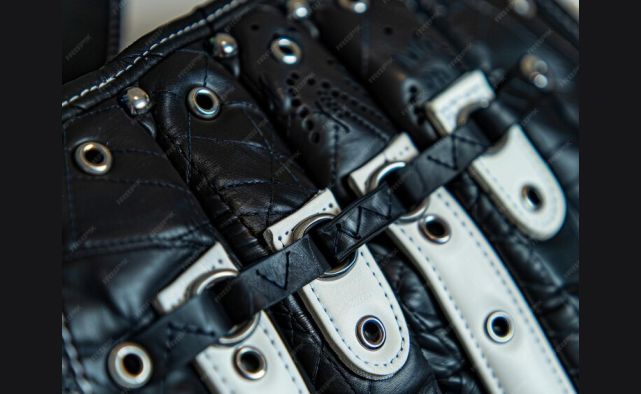
Leather fetishism, or leather fetish, is a type of object fetishism, a sexual or erotic attraction to leather materials, garments, or accessories. Desire can stem from texture, scent, appearance, or symbolic meaning, linking arousal to touch, sight, and imagination.
Leather often represents power, confidence, or dominance, making it both a sensory and psychological trigger.
This interest exists across consensual sexual expression without harm when practiced safely and respectfully.
Distinguishing Leather Fetishism from General Fashion Preference
Leather draws attention in many ways, from style to texture, but leather fetishism creates a deeper sexual or emotional focus.
Attraction moves beyond admiration, linking desire to touch, scent, and symbolic meaning.
Recognizing the difference clarifies personal arousal, fantasy, and sexual expression.
Sensory Focus and Arousal
Leather fetishism centers on how the material feels, smells, and looks during intimate or private moments.
Smooth, polished, or worn textures can trigger excitement or fantasy.
Desire is tied to sensory experience rather than clothing aesthetics alone, creating arousal that persists even without social or stylistic context.
Symbolism and Psychological Association
Leather often conveys power, dominance, mystery, or control. For those with a fetish, these meanings enhance sexual response.
The material becomes a mental and emotional anchor, linking fantasy and identity, unlike general fashion, which may inspire admiration without arousal or personal attachment.
Integration Into Fantasy and Routine
Fetish interest turns garments or accessories into consistent triggers for sexual thought or ritual.
Wearing, handling, or imagining leather can form part of private routines or partnered play, while fashion preference remains flexible and aesthetic, without triggering focused sexual response.
Related Posts
How Parts of the Body Inspire Sexual Desire
Sexual Attraction to Fatness: How it Happens
How Cress-Dressing Makes People Horny
History and Cultural Context in Leather Fetishism
Leather fetishism has roots in fashion, subcultures, and sexual communities, shaping style, identity, and desire.
Its presence connects culture, ritual, and erotic interest, influencing how attraction and fantasy develop around the material.
Leather in Fashion, Subcultures, and Sexual Communities
Leather garments and accessories have long appeared in fashion statements and alternative subcultures.
Jackets, pants, and boots signal confidence or rebellion, while communities such as bikers or goths embrace leather for identity and belonging.
In sexual contexts, a leather fetish adds another layer, linking style with arousal, personal expression, and attraction to texture, scent, and touch.
Leather in BDSM and Kink Culture
Leather plays a central role in BDSM and kink practices.
Its feel, smell, and appearance connect to control, discipline, and ritual.
Vests, gloves, harnesses, and other gear serve both practical and symbolic purposes, enhancing anticipation, signaling roles, and embedding arousal into structured interactions or private fantasies.
Leather as a Symbol of Dominance, Rebellion, and Eroticism
Beyond practical use, leather represents authority, defiance, and sensuality.
Leather fetish amplifies erotic tension, turning the material into a psychological and physical trigger.
Wearing or handling leather can evoke power dynamics, mystery, or submission, making it central to fantasy, attraction, and intimate expression.
Psychological and Sensory Appeal: Why Leather Makes You Horny
Leather fetishism engages both mind and body, combining tactile, olfactory, and emotional triggers.
Desire grows when sensation, scent, and meaning come together, shaping arousal, fantasy, and intimate focus.
Tactile Stimulation: Texture, Warmth, and Tightness
The feel of leather against skin can spark excitement and anticipation.
Smooth, supple surfaces, warmth from fitted garments, or the gentle resistance of tight leather create direct physical arousal.
Repeated contact links sensation with sexual response, making touch a reliable trigger in private routines or partnered encounters.
Olfactory Influence: Scent of Leather and Its Erotic Association
Leather carries a distinctive scent that can intensify desire.
Smell connects to memory, fantasy, and emotional response, turning simple exposure into erotic stimulation.
In leather fetishism, the aroma becomes part of the experience, reinforcing attraction and enhancing mental and bodily anticipation.
Emotional and Psychological Factors: Power, Control, and Fantasy
Leather evokes authority, dominance, submission, and rebellion, giving material symbolic weight.
Handling, wearing, or imagining leather can activate fantasy, create erotic tension, and strengthen emotional arousal.
Psychological associations with control or identity amplify sexual response, making leather a powerful focus for desire beyond physical sensation alone.
Common Leather Items and Their Fetish Appeal
Leather fetishism often centers on specific garments, accessories, and gear.
Each item carries its own sensory, visual, and symbolic triggers, shaping desire, fantasy, and intimate engagement.
Clothing: Jackets, Pants, Corsets, Bodysuits
Leather clothing creates both tactile and visual stimulation.
Jackets, pants, corsets, and bodysuits offer tightness, warmth, and texture that can heighten arousal.
Fit, shine, and movement enhance fantasy, turning ordinary apparel into objects that provoke anticipation and reinforce sexual focus.
Accessories: Gloves, Boots, Harnesses, Belts
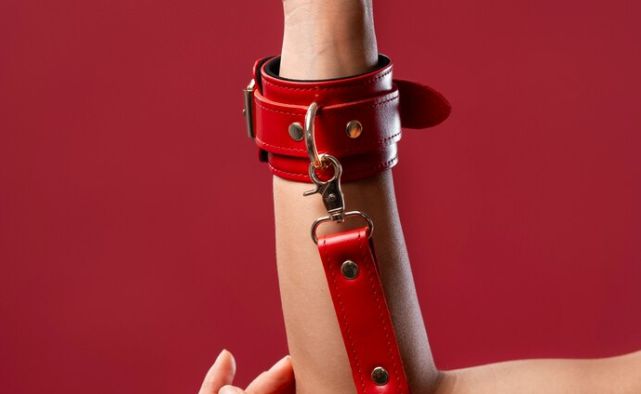
Leather accessories provide both physical and symbolic appeal.
Gloves, boots, harnesses, and belts can convey power, control, or submission while stimulating touch and sight.
These items integrate seamlessly into fantasy or role-play, offering repeated triggers for arousal without needing full outfits.
Specialized Items: Restraints, Masks, Collars
Leather restraints, masks, and collars are tied directly to erotic ritual and kink.
They add sensation, structure, and psychological focus, enhancing control and submission dynamics.
Their presence intensifies sexual tension and allows fantasy to translate into safe, consensual practice.
Role of Customization and Craftsmanship in Arousal
Handcrafted or customized leather increases fetish appeal through attention to detail, texture, and fit.
Personalized items feel more intimate and significant, strengthening desire.
Craftsmanship can heighten visual and tactile pleasure, making each piece a deliberate tool for arousal and erotic expression.
Leather Fetish in Relationships and Play
In relationships, the arousal by leather materials can add excitement and depth to sexual dynamics.
Its integration into intimate play relies on communication, consent, and attention to safety, creating satisfying experiences for both partners.
Integrating Leather Into Sexual Dynamics and Roleplay
Leather items enhance erotic scenarios, fantasies, and roleplay by providing tactile stimulation, visual focus, and symbolic meaning.
Jackets, gloves, harnesses, or corsets can define roles, emphasize dominance or submission, and create structured rituals that heighten anticipation, making shared experiences more engaging and immersive.
Communication, Consent, and Negotiation of Limits
Clear discussion of interests, boundaries, and comfort levels ensures that leather play stays safe and consensual.
Partners benefit from openly sharing preferences, negotiating limits, and agreeing on activities, which builds trust, prevents misunderstandings, and strengthens intimacy while respecting leather-focused arousal.
Safety Considerations: Materials, Hygiene, and Shared Use
Leather requires care to remain safe during use. Cleaning, inspecting for wear, and proper storage prevent irritation or injury.
When items are shared, explicit consent, hygiene practices, and awareness of allergens or sensitivities maintain comfort, ensuring leather play remains healthy, enjoyable, and consensual.
The Role of Leather Fetish in Power Dynamics
In BDSM, leather plays a crucial role in shaping the power dynamics between you and your partner.
It’s not just a fabric choice; it’s a tool that reinforces the relationship’s dominance and submission elements.
Leather as a Symbol of Role Play
When you wear leather, it’s more than just the look; it signals a shift in identity.
For the dominant partner, leather gear boosts confidence and emphasizes control. It’s a visual marker of authority.
On the other hand, for a submissive, being dressed in leather often signifies giving up power, aligning with the role of surrender.
This change in identity heightens the psychological experience of BDSM, where the material takes on deeper significance beyond just its texture.
Sensory Stimulation and Focus
Leather’s texture, weight, and scent enhance your sensory experience during BDSM play.
The feel of leather against your skin can increase arousal and focus, making the power exchange more intense.
This tactile stimulation plays into the experience, drawing you deeper into the dynamic and adding layers to the connection you share with your partner.
Leather as a Boundary Setter
Leather also helps set clear boundaries and agreements within BDSM. When you incorporate it into your scenes, it’s often a sign of mutual understanding.
Both of you know the roles you’re stepping into, and the act of wearing leather establishes the safety and trust that’s vital in these types of relationships. It helps clarify the roles, ensuring both partners can explore freely within agreed-upon limits.
Expression and Empowerment
Leather is not just a fetish; it’s a medium for self-expression and empowerment in BDSM.
Through the act of wearing or using leather items, you can express your desires, explore your roles, and delve deeper into the emotional and psychological aspects of power play.
It transforms an experience into something much more than just physical—it becomes an emotional and psychological journey.
Leather Fetish in the Modern BDSM Community
Leather fetishism has a strong presence in today’s BDSM community, continuously evolving alongside other practices.
In the modern scene, leather is no longer just about appearance; it represents deeper themes of power exchange, identity, and belonging.
Over time, leather has merged with various BDSM practices, creating a rich and diverse experience for everyone involved.
Leather as a Symbol of Power Exchange
As has been mentioned throughout this article, leather is now a key symbol in expressing dominance and submission. Its texture, scent, and visual appeal create a sensory experience that connects deeply with many in the BDSM world.
Whether it’s used during rope play, impact play, or other forms of BDSM, leather enhances the tactile and psychological aspects of the experience.
This powerful connection supports themes of bondage, discipline, sadism, and masochism, making leather a central element in many BDSM scenes.
Leather Gear and Fashion in BDSM
The leather fetish has expanded into a wide variety of items, from simple cuffs to complex harnesses.
These accessories and garments cater to different preferences and identities, influencing modern BDSM fashion.
Wearing leather helps participants express their kinks and intensify their experiences.
It’s a form of personal expression that brings the community closer, allowing individuals to share values and experiences.
Leather-Themed Events and Community
Leather-themed events, like leather pride festivals, offer a space for like-minded people to connect and celebrate their passion for leather and BDSM.
These gatherings are vital in creating inclusivity and strengthening the sense of solidarity within the BDSM community.
As the culture grows, leather continues to serve as a powerful symbol of empowerment, creativity, and connection.
Myths and Misconceptions
Leather fetishism is often misunderstood, leading to false assumptions about personality, morality, or lifestyle.
Clarifying misconceptions helps normalize interest and separates desire from judgment, stereotype, or overgeneralization.
Debunking Assumptions About Leather Fetishists
Leather fetishists are not defined by aggression, deviance, or extreme behavior.
Attraction to leather reflects sensory, symbolic, and emotional appeal rather than character flaws.
Interest may exist privately or socially without influencing daily life, relationships, or moral choices.
Leather Fetishism vs General BDSM or Kink Interest
Not all who wear or use leather participate in BDSM or kink activities.
Leather fetish focuses on material, scent, or symbolism, while BDSM incorporates structured power exchange, discipline, or roleplay.
Overlap exists but one does not automatically imply the other.
Separating Fantasy From Lifestyle Identity
Fantasies involving leather do not require adopting a lifestyle or identity.
Leather play can remain situational, ritualistic, or imaginative, serving as a trigger for arousal without dictating personality, social affiliation, or long-term behavior outside the sexual context.
Emotional and Psychological Benefits
Leather fetishism can provide more than physical arousal.
Attraction to leather often supports confidence, emotional expression, and a sense of belonging, enhancing both personal and shared experiences.
Confidence, Empowerment, and Identity Expression
Wearing or handling leather can boost confidence and assertiveness.
The material signals strength, control, or authority, allowing fantasy and desire to intersect with personal identity.
Leather becomes a tool for expressing erotic preference, reinforcing self-assurance, and shaping the way power or sensuality is experienced privately or with a partner.
Stress Relief and Safe Exploration of Desires
Leather play offers a controlled environment to explore fantasies, arousal, and erotic focus.
Handling, wearing, or imagining leather can calm the mind while channeling sexual energy safely.
This combination of sensation and imagination creates a private space for stress relief and personal sexual expression.
Community and Subcultural Belonging
Leather is central to many subcultures and kink communities, creating shared norms and identity.
Participation fosters connection, trust, and acceptance among peers who understand or share similar interests.
Community involvement can validate desire, reduce stigma, and enhance both social and sexual confidence.
Challenges and Considerations
Leather fetishism brings enjoyment but also practical and social challenges.
Awareness of limits, care, and perception helps maintain healthy engagement with desire and prevents stress or conflict.
Social Stigma and Secrecy
A leather-focused attraction can provoke judgment or misunderstanding.
Fear of criticism may lead to hiding interests or avoiding discussion with partners.
Openness with trusted people or supportive communities reduces shame and allows sexual expression to remain safe, private, and consensual without social pressure.
Practical Challenges: Cost, Maintenance, Sourcing
High-quality leather can be expensive, and care requires cleaning, conditioning, and proper storage.
Finding garments, accessories, or specialized gear may take effort, and repeated use demands attention to durability.
These factors affect accessibility and convenience for personal or partnered play.
When Fetish Use May Interfere With Daily Life
Dependence on leather for arousal can become restrictive if it impacts relationships, spontaneity, or daily routines.
Awareness of reliance, flexibility in sexual activity, and balancing fetish interest with other forms of intimacy help prevent interference with lifestyle, work, or social obligations.
Conclusion
Leather fetishism highlights how material, sensation, and symbolism combine to shape desire, fantasy, and intimacy.
Attraction to leather involves texture, scent, visual appeal, and emotional meaning, creating arousal that engages both mind and body.
Leather garments, accessories, and specialized gear can enhance confidence, erotic expression, and shared play, while providing stress relief and personal fulfillment.
Integration into sexual dynamics depends on communication, consent, and safety, ensuring experiences remain enjoyable and respectful.
Participation in subcultures or communities can validate interest, reduce stigma, and foster belonging.
Awareness of practical challenges, boundaries, and personal limits keeps fetish engagement healthy, allowing leather-focused desire to coexist with daily life, relationships, and diverse expressions of sexuality.
Frequently Asked Questions
What Is Leather Fetishism?
Leather fetishism is a sexual or erotic attraction to leather materials, garments, or accessories. Desire stems from texture, scent, appearance, or symbolic meaning, linking arousal to touch, sight, and imagination.
How Does Leather Fetish Differ From Fashion Preference?
Leather fetish focuses on sexual and emotional response, while fashion preference centers on style or aesthetics. Fetish arousal persists regardless of social context, whereas style appreciation does not trigger sexual excitement.
Can Leather Fetish Be Part of Healthy Relationships?
Yes, when communicated openly and practiced consensually. Clear boundaries, shared understanding, and safety measures allow leather play to enhance intimacy and erotic expression without stress or conflict.
When Should Someone Seek Guidance for Leather Fetishism?
Professional help is recommended if reliance on leather for arousal causes distress, interferes with intimacy, or disrupts daily life. Therapy supports safe, balanced sexual expression and personal well-being.
References

Pyo Merez is a respected author and one of the backbones of our review board. He is an advocate in the BDSM community, known for his insightful writings and dedication to educate and empower individuals about the dynamics of BDSM. His work covers various aspects of BDSM, emphasizing open communication, consent, and healthy boundaries. Through online platforms, workshops, and speaking engagements, Pyo creates a non-judgmental space for individuals to freely express themselves and explore BDSM responsibly. His work has helped many people navigate their journeys and fostered understanding and appreciation for BDSM.