
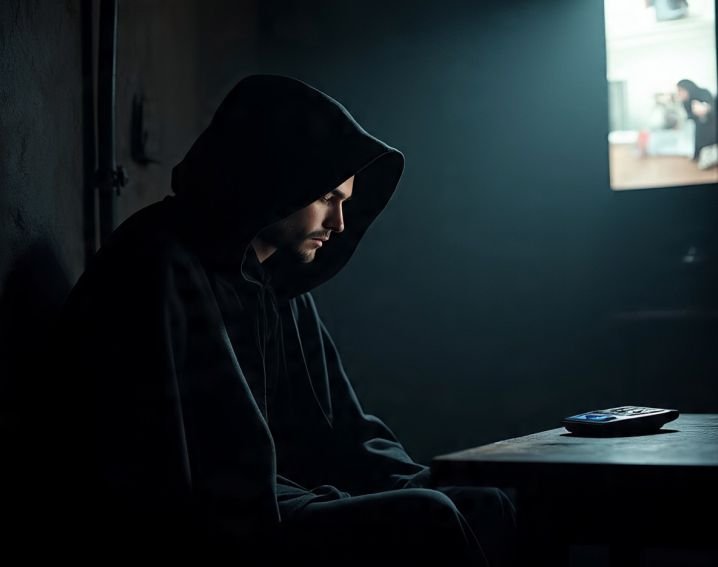
Voyeurism crime and charges reveal how private acts, hidden cameras, and consent violations carry serious legal consequences across jurisdictions.
Private moments no longer feel fully private when your eyes, lenses, or screens intrude without warning.
Voyeurism crime now sits at the center of legal debates, digital privacy concerns, and sexual offense laws, holding you accountable for unlawful observation.
Personal space, consent, and boundaries collide when you use hidden cameras, smartphones, or online platforms to expose intimate acts without permission.
Emotional distress, loss of safety, and long-term trauma follow these violations, while voyeurism charges can result in criminal records, court appearances, and sentencing.
Court cases, voyeurism laws, and surveillance regulations continue to expand as society responds to the misuse of technology, emphasizing your responsibility to respect privacy.
Public awareness grows around consent violations, unlawful observation, and privacy invasion, reminding you of the seriousness of these actions.
Conversations about accountability, victim protection, and legal consequences push this issue into public focus, shaping how you must act to defend privacy rights in modern life.
Recommended: Sexual Fetishism: Types, Myths and Considerations
Table of Contents
What is Voyeurism Crime?
Voyeurism crime is the act of secretly observing, recording, or photographing a person during private activities without consent. It includes hidden cameras, spying, and unlawful surveillance in spaces where privacy is expected.
This offense violates personal boundaries, causes emotional harm, and carries legal penalties, including fines, criminal charges, and possible imprisonment, depending on the jurisdiction.
What Are Voyeurism Charges?
Voyeurism charges are legal penalties filed against a person accused of secretly watching, recording, or photographing others during private moments without consent.
Voyeurism charges may include fines, court supervision, sex offense registration, restraining orders, and imprisonment, depending on the severity, intent, location, and laws of the jurisdiction involved.
Why Voyeurism Crosses Into Criminal Behavior
Private moments rely on trust, consent, and clear boundaries. When you watch or record someone in secret, that trust breaks immediately.
Voyeurism shifts from private curiosity to a crime once personal privacy, safety, and legal rights are ignored, exposing you to serious consequences.
Lack of Consent Turns Curiosity Into a Crime
Consent separates lawful observation from illegal behavior.
When you watch or record intimate acts without permission, personal autonomy is taken away.
Voyeurism becomes a crime the moment consent is absent, regardless of your intent.
Hidden cameras, secret filming, or spying in private spaces violate privacy laws, sexual offense statutes, and basic human boundaries, leaving lasting emotional harm.
Invasion of Privacy Creates Real Harm
Private spaces exist for safety and dignity. Your actions in bathrooms, bedrooms, changing rooms, or online private settings can invade these spaces.
This invasion causes fear, shame, and loss of control. Voyeurism charges reflect the seriousness of these harms, as victims often face anxiety, trauma, and trust issues long after the act occurs.
Use of Technology Increases Legal Consequences
Smartphones, surveillance tools, and online sharing platforms amplify voyeurism.
Recording devices make private moments permanent and widely accessible.
Laws respond strongly when you store, upload, or distribute private content without consent.
Voyeurism charges grow harsher with digital evidence, online sharing, or repeated behavior.
Repeated Behavior Signals Criminal Intent
Patterns of spying, recording, or stalking show deliberate action, not accidents.
If you repeat voyeuristic acts, courts see it as a clear risk to public safety.
Ongoing behavior strengthens voyeurism charges, triggers stricter penalties, monitoring, and long-term legal consequences, reinforcing accountability for violations of privacy and consent.
Recommended Posts
53 Weird Fetishes and Why People Have Them
The Plushie Fetish and Its Place in Kink
Acrotomophilia: The Sexual Attraction for Amputees
How Popular is Foot Fetishism?
Partialism – Everything to Know about Attraction to Body Parts
The Psychology Behind Fat Fetishism
Leather Fetishism: Sexual Arousal By Leather Materials
Growing Relevance of Voyeurism Crime in the Digital and Surveillance Age
Technology has amplified the reach and impact of voyeurism crime, making it easier for you to capture private moments, and harder for others to protect themselves.
Smartphones, with high-quality cameras and silent recording, can turn bathrooms, bedrooms, and shared spaces into potential crime scenes if used without consent.
Hidden cameras in everyday objects allow unlawful surveillance in rentals, workplaces, and private settings, and you can face serious legal consequences for such actions.
Once intimate recordings reach online platforms, social media, or messaging apps, the harm multiplies, and voyeurism charges grow more severe, increasing both emotional and legal risks.
Permanent digital records and widespread distribution intensify trauma for victims and strengthen penalties for offenders, making any action without consent far more serious.
The normalization of surveillance in public spaces blurs the line between lawful monitoring and privacy violation, requiring you to understand consent, boundaries, and personal rights.
In the digital age, knowing the laws and consequences of voyeurism crime is vital for respecting privacy, dignity, and safety—for yourself and others.
When Voyeurism Becomes Illegal
Not every act of watching others crosses the line, but voyeuristic behavior becomes illegal when privacy, consent, and intent are violated.
Legal systems focus on boundaries, awareness, and deliberate actions to determine criminal liability, ensuring your actions respect the rights and safety of others.
Expectation of Privacy Defines Boundaries
The law protects spaces where privacy is expected, such as bedrooms, bathrooms, changing areas, and private residences.
If you observe or record someone in these spaces without permission, it counts as a voyeurism crime.
Courts consider whether the person had a reasonable expectation of privacy, making violations serious and punishable under sexual offense and privacy laws.
Consent and Lack of Awareness Matter
Consent separates lawful observation from illegal activity.
Recording, filming, or watching someone unaware of being observed removes their autonomy and control, creating lasting harm.
Voyeurism charges apply when the victim did not give permission or could not reasonably know they were being recorded, emphasizing your responsibility to respect personal rights.
Intent to Observe, Record, or Distribute
Intent plays a key role in determining criminal behavior.
If you deliberately spy, secretly film, or share private recordings online or offline, voyeurism charges are strengthened.
Even if no content is distributed, the deliberate act of observing or recording without consent constitutes a punishable offense in most jurisdictions, exposing you to legal consequences.
Common Forms of Voyeurism Crime
Voyeurism crime appears in many forms, each violating privacy and consent.
When you invade someone’s personal space, record intimate acts, or distribute private content without permission, the law treats it as a serious offense.
Legal systems track these behaviors to protect victims from emotional trauma and ensure that you face consequences for violations.
Peeping and Unlawful Surveillance
Peeping involves secretly observing someone in private settings, such as homes, bathrooms, or dressing areas.
If you follow, monitor, or use binoculars to spy on someone, law enforcement considers it criminal.
These acts breach personal boundaries, create fear and distress, and can trigger voyeurism charges or imprisonment.
Your actions directly impact victims’ sense of safety and privacy.
Hidden Cameras in Private Spaces
Small cameras hidden in smoke detectors, vents, or household items can capture private moments without consent.
If you place or use such devices in hotels, rentals, or workplaces, the space becomes a crime scene.
Voyeurism charges increase when recordings are discovered, highlighting your legal accountability and the importance of respecting privacy in physical and digital spaces.
Upskirting and Downblousing Offenses
Targeting someone’s body under clothing, such as upskirting or downblousing, directly invades personal space.
Engaging in these acts is illegal in most jurisdictions, classified as sexual offenses, and carries fines, criminal records, and imprisonment.
Violating intimate privacy in this way shows disregard for consent, making voyeurism charges severe and your liability significant.
Digital Voyeurism and Hacked Recordings
Using online platforms or hacking tools to capture or share private images or videos without consent spreads harm quickly.
If you distribute such content, digital voyeurism magnifies emotional trauma for victims and increases legal consequences.
Voyeurism charges grow harsher when recordings are shared, emphasizing your responsibility to respect privacy and the critical role of cybercrime laws in protecting others.
Voyeurism Laws and Legal Definitions
Legal systems define voyeurism to protect personal privacy and prevent non-consensual observation.
When you engage in voyeuristic behavior, laws clarify what counts as criminal, set penalties, and vary across regions, reflecting differences in consent, intent, and location.
How Voyeurism Is Defined in Criminal Law
Criminal law defines voyeurism as secretly observing, recording, or photographing someone in private without consent.
If you spy in homes, bathrooms, changing areas, or other private spaces, the law treats it as an offense.
Legal definitions focus on protecting personal autonomy, punishing violations, and covering both physical and digital forms of voyeurism, holding you accountable for any non-consensual observation.
Differences Across Jurisdictions
Voyeurism laws differ by state, country, or region.
If you place hidden cameras or observe others without consent, penalties can vary widely.
Some jurisdictions classify such recordings as felonies, while minor observation may result in a misdemeanor.
Online voyeurism, sharing private recordings, and the definition of private spaces also differ, making legal enforcement complex for you.
Misdemeanor vs Felony Classifications
Offenses may be categorized as misdemeanors or felonies depending on severity, intent, and harm caused.
Minor peeping or a first-time digital observation may result in misdemeanor charges, but repeated spying, recording, or distribution can lead to felony voyeurism charges.
These carry longer jail time and stricter legal consequences, increasing your liability under criminal law.
Age, Location, and Intent as Legal Variables
Courts consider the age of the victim, the location of the act, and the intent behind the observation.
Voyeurism involving minors, private residences, or deliberate recording for distribution typically triggers harsher penalties.
Legal outcomes emphasize consent, safety, and accountability, holding you responsible for respecting privacy and boundaries in every situation.
Technology and Modern Voyeurism Crime
Modern technology has changed the way voyeurism happens, making it easier for you to record, share, and store private moments without consent.
Smartphones, micro-cameras, and online platforms increase the risk of detection while amplifying emotional harm to victims.
Smartphones, Micro-Cameras, and Smart Devices
Small, portable devices let you secretly record private spaces.
Smartphones, wearable cameras, and smart home devices can capture intimate acts without being noticed.
These tools create permanent digital evidence, and their widespread availability makes voyeurism more common.
The law holds you accountable for using technology to invade privacy, increasing the need for legal protections and personal responsibility.
Social Media and Non-Consensual Sharing
Posting images or videos on social media spreads violations rapidly.
When you share intimate recordings without consent, victims face ongoing distress.
Courts treat this as a serious offense, and voyeurism charges apply for distribution, highlighting that sharing private content online without permission carries criminal consequences.
Cloud Storage and Repeat Distribution
Cloud platforms allow repeated access, download, or sharing of private content, extending harm over time.
If you store or circulate digital files without consent, courts consider repeated distribution evidence of intent.
This aggravates the offense, increases voyeurism charges, and strengthens criminal liability for the violation of privacy rights.
Challenges for Law Enforcement
Detecting and prosecuting modern voyeurism is complex.
Hidden cameras, encrypted messaging apps, and online anonymity make investigations difficult.
Law enforcement must track digital evidence, confirm consent violations, and adapt to evolving technology, all while balancing privacy and safety.
Your actions directly influence legal outcomes and the severity of voyeurism charges.
Psychological Drivers Behind Voyeurism Offenses
Voyeurism offenses stem from complex psychological factors that shape your behavior, intent, and risk.
Compulsion, power dynamics, and the move from fantasy to action influence why voyeuristic acts occur.
Patterns of repeated behavior and connections to other sexual offenses increase both legal and social consequences for you.
Compulsion, Entitlement, and Power Dynamics
Many people act out of compulsion, a strong internal drive to observe or record others.
If you feel entitled or dominant over private spaces, this reinforces illegal actions.
Voyeurism often reflects a desire for control, sexual gratification, or validation.
Power dynamics affect the intensity and persistence of observation, making your behavior more likely to attract voyeurism charges and legal consequences.
Escalation from Fantasy to Action
Thoughts of watching others can move from imagination to real-world acts.
When you secretly observe or record someone without consent, fantasy becomes criminal behavior.
Courts recognize this escalation as a warning sign, showing how intent, planning, and technology use increase the likelihood of voyeurism charges.
Links to Other Sexual Offenses
Voyeurism can occur alongside harassment, stalking, or sexual assault.
If your behavior extends beyond observation, legal authorities may connect it to other sexual offenses.
These links highlight broader risk patterns and reinforce the seriousness of privacy violations, increasing the severity of voyeurism charges.
Risk of Repeat Behavior
Once voyeuristic acts begin, repetition is common if no consequences occur early.
Repeated offenses strengthen voyeurism charges, increase penalties, and require monitoring.
Courts view ongoing patterns as deliberate and intentional, demonstrating how repeated actions threaten public safety, personal privacy, and result in harsher legal outcomes for you.
Impact on Victims
Voyeurism leaves deep marks on those affected, reaching beyond the immediate invasion of privacy.
If your private moments are watched or recorded without consent, emotional, psychological, and social consequences can shape daily life, sense of safety, and personal relationships for you.
Violation of Privacy and Bodily Autonomy
Being observed or filmed without permission removes your control over your body and personal space.
This intrusion can happen in homes, workplaces, or public areas, undermining trust in spaces once considered safe.
Voyeurism charges exist to protect your autonomy and reinforce boundaries, showing that violations of privacy are taken seriously.
Emotional and Psychological Harm
The knowledge of being watched or recorded can trigger anxiety, depression, and feelings of helplessness.
Long-term effects include hypervigilance, sleep disturbances, and social withdrawal.
Legal consequences for offenders reflect the severity of emotional and psychological harm caused by these violations.
Fear, Shame, and Loss of Safety
Fear and shame often follow breaches of intimate privacy.
You might avoid certain areas, change routines, or struggle with public exposure.
When videos or images are shared online, trauma intensifies, reinforcing the need for strong legal consequences for offenders.
Long-Term Trust and Relationship Effects
Voyeurism can make it difficult to trust others, affecting friendships, family ties, and romantic relationships.
Ongoing worry about privacy, repeat offenses, or social stigma disrupts connections and demonstrates how such violations impact your personal life and sense of community well-being.
Criminal Voyeurism Charges, Penalties, and Consequences
Voyeurism is treated as a serious offense, and the law imposes multiple consequences to protect your privacy and personal safety.
Arrests, fines, imprisonment, and long-term social impacts reflect the severity of invading your private life, secretly recording intimate acts, or distributing content without your consent.
Legal systems aim to ensure that offenders are held accountable and that your dignity and personal boundaries are defended.
Arrest, Fines, and Imprisonment
When someone secretly observes or records you in private spaces such as your home, bathroom, or changing areas, the law treats this behavior as a direct violation of your privacy and bodily autonomy.
Courts may impose a combination of fines, community service, probation, or jail time, depending on the seriousness of the offense, the intent of the offender, and whether prior incidents exist.
Penalties increase significantly when hidden recordings are shared online, distributed digitally, or involve minors.
Voyeurism charges serve to protect you, deter repeat violations, and make it clear that invading personal privacy is a serious criminal matter.
Sex Offender Registration
A conviction for voyeurism may require the offender to register as a sex offender, creating long-term obligations, ongoing monitoring, and public awareness of their criminal behavior.
Registration restricts access to certain locations, limits social interactions, and may affect employment or housing.
It applies especially in cases involving minors, repeated offenses, or the distribution of intimate recordings.
This process underscores the lasting consequences of violating your privacy and intimate boundaries, ensuring that offenders face accountability and communities are informed about potential risks.
Sex offender registration reinforces the seriousness of voyeurism and strengthens legal protections for victims like you.
Employment and Reputation Damage
Voyeurism convictions can have far-reaching effects beyond legal punishment.
Offenders often lose employment, professional licenses, or opportunities due to their criminal record, but for victims, knowing these consequences exist provides reassurance that society recognizes and values their safety.
Employers, colleagues, and the community are held accountable for maintaining safe environments, while social trust is reinforced.
These measures highlight the importance of protecting your personal and professional well-being and demonstrate how legal consequences act as a deterrent, encouraging respect for privacy and discouraging future violations that could harm others.
Civil Lawsuits and Restraining Orders
Legal systems allow you to pursue civil action against offenders for emotional distress, invasion of privacy, harassment, or defamation.
Courts may award damages to compensate for trauma, counseling, or disruption to your life, and can issue restraining orders to prevent offenders from approaching, contacting, or surveilling you.
Civil remedies operate alongside criminal penalties, providing additional protection and emphasizing accountability.
Courts also consider repeated violations, threats, or ongoing harassment when issuing these orders, ensuring that your safety is prioritized.
Civil actions reinforce the seriousness of violating your consent and private boundaries, helping you regain control and security after a traumatic experience.
Reporting Voyeurism Crimes
Taking action after voyeurism occurs is critical for your safety, accountability, and legal protection.
Clear reporting steps, careful evidence collection, and access to support services help you protect yourself and ensure offenders face serious consequences.
How Victims Can Document Evidence
Document every detail of the incident, including dates, times, locations, devices, and interactions.
Screenshots, photos, or saved messages provide proof.
Accurate records strengthen voyeurism charges, support investigations, and give authorities a clear understanding of the violation.
When and Where to Report
Report voyeurism as soon as possible to local police, cybercrime units, or relevant authorities.
Prompt action preserves evidence, allows timely investigation, and improves chances that offenders will be held accountable for their actions.
Preserving Digital Proof
Keep all digital evidence intact. Avoid deleting, editing, or sharing files.
Screenshots, timestamps, and device logs should remain unaltered.
Secure backups on encrypted storage ensure proof stays available for legal proceedings.
Support Resources and Legal Aid
Access counseling, victim advocacy, and legal help to navigate emotional, social, and procedural challenges.
Organizations and lawyers guide filing complaints, understanding laws, and obtaining restraining orders, providing essential support during recovery.
Prevention of Voyeurism Crimes and Public Awareness
Stopping voyeurism crimes depends on environmental safeguards, clear responsibilities, education, and community awareness.
Awareness campaigns, privacy-conscious design, and ethical practices help you reduce risks and protect yourself and others from illegal observation or recording.
Privacy Design in Public and Private Spaces
Designing spaces to protect privacy limits opportunities for voyeurism.
Layouts, partitions, locks, and security measures in homes, workplaces, hotels, and public areas reduce hidden angles, prevent unauthorized recording, and reinforce safety, dignity, and personal boundaries effectively.
Workplace and Hospitality Responsibilities
Employers and hospitality providers must maintain secure, private environments.
Hotels, offices, gyms, and rentals should remove hidden cameras, train staff, and regularly inspect spaces.
These actions protect occupants and ensure compliance with laws against voyeurism.
Education on Consent and Digital Ethics
Learning about consent, privacy, and responsible digital behavior reduces voyeuristic acts.
Programs in schools, universities, and workplaces teach boundaries, highlight legal consequences, and promote respectful technology use to prevent both physical and online voyeurism.
Role of Bystanders and Reporting
Bystanders play a key role by noticing suspicious behavior and taking action.
Prompt reporting to authorities, managers, or online platforms interrupts voyeurism, protects victims, and strengthens enforcement, creating safer spaces and discouraging potential offenders.
Voyeurism Crime vs Consensual Voyeurism
Knowing the difference between voyeurism crime and consensual voyeurism helps you protect privacy, understand legal boundaries, and prevent harm.
Being aware of consent, intent, and lawful limits ensures that sexual activity remains ethical and avoids legal consequences.
Clear Legal and Ethical Boundaries
You must understand that secretly watching, recording, or photographing someone without permission is illegal.
Consent changes everything. When adults agree to observe or be observed, it becomes lawful.
Legal and ethical rules protect private spaces, bodily autonomy, and personal privacy, and violations without consent expose you to criminal charges and civil liability.
Consent as the Defining Line
Consent is your key to staying on the right side of the law. Every person involved must clearly agree and be fully aware.
Without consent, any act of watching, recording, or spying becomes criminal, regardless of your intentions.
The law prioritizes permission above all, and missing it makes behavior punishable.
Private Fantasy Versus Criminal Violation
Thinking about observing others privately does not break the law, but acting on these thoughts without permission does.
If you secretly record, spy, or film someone, you cross the legal line.
Courts focus on your actions, not your intentions, and unlawful observation violates trust, privacy, and legal protections, carrying serious consequences.
Why Intent Does Not Erase Harm
Even if you did not mean to cause harm, secretly observing or recording someone violates their privacy and safety.
The emotional impact, fear, and shame experienced by victims are real.
The law treats this seriously, holding you accountable for breaches of privacy, bodily autonomy, and trust, regardless of your intent or personal justification.
Conclusion
Voyeurism crime underscores the importance of consent, privacy, and personal boundaries.
Secretly observing, recording, or distributing intimate acts without permission carries emotional, psychological, and legal consequences.
Victims face fear, shame, and long-term trauma, while offenders confront fines, imprisonment, sex offender registration, and civil liability.
Technology and online platforms have amplified both the reach and impact of these offenses.
Legal systems continue to adapt, ensuring laws reflect modern challenges, protect private spaces, and hold offenders accountable.
Public awareness, education on consent, and preventive measures remain essential in reducing violations, promoting safety, and fostering respect for personal autonomy in both physical and digital environments.
Frequently Asked Questions
What Is Voyeurism Crime?
Voyeurism crime is secretly observing, recording, or photographing someone during private activities without consent, violating privacy and autonomy. Legal penalties can include fines, imprisonment, and criminal records.
What Are Voyeurism Charges?
Voyeurism charges are formal legal actions against someone who secretly watches or records private acts without consent, including fines, imprisonment, restraining orders, or sex offender registration.
How Does Lack of Consent Affect Voyeurism Charges?
Absence of consent transforms observation or recording into a criminal act. Legal systems treat all non-consensual voyeuristic behavior as a violation of privacy, enforceable through strict penalties.
Can Digital Sharing Increase Penalties for Voyeurism?
Distributing or uploading private recordings online magnifies harm, increasing legal consequences. Courts often impose stricter voyeurism charges and longer sentences for repeated or widespread digital offenses.
What Steps Should Victims Take After Voyeurism Occurs?
Document evidence, preserve digital files, and report to authorities. Accessing legal aid, counseling, or advocacy groups ensures protection, accountability, and emotional support during the legal process.
References
- What is Voyeurism & Is It A Criminal Offence?
- Understanding Voyeurism Laws
- Voyeurism as a Criminal Offence: A Consultation Paper

Pyo Merez is a respected author and one of the backbones of our review board. He is an advocate in the BDSM community, known for his insightful writings and dedication to educate and empower individuals about the dynamics of BDSM. His work covers various aspects of BDSM, emphasizing open communication, consent, and healthy boundaries. Through online platforms, workshops, and speaking engagements, Pyo creates a non-judgmental space for individuals to freely express themselves and explore BDSM responsibly. His work has helped many people navigate their journeys and fostered understanding and appreciation for BDSM.