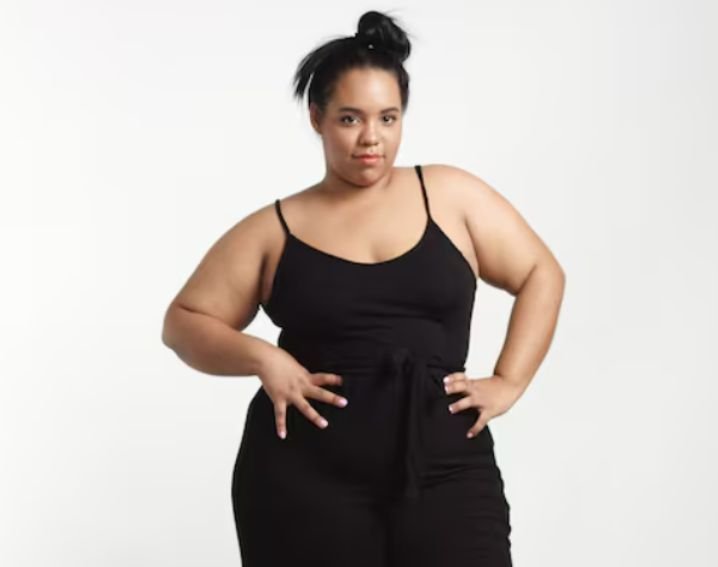
Fat fetishism centers attraction on fullness, softness, presence, confidence, and body abundance, shaping desire through touch, visibility, and personal fantasy.
Fat fetishism, also referred to as adipophilia, reveals a sexual interest directed toward fat bodies, shaped by physical attraction, emotional response, and erotic focus on size and softness.
It appears in private relationships, dating spaces, and adult communities, yet remains surrounded by discomfort and judgment.
Many people confuse it with mockery, control, or unhealthy fixation, while others reduce it to a trend driven by online culture.
These assumptions ignore how attraction works and how preferences form. Fat fetishism exists alongside broader conversations about desire, consent, and body image, not outside them.
Some experience it as a clear sexual focus, others as part of wider attraction patterns.
Addressing the topic directly allows clearer discussion about respect, autonomy, and how body-focused desire fits within modern sexual diversity.
New to fetishism? Check out the beginner’s guide to everything fetishism.
Table of Contents
What is Fat Fetishism, also called Adiphilia?
Fat fetishism or adipohilia is a sexual attraction focused on fat bodies, where size, softness, weight, or body shape become primary sources of arousal. See common types of fetishism.
It can involve physical desire, fantasy, admiration, or erotic focus.
Unlike casual preference, this fetish centers sexual excitement on fatness itself, shaping fantasies, behaviors, and intimate interest, without implying disrespect, coercion, or emotional harm toward consensual adult relationships.
How Fat Fetishism Differs from General Attraction to Plus-Size Partners
Adiphophilia differs from general attraction to plus-size partners in focus, motivation, and sexual emphasis.
General attraction involves emotional connection, physical appeal, compatibility, and shared values, where body size is one aspect among many.
Fat fetishism centers sexual arousal specifically on fatness itself, making weight, softness, or body size a primary erotic trigger rather than a secondary preference.
In fetish contexts, desire may be strongly linked to visual focus, touch, fantasy, or symbolic meanings associated with fat bodies.
Attraction to plus-size partners does not require fetishization and can exist without heightened sexual fixation on size.
Fat fetishism, by contrast, shapes fantasies, arousal patterns, and sexual focus more narrowly.
Both can coexist respectfully, but the key difference lies in whether body size is simply appreciated or functions as the central source of sexual excitement.
Psychological and Emotional Factors Behind Fat Fetishism
Attraction tied to body size develops through emotional response, sensory focus, and learned desire.
Fat fetishism connects physical presence with comfort, fantasy, and deep-rooted psychological cues that shape arousal.
Attraction to Softness, Fullness, and Physical Presence
Softness and fullness trigger sensory pleasure through touch, sight, and closeness.
Physical presence feels grounding, warm, and reassuring, creating a strong erotic response.
Attention centers on curves, weight, and body mass, where fatness itself becomes the focus of desire, fantasy, and sexual fixation rather than a secondary trait.
Comfort, Nurturance, and Emotional Associations
Full bodies can symbolize safety, care, and emotional shelter.
Early experiences with affection, warmth, or protection may link softness to reassurance and intimacy.
These emotional associations shape sexual attraction, blending desire with feelings of being held, soothed, or emotionally supported through physical closeness and body contact.
Role of Taboo, Contrast to Beauty Standards, and Fantasy
Cultural beauty standards favor thinness, making fat bodies socially marginalized.
This contrast fuels taboo desire and fantasy.
Attraction grows stronger when desire resists norms, turning softness and size into symbols of rebellion, erotic focus, and private fantasy that intensifies arousal through social contrast.
Related Posts
Partialism: The Body Part Fetishism
Object Fetishism: An In-depth Guide
Why Leather Give Some People Sexual Arousal
What is Transvestic Fetishism?
Common Expressions of Fat Fetishism
Fat fetishism appears in many ways, blending sensory, emotional, and imaginative elements.
Desire centers on size, shape, and presence, translating into fantasies, rituals, and intimate focus that highlight curves and body mass.
Attraction to Body Size, Curves, and Weight Distribution
Curves and body volume become focal points of sexual interest.
Attention often falls on how weight is carried, the fullness of limbs, stomach, or hips, and the way movement or posture accentuates shape, making the body itself a direct source of erotic pleasure and fascination.
Interest in Feeding, Weight Gain Fantasies, or Admiration
Some are drawn to feeding, roleplay, or imagining weight gain, linking nourishment and erotic tension.
Admiration of size, either privately or with a partner, creates a dynamic of fantasy, anticipation, and sexual arousal that integrates body, desire, and imagination.
Visual, Tactile, and Emotional Elements of Arousal
Visual cues, touch, and emotional resonance combine to intensify attraction.
Feeling softness, observing curves, or sensing presence creates a multisensory erotic experience where the body’s size, warmth, and texture reinforce both sexual and emotional engagement.
Fat Fetishism vs Body Positivity
Adipohilia and body positivity intersect in interesting ways, highlighting desire for larger bodies while navigating respect, consent, and self-expression.
Understanding boundaries and mutual attraction ensures erotic interest coexists with appreciation, not objectification.
Where Fetishization and Appreciation Intersect
Desire for fuller bodies can coexist with admiration for shape, personality, and presence.
Sexual focus on curves or weight can reflect genuine attraction, emotional connection, and visual pleasure, showing how fetishistic interest overlaps with valuing someone’s body beyond superficial appearance.
Risks of Objectification vs Respectful Attraction
Fixating solely on size risks reducing a person to an object of sexual gratification.
Respectful attraction considers consent, personality, and autonomy, keeping erotic focus within ethical and emotionally aware boundaries.
Importance of Agency and Mutual Desire
Engaging in fat fetishism responsibly requires recognition of each person’s agency.
Erotic interest thrives when desire is mutual, consent is clear, and all participants feel valued, empowered, and connected.
Fat Fetishism in Relationships
Fat fetishism can shape intimate dynamics, requiring clear communication, mutual consent, and respect for personal boundaries.
Balancing desire with emotional care strengthens connection, erotic satisfaction, and trust within relationships, creating a healthy space for attraction and fantasy.
Navigating Communication With Partners
Open dialogue about desires, triggers, and fantasies helps partners feel understood and included.
Sharing preferences around body size, feeding dynamics, or erotic scenarios builds trust, reduces misunderstandings, and allows sexual exploration to remain safe, consensual, and enjoyable for everyone involved.
Consent, Boundaries, and Emotional Sensitivity
Consent and boundaries are central to fat fetishism in relationships.
Recognizing limits, avoiding pressure, and acknowledging emotional responses ensure participation feels safe, empowering, and respectful while fostering intimacy and mutual enjoyment.
Supporting Health, Autonomy, and Self-Esteem
Attraction should never compromise well-being.
Encouraging healthy habits, personal choice, and body confidence allows sexual interest to coexist with autonomy, self-esteem, and emotional security, reinforcing trust and shared erotic satisfaction.
Connection Between Fat Fetishism and Feederism
Adipohilia sometimes overlaps with feederism, where attraction extends to feeding or weight gain scenarios.
Exploring this connection safely requires understanding boundaries, consent, and emotional well-being, creating erotic experiences without harm.
What Feederism Is and How It May Overlap
Feederism involves erotic interest in feeding a partner or witnessing weight gain.
For some with fat fetishes, this dynamic enhances sexual excitement by linking desire to growth, curves, or fullness, combining fantasy, touch, and visual stimulation.
Overlap occurs when fetishistic attraction aligns with feeding scenarios, though not all fat fetishists engage in feederism.
Distinguishing Consensual Fantasy From Harmful Behavior
Erotic feeding must remain safe, consensual, and mindful.
Differentiating fantasy from compulsion prevents physical or emotional harm.
Boundaries, negotiation, and honesty ensure that shared experiences satisfy desire without jeopardizing health or autonomy.
Emphasis on Informed Consent and Well-Being
Mutual agreement, clear communication, and attention to emotional and physical limits keep feederism-focused play ethical.
Prioritizing consent, comfort, and self-respect allows erotic exploration to remain pleasurable, empowering, and safe for everyone involved.
Is Fat Fetishism a Mental Health Issue?
Fat fetishism falls within the range of normal sexual variation when it involves consensual attraction and does not interfere with life, health, or relationships.
Awareness helps distinguish healthy desire from concerning patterns.
When Attraction Is Considered Normal Sexual Variation
Sexual arousal linked to body size, curves, or fullness is generally a harmless preference or fetish.
Most people with fat fetishes experience desire without distress, compulsion, or impairment, integrating it into private life or consensual sexual activity safely.
Distress, Compulsion, or Harm as Key Clinical Factors
Professional attention is only needed if fetishistic attraction causes persistent distress, leads to compulsive behavior, or results in physical or emotional harm to oneself or others.
Healthy boundaries and self-control are central.
Reducing Stigma and Encouraging Self-Awareness
Open, nonjudgmental conversations about fat fetishism support self-understanding and mental well-being.
Recognizing it as a valid form of sexual expression helps reduce shame, normalize desire, and encourage safe exploration.
Myths and Misconceptions
Adipophilia is widely misunderstood, often conflated with judgment, mockery, or unhealthy behavior.
Separating fact from stereotype helps clarify the difference between genuine sexual attraction and societal assumptions.
Fat Fetishism Is Not the Same as Mockery or Degradation
Being sexually attracted to larger bodies does not mean ridiculing or humiliating someone.
Fat fetishism centers on admiration, desire, and erotic focus, rather than shaming or objectifying a person for amusement.
Attraction to Fat Bodies Does Not Equal Unhealthy Intentions
Desire for fuller bodies does not automatically signal obsession, control, or harmful behavior.
Most individuals integrate fat fetishism into relationships respectfully, balancing arousal with consent and mutual enjoyment.
Not All Plus-Size Relationships Involve Fetishism
Loving or dating a plus-size partner is not inherently fetishistic.
Relationships can be built on emotional connection, compatibility, and intimacy without the presence of sexualized fixation on body size.
Challenges and Ethical Considerations
Adipohilia brings pleasure and arousal but also involves social, emotional, and ethical challenges.
Awareness of boundaries, consent, and sensitivity ensures the interest remains safe, respectful, and psychologically healthy.
Social Stigma and Shame
Interest in larger bodies can attract judgment, misunderstanding, or ridicule.
Secrecy or discomfort may arise, making it important to seek supportive communities and normalize private exploration without fear of shame.
Balancing Desire With Respect and Care
Arousal should never override empathy. Desire for fat bodies requires attention to consent, communication, and mutual respect, ensuring that attraction enhances intimacy rather than objectifying or controlling a partner.
Avoiding Pressure Around Weight or Body Changes
Engaging in fantasies or preferences should never involve coercion.
Ethical fat fetishism prioritizes autonomy, encouraging partners to participate willingly and preserving physical and emotional well-being.
Conclusion
Fat fetishism channels sexual attraction toward fullness, softness, and body presence, combining physical, emotional, and psychological stimulation.
Desire emerges through touch, sight, and fantasy, shaping arousal around curves, weight, and tactile experience.
While often misunderstood or stigmatized, it can exist respectfully within consensual relationships, balancing admiration, intimacy, and erotic focus.
Clear communication, boundaries, and consent ensure interactions are safe, pleasurable, and ethically responsible.
Adipohilia intersects with broader sexual diversity and body-positive conversations, highlighting how erotic interest can align with respect and emotional awareness.
Whether expressed privately or with partners, attraction to larger bodies can reinforce connection, confidence, and sexual satisfaction.
Emphasizing autonomy, consent, and ethical engagement preserves well-being while validating desire.
Frequently Asked Questions
What is Fat Fetishism?
Fat fetishism, also called adipohilia involves sexual attraction focused on fat bodies, where size, softness, or weight triggers arousal, fantasy, and erotic attention without implying harm or disrespect toward partners.
How is Fat Fetishism Different from General Attraction to Plus-Size Partners?
Adipohilia centers sexual excitement on body size itself, whereas general attraction to plus-size partners emphasizes compatibility, emotional connection, and overall appearance without making fatness the primary erotic focus.
Can Fat Fetishism Be Part of a Healthy Relationship?
When boundaries, consent, and communication are respected,adipohilia can enhance intimacy, sexual satisfaction, and mutual enjoyment, integrating desire safely into relationships while honoring partner autonomy and well-being.
Is Fat Fetishism a Mental Health Issue?
Attraction to fat bodies is typically a normal sexual variation. Concern arises only if it causes distress, compulsive behavior, or harm, in which case professional guidance may be helpful.
Morgan Ellis is the author and researcher behind Kink: BDSM and Fetish Chronicles. With years of study into the psychology, research, and lived experience of alternative sexuality, Morgan writes about kink, BDSM, and fetish from an educational, judgment-free perspective — grounded in consent, communication, and safety. Every article on this site reflects a commitment to honest, responsible information for curious and experienced adults alike.