
Last updated on October 21st, 2026 at 10:59 pm
In 1870, Austrian writer Leopold von Sacher-Masoch published Venus in Furs, an influential novel about a man who begs a commanding woman to dominate him. Sixteen years later, a German psychiatrist borrowed his surname to coin the clinical word masochism.
That psychiatrist treated the desire as an illness, yet modern research and countless happy couples tell a far kinder story.
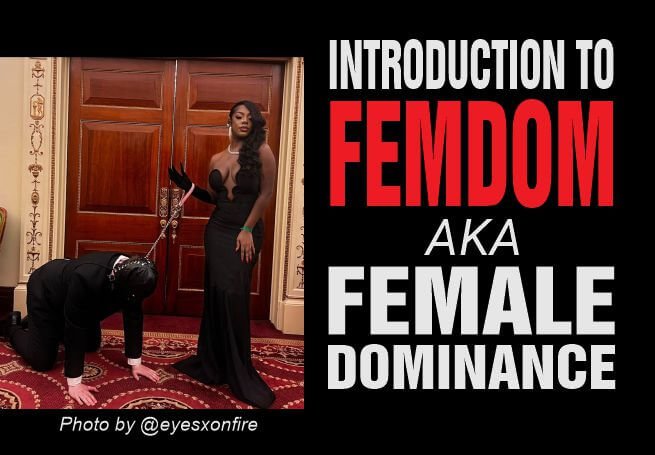
Femdom, short for female domination, describes consensual play or relationships where a woman takes charge and a willing partner follows her lead.
It can mean playful bedroom games, a structured female-led relationship, or professional sessions with a dominatrix.
What unites every version is chosen authority, deep trust, and constant, honest communication between partners.
Over the coming pages, you will find a short definition, history, roles, relationship styles, popular activities, myths, a starter plan, and safety advice, each linking to deeper resources.
Table of Contents
What Is Femdom?
Femdom is a consensual BDSM dynamic where a woman exercises authority over her partner, guiding play, rules, or daily life within negotiated limits. It ranges from occasional bedroom scenes to full female-led relationships built on trust and chosen surrender.

A Short History of Female Domination
Commanding women appear throughout literature, but Sacher-Masoch’s novel gave the fantasy its most famous modern form.
Denmark’s national encyclopedia notes that Venus in Furs appeared in 1870 and that Richard von Krafft-Ebing coined masochism in 1886.
For nearly a century afterward, psychiatry framed such desires as disorders rather than preferences.
Professional dominatrices and twentieth-century fetish culture gradually turned that image into one of skill and consensual theater.
Today, female domination sits comfortably within mainstream kink, embraced by couples, communities, and professional and lifestyle dommes alike.
Why Femdom Appeals to Couples
People are drawn to female domination for many overlapping reasons, and the appeal tends to change as relationships mature.
- Freedom from expectations: Many submissive men enjoy setting aside the pressure to lead, decide, and perform.
- Confidence and authority: Dominant women describe feeling powerful, creative, and deeply desired.
- Her pleasure first: Female-led dynamics tend to center the woman’s satisfaction, which many couples welcome.
- Structure and devotion: Rules, rituals, and service give submissives a clear way to express love.
- Playful intensity: Teasing, denial, and restraint add anticipation that keeps desire fresh.
Research on relationship health in kink couples is encouraging, though the evidence remains limited.
A survey of 163 BDSM practitioners in committed relationships, summarized by psychologist Justin Lehmiller, found average scores in the non-distressed range, with no difference between dominant and submissive partners.
Mainstream marriage research points the same way, since a University of Washington study following 130 newlywed couples found husbands who accepted their wives’ influence had happier, more stable marriages.

Roles in a Femdom Dynamic
Every femdom arrangement involves at least two roles, and some people move between them as years pass.
The Dominant Woman
The dominant, commonly called a domme, mistress, or keyholder, sets the tone, rules, and pace of the dynamic.
Good dommes combine confidence with attentiveness, reading their partner closely and adjusting play to his limits.
Many build skills gradually, borrowing ideas from dominant mindset and skills and learning from experienced mentors.
The Submissive Partner
The submissive chooses to follow her lead, offering obedience, service, and honesty in return for structure and care.
Submission is an active role, because he must communicate limits, report discomfort, and speak up when something feels wrong.
Many describe the joy of submission as calm, centered, and wonderfully freeing.
Switches and Fluid Roles
Some people enjoy both dominant and submissive roles, switching between partners, scenes, or moods.
A switch may lead one evening and follow the next, which helps each partner appreciate the other’s position more fully.
Femdom does not require fixed identities, only clear agreements about who leads at any given time.

Styles of Femdom Relationships
Couples practice female domination in very different ways, so choosing a style that fits daily life matters enormously.
Bedroom-Only Femdom
Many couples keep female domination inside planned scenes, returning to an equal partnership afterward.
This style suits busy lives, children at home, or partners still testing their interest.
Scenes might last twenty minutes or a whole weekend, but the power exchange ends when the scene does.
Female-Led Relationships
A female-led relationship, or FLR, extends her authority into everyday decisions such as finances, chores, or social plans.
Some FLRs feel gentle and affectionate, while others follow strict protocols and formal rules.
Clear agreements about which areas she controls prevent confusion and resentment over the long term.
Total Power Exchange
Total power exchange, sometimes called 24/7, places most decisions with the dominant around the clock.
It demands exceptional trust, frequent review, and agreed limits that remain non-negotiable even within total control.
Few couples sustain it permanently, and many treat it as an occasional intensive period instead.
Online and Long-Distance Femdom
Some dynamics run entirely through messages, video calls, and assigned tasks, especially for couples living apart.
Remote control can include daily check-ins, chastity reports, or creative challenges with photo proof.
Privacy deserves extra care, because shared images and chat logs can surface long after a relationship ends.
Popular Femdom Activities
Female domination covers a wide menu of activities, and dedicated pages cover each one in depth.
- Chastity and keyholding: She holds the key to his release, as described in keyholding and chastity play, with sizing help on choosing a chastity device.
- Orgasm control: Edging, denial, and permission rules feature in controlling his release.
- Bondage: Cuffs and rope let her hold total physical control, covered in restraint led by women.
- Feminization: Dressing, makeup, and persona play appear in sissy and feminization play.
- Impact: Spanking and paddling remain femdom favorites, detailed in spanking and impact games.
- Service and protocol: Rituals, chores, kneeling, and formal address express devotion in daily life.
- Worship and praise: Body worship, compliments, and adoration let submissives show admiration directly.
Many submissives also enjoy a degree of pain, which where masochism fits explains in more depth.
Femdom Vocabulary for Newcomers
Knowing the common terms helps when reading community forums, negotiating scenes, or chatting with experienced players at local events.
- Domme or mistress: A woman in the dominant role, in private relationships and professional settings alike.
- Keyholder: The partner who keeps the chastity key, deciding when the locked partner may finally find release.
- FLR: A female-led relationship, where her authority extends beyond the bedroom into chosen areas of daily life.
- TPE: Total power exchange, an intensive arrangement placing most decisions with the dominant partner.
- Protocol: Agreed rituals, forms of address, and behaviors that express the dynamic in everyday moments.
- Sub drop: A temporary emotional low after intense play, eased by rest, reassurance, and attentive aftercare.
Myths About Female Domination
Stereotypes keep many couples from trying femdom, so a few deserve correction.
- Myth: Dominant women are cruel. Most dommes describe their role as caring, attentive, and protective of their partner.
- Myth: Submissive men are weak. Choosing vulnerability takes courage, honesty, and considerable self-knowledge.
- Myth: Femdom always involves pain. Many dynamics center on service, teasing, or control with no striking whatsoever.
- Myth: It ruins equal partnerships. Couples negotiate every element, and either partner can renegotiate or stop.
- Myth: Only professionals do it. Countless ordinary couples practice femdom privately without ever paying anyone.
How to Start Femdom Together
A gradual, patient start builds confidence and trust for both partners in equal measure.
- Start the conversation: Share fantasies honestly, using tips on bringing femdom up gently.
- Agree on limits: List activities each partner wants, might try, or refuses entirely.
- Pick a safe word: Choose a clear stop word plus a slowdown word before any scene.
- Begin small: Try a short scene built on simple commands, teasing, or light restraint.
- Debrief together: Talk afterward about highlights, discomfort, and ideas for next time.
- Build slowly: Add new elements one at a time, reviewing your agreement as the dynamic grows.
Safety, Consent and Emotional Care
Every femdom dynamic rests on enthusiastic, ongoing consent, which either partner can withdraw at any moment.
Power imbalances also deserve honest reflection, because strong attachment can keep someone in an unhealthy arrangement.
A study of submissive women, reported in 2024, found those who preferred hierarchy in daily life valued loyalty highly, and the researchers warned this could leave some vulnerable in unbalanced relationships.
The same caution applies to submissive men, so ask regularly about wellbeing outside the dynamic.
Plan aftercare for both partners, since dominant women can feel drained or uncertain after intense scenes too.
Grounding every arrangement in core BDSM concepts keeps femdom safe, consensual, and genuinely rewarding.
Conclusion
Sacher-Masoch’s fantasy once looked like a diagnosis, yet today female domination thrives as a consensual, deeply rewarding way to share power.
Femdom can stay playful and occasional, or grow into a full female-led relationship built on rules, rituals, and devotion.
Every version depends on honest conversation, clear limits, and attentive care for both partners.
Start with one small scene, review it together, and expand only when trust feels solid.
Choose whichever activity excites you most from the list above, read its linked article, and schedule a first evening very soon.
Frequently Asked Questions
What does femdom mean?
Femdom, short for female domination, describes consensual play or relationships in which a woman takes the lead, guiding her partner through rules, scenes, or routines within agreed limits.
What is a female-led relationship?
A female-led relationship extends a woman’s authority into chosen areas of everyday life, such as finances, chores, or plans, rather than limiting her control to occasional bedroom scenes.
Is femdom healthy for relationships?
Yes, when both partners consent freely, negotiate limits, keep communicating, and can stop anytime. Studies of committed kink couples find average relationship satisfaction comparable to non-distressed couples generally.
How do couples start femdom?
Begin by sharing fantasies and limits openly, choose safe words, then try a short, simple scene. Afterward, talk everything over together and build gradually from that shared foundation.
Disclaimer: This article is for educational and informational purposes only and does not constitute medical, psychological, or therapeutic advice. All content assumes and is intended for consenting adults (18+). This site does not endorse or provide instruction for any non-consensual activity, or any content involving minors. If you are exploring kink, BDSM, or fetish practices, consult reputable educational resources and, where relevant, a licensed sex therapist or medical professional. If you are in crisis or experiencing abuse, contact appropriate local support services immediately.

Morgan Ellis is the author and researcher behind Kink: BDSM and Fetish Chronicles. With years of study into the psychology, research, and lived experience of alternative sexuality, Morgan writes about kink, BDSM, and fetish from an educational, judgment-free perspective — grounded in consent, communication, and safety. Every article on this site reflects a commitment to honest, responsible information for curious and experienced adults alike.