Last updated on October 21st, 2026 at 10:59 pm
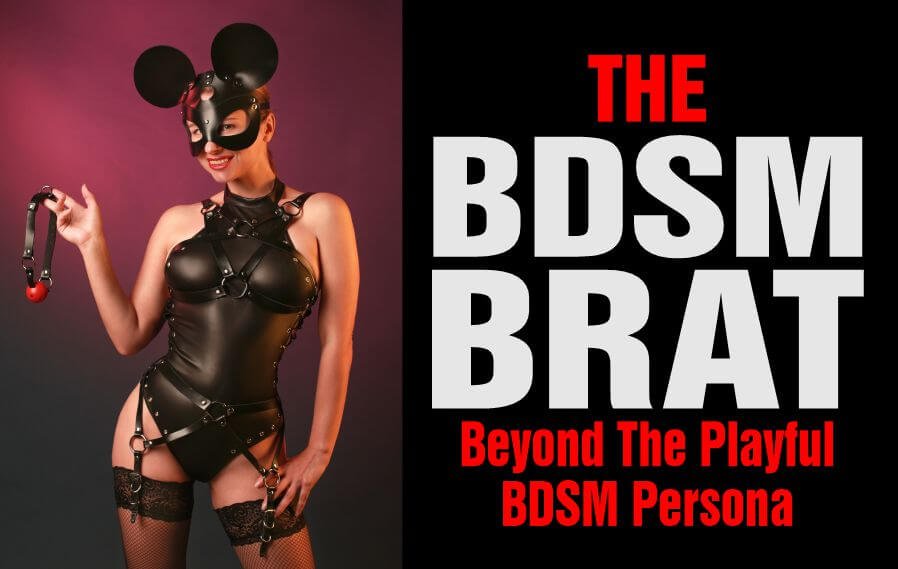
Around 1400, Chaucer used the word brat for a cloak of coarse cloth, long before anyone applied it to children. By 1808 it meant an ill-mannered child, and in kink today it names a submissive who misbehaves playfully on purpose.
A BDSM brat pushes against rules, teases a dominant partner, and deliberately invites a response rather than simply obeying.
The role can look like defiance from outside, yet it rests on detailed agreements and genuine trust between both people.
Brats enjoy the chase, the rising tension, and the satisfying moment a partner finally restores order.
Their partners, commonly called brat tamers, enjoy rising to that challenge with wit, patience, and firm boundaries.
Brat types, tamer styles, a quick self-check, and the consent habits that keep bratting fun all follow, along with a few stubborn myths worth retiring along the way.
Table of Contents
Who Is a BDSM Brat?
A BDSM brat is a submissive who consensually resists, teases, or breaks agreed rules to provoke a dominant partner’s response. The defiance is playful and negotiated, so both partners enjoy the struggle for control rather than experiencing real conflict.
Where Brats Fit in Power Exchange
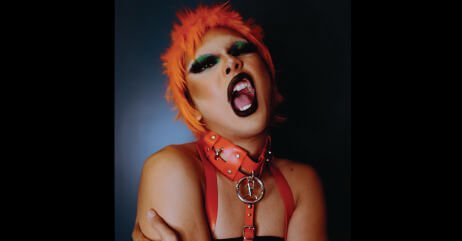
Brats usually identify as submissive, though their submission shows up through resistance rather than quiet obedience.
Writing for Autostraddle as a self-identified brat, Summer Tao describes brat dynamics as a three-act story of rules, playful violations, and a dominant response.
That account reflects one practitioner’s experience, so readers should treat it as community perspective rather than research.
Formal studies rarely measure brats as a separate group, which leaves most knowledge in community hands.
Research on 279 practitioners published in 2021, summarized by the International Society for Sexual Medicine, grouped people only as dominant, submissive, or switch.
Submissives made up about 38% of that sample and switches about 37%, yet no category captured bratting specifically.
The word itself has also gone mainstream in recent years, which sometimes muddies its kink meaning.
In 2024, CNN reported that Collins Dictionary named brat its word of the year, defining it as a confident, independent, and hedonistic attitude.
That pop-culture sense overlaps with kink bratting, but it carries none of the negotiation or power exchange.
The Online Etymology Dictionary notes that the ill-mannered child sense appeared by 1808, and use for childishly rude adults by 1968.
Types of Brats
Bratting comes in many flavors, and most brats mix several styles depending on mood, partner, and setting.
The Mouthy Brat
The mouthy brat uses words as the main weapon, answering commands with sarcasm, back talk, or cheeky jokes.
Witty insults and dramatic sighs invite the dominant to respond with firmness or a clever comeback.
Partners should agree which words stay playful, because some insults can wound when they touch real insecurities.
The Loophole Brat
The loophole brat obeys instructions exactly as stated, while cheerfully ignoring their obvious intent.
Told to kneel, they might kneel facing the wall, or they finish a task in the most annoying way possible.
This style rewards dominants who give precise orders and enjoy a battle of wits.
The Physical Brat
The physical brat resists with their body, wriggling away, playfully wrestling, or making the dominant catch them first.
Some enjoy being pinned or carried, which turns submission into a hard-won victory for both partners.
Clear space, agreed limits on force, and a working safe word matter most with this style.
The Attention-Seeking Brat
The attention-seeking brat misbehaves mainly to grab the spotlight, interrupting, poking, or stealing a phone mid-conversation.
Their goal is engagement rather than punishment, so a playful reaction usually satisfies them completely.
Dominants can channel this energy into games, tasks, or deliberate rewards for good behavior.
The Rule-Breaking Brat
The rule-breaking brat deliberately violates protocols, such as forgetting titles, skipping assigned tasks, or speaking out of turn.
They want consequences, so the fun lies in getting caught and accepting a negotiated response.
This style works best when rules and their consequences are written down in advance.
What Is a Brat Tamer?
A brat tamer is a dominant partner who enjoys answering a brat’s defiance with patience, humor, and firm boundaries.
Good tamers never lose their temper, because the game depends on calm control rather than genuine anger.
Many draw on wider dominant leadership skills, such as reading moods and keeping promises.
- The playful tamer: Matches wit with wit, turning bratting into banter, tickling, or teasing games.
- The stern tamer: Responds with calm authority, firm voice commands, and consistent consequences for broken rules.
- The physical tamer: Enjoys pinning, carrying, or restraining a struggling brat within carefully agreed limits.
- The strategic tamer: Sets clever rules, anticipates loopholes, and outmaneuvers the brat before misbehavior even begins.
Not every dominant enjoys bratting, and some prefer partners whose submission looks like quiet service.
Brats should check that a partner actually wants this dynamic before testing it.
Common Brat Consequences
Consequences give the dynamic its payoff, and couples settle them well before any rule gets broken.
- Funishments: Playful penalties both partners enjoy, such as tickling, lines, or a silly task.
- Impact play: Many brats welcome playful spanking or paddling as a response to misbehavior.
- Denial: Some tamers delay or deny pleasure, using denial as a consequence for broken rules.
- Restraint: Cuffs or rope can end a physical chase and keep a wriggling brat still.
- Loss of privileges: Taking away a phone, a treat, or a favorite activity for an agreed time.
Our page on funishment versus real punishment explains why genuine anger never belongs in a scene.
Are You a Brat? A Quick Self-Check
This self-check is a reflection exercise rather than a scientific test, so treat any results as conversation starters.
- Do rules make you want to test them? Brats feel a playful itch to push limits rather than follow them quietly.
- Do you enjoy being caught? The thrill tends to come from the dominant’s response rather than from getting away with something.
- Is back talk fun for you? Many brats love sarcastic banter with a partner who can answer in kind.
- Do you want your partner to work for it? Brats tend to prefer submission that feels earned rather than handed over.
- Does quiet service feel less exciting? Some submissives love obedience, while brats find tension and resistance more rewarding.
Answering yes to several questions suggests bratting might suit you, though only real conversation and experience can confirm it.
For a broader view of your preferences, try a dom or sub quiz alongside this list.
Keeping Bratting Consensual and Fun
Bratting depends on more negotiation than many dynamics, because resistance can make genuine distress harder to spot.
- Agree on the game first: Confirm that both partners want bratting, and decide when and where it applies.
- Set rules worth breaking: Write down rules and consequences, agreeing on off-limits punishments before play starts.
- Use a separate stop signal: In-character protests need a reliable stop word that ends play instantly.
- Respect real moods: Pause bratting when either partner feels stressed, unwell, or genuinely annoyed.
- Close each cycle: Finish with reassurance, affection, and a short chat about what worked.
Myths About Brats
- Myth: Brats are bad submissives. Bratting is simply a different style of submission, chosen and enjoyed by both partners.
- Myth: Brats want real punishment. Most want engagement and play, and genuine anger usually ruins the experience for everyone.
- Myth: Any dominant can tame a brat. Many dominants dislike resistance, so compatibility matters far more than skill alone.
- Myth: Bratting means no limits. Brats negotiate limits as carefully as anyone, and sometimes even more carefully.
Bratting is one expression of the broader power dynamics in kink, and readers can compare it with submissive roles in general.
Conclusion
The word that once named a coarse medieval cloak now describes one of the most playful and mischievous roles in kink.
A BDSM brat resists, teases, and bends rules on purpose, while a brat tamer answers with calm and clever authority.
Mouthy, loophole, physical, attention-seeking, and rule-breaking brats each need slightly different responses.
Every version depends on enthusiastic agreement, written rules, a separate stop signal, and honest, affectionate aftercare afterward.
Your next step: take the self-check above alongside your partner, then compare answers before planning your first bratty scene together.
Frequently Asked Questions
What does brat mean in BDSM?
A brat is a submissive who playfully resists, teases, or breaks agreed rules to provoke a dominant partner’s response, enjoying the struggle for control within carefully negotiated limits.
What is a brat tamer?
A brat tamer is a dominant who enjoys answering bratty defiance with patience, humor, and firm consequences, keeping calm control rather than reacting with genuine anger or frustration.
Is a brat a submissive or a dominant?
Most brats identify as submissive, because they deeply crave a partner who restores order, though some switches enjoy bratting during certain scenes or only with particular trusted partners.
Am I a brat or just a submissive?
You may be a brat if testing rules, back talk, and getting caught excite you more than quiet obedience, though honest conversation and real experience confirm it best.
Disclaimer: This article is for educational and informational purposes only and does not constitute medical, psychological, or therapeutic advice. All content assumes and is intended for consenting adults (18+). This site does not endorse or provide instruction for any non-consensual activity, or any content involving minors. If you are exploring kink, BDSM, or fetish practices, consult reputable educational resources and, where relevant, a licensed sex therapist or medical professional. If you are in crisis or experiencing abuse, contact appropriate local support services immediately.
Morgan Ellis is the author and researcher behind Kink: BDSM and Fetish Chronicles. With years of study into the psychology, research, and lived experience of alternative sexuality, Morgan writes about kink, BDSM, and fetish from an educational, judgment-free perspective — grounded in consent, communication, and safety. Every article on this site reflects a commitment to honest, responsible information for curious and experienced adults alike.