

Last updated on October 21st, 2026 at 12:56 pm
Many people assume an anonymous chat window is the safest place to try kink, because nobody can see your face. Yet by the end of July 2021, the FBI had already logged more than 16,000 sextortion complaints for that year.
BDSM roleplay chat lets partners act out power exchange through typed words, voice notes, or video, for couples sharing a bed or living continents apart.
Done well, it builds anticipation, sharpens communication, and lets shy people voice desires they would never say aloud.
Done carelessly, it can expose private images, invite scammers, or leave someone hurt by a scene that went too far.
Writing well and staying safe turn out to be closely linked skills that anyone can learn with practice.
Chat formats, research on sexting, scene-building steps, writing tips, privacy protection, and warning signs of scams all appear below.
Table of Contents
What Is BDSM Roleplay Chat?
BDSM roleplay chat is consensual kink play conducted through text, voice, or video, where adults act out dominant and submissive characters remotely. Partners negotiate limits and stop signals in writing first, then build scenes together message by message.
How Common Is Kinky Chat and Sexting?
Erotic messaging turns up widely among adults, and especially among people already in steady relationships.
Drexel University researcher Emily Stasko surveyed 870 adults, and Live Science reported that 88% had sexted at least once and 74% had done so within a committed relationship.
People who sexted more frequently also reported higher sexual satisfaction than those who sexted less.
That study came with caveats worth noting before anyone treats chat as a cure-all.
Sexting described as unwanted was linked to lower relationship satisfaction among very committed participants, and the online sample may have overstated how common sexting is.
Stasko described the findings as preliminary, so chat works best as one tool among many.
Types of BDSM Roleplay Chat
Online kink takes several forms, and each one carries different benefits and risks.
Private Text Chat With a Partner
Couples who already know each other can run scenes through a messaging app, trading commands, confessions, and teasing across a workday.
Existing familiarity makes negotiation much easier and sharply reduces the risk of scams.
Choose an app with end-to-end encryption, and agree on what happens to the conversation history afterward.
Anonymous Chat Rooms
Anonymous rooms let people try kinky conversation without revealing their identity, which appeals to the curious and the cautious.
That same anonymity also shelters scammers, fake profiles, and people who ignore stated limits.
Never share real names, workplaces, photos, or locations in these spaces, however friendly someone seems.
Kink Community Platforms
Social sites built for kink communities combine profiles, discussion groups, and private messages.
Mutual friends, event attendance, and public references make it easier to judge if someone is trustworthy.
Treat every new contact cautiously anyway, because profiles can be invented and references faked.
Voice and Video Scenes
Voice notes and video calls add tone, breath, and expression, which deepens immersion for many couples.
They also create material that someone could record, so discuss screenshots and recordings explicitly.
Many experienced players keep faces out of frame and avoid identifying backgrounds, such as mail, uniforms, or windows.
Long-Distance Daily Dynamics
Couples living apart sometimes maintain a power exchange through daily rules, morning check-ins, assigned tasks, and evening reports.
The structure keeps the dynamic alive between visits and builds real trust.
Regular video calls help partners notice tired or low moods that plain text can easily hide.
How to Start a BDSM Chat Scene
Text scenes need the same care as physical ones, because typed words can wound as deeply as spoken ones.
- Confirm adulthood: Play only with people you have good reason to believe are adults, and leave any conversation that raises doubts.
- Negotiate in writing: Agree on themes, intensity, and limits worth typing out before the first in-character line.
- Set out-of-character markers: Many players use brackets, such as “(OOC: are you okay?),” to step outside the story briefly.
- Choose a text stop signal: Typing “RED” in capitals works as one of the stop words in text form that end play instantly.
- Agree on media rules: Decide if photos, voice notes, or video are allowed, and how they will be stored or deleted.
- Plan the ending: Agree how scenes close, including a short check-in once the story finishes.
These steps reflect wider principles of consent in digital spaces and talking about desires openly with any partner.
Tips for Writing a Great Chat Scene
Strong writing makes a scene feel alive, even when partners sit thousands of miles apart.
- Write in present tense: Immediate verbs make actions feel like they are happening right now.
- Use sensory detail: Describe sounds, textures, temperature, and breath rather than listing actions mechanically.
- Leave room to respond: End each message with something your partner can react to, rather than resolving everything yourself.
- Match your partner’s pace: Mirror message length and rhythm, so neither person feels rushed or ignored.
- Check in naturally: Weave short out-of-character questions into the flow, especially after intense moments.
- Borrow a setting: Our scenario ideas to borrow and mind games over text offer ready-made starting points.
Dominants should remember that dominant etiquette online still means reading reactions, while submissives deserve space to keep their submissive voice in writing honest and clear.
Protecting Your Privacy
Anything typed or recorded online can outlive the relationship that produced it.
A 2016 Kinsey Institute study of 5,805 single adults, reported by ScienceDaily, found 23% of people who received sexual photos had shared them with others.
Nearly three in four participants said they felt uncomfortable with that kind of unauthorized sharing.
- Keep faces and identifiers out: Crop out faces, tattoos, birthmarks, and anything that reveals your location.
- Use encrypted apps: End-to-end encryption protects messages in transit, though screenshots remain possible.
- Separate accounts: Use a kink-only email address and username unconnected to your real name.
- Turn off devices: The FBI advises switching off webcams and devices when not in use.
- Think before sending: Assume any image could one day be seen by someone else.
Scams and Red Flags in Online Kink
Scammers deliberately target online intimacy, because emotions run high and careful judgment tends to dip.
The FBI’s Internet Crime Complaint Center warned in a 2021 alert that sextortion commonly begins on dating apps, moves quickly to another platform, and ends with demands for money.
Nearly half of the victims who reported these crimes were aged 20 to 39.
Romance scams cause even larger financial losses for people seeking connection online.
The Federal Trade Commission reported that Americans lost $1.14 billion to romance scams in 2023, with a median loss of $2,000 per person.
- Rushing to a new app: Pressure to leave a platform quickly is a classic early warning sign.
- Requests for money or gifts: Never send cash, cryptocurrency, or gift cards to someone you have not met.
- Refusal to video chat: Endless excuses for avoiding a live call suggest a fake identity.
- Pressure for explicit images: Anyone who demands photos before trust exists may plan to exploit them.
- Threats after sharing: If someone threatens exposure, stop contact, keep evidence, and report it to the platform and police.
Partners who want to move from chat to meeting in person can follow safer ways to meet kinksters, including public first dates and safe calls.
Aftercare After an Online Scene
Typed scenes can leave people emotionally raw, and physical distance makes comforting each other harder.
Send warm messages once the scene ends, ask how your partner feels, and schedule a voice call when possible.
Plan care after a typed scene just as carefully as you would after physical play.
Every online dynamic sits within the BDSM overview page, where trust and consent come first.
Conclusion
Those thousands of FBI sextortion complaints from a single year show that anonymity alone never guarantees safety in online kink.
BDSM roleplay chat can deepen intimacy, build anticipation, and keep long-distance dynamics alive when partners negotiate carefully.
Clear limits, bracketed check-ins, text stop signals, and thoughtful writing make scenes richer.
Strong privacy habits, scam awareness, and real aftercare keep those scenes safe.
Your next step: agree on a written stop signal and media rules with your chat partner today, then start with a short, simple scene you both truly enjoy.
Frequently Asked Questions
What is BDSM roleplay chat?
BDSM roleplay chat is consensual kink conducted through text, voice, or video, where adults act out dominant and submissive characters remotely after negotiating clear limits and stop signals.
Is anonymous BDSM chat safe?
Anonymous chat carries real risks, including scams, fake profiles, and sextortion, so never share identifying details, images, or money with strangers, and leave any conversation that feels wrong.
How does a safe word work in text roleplay?
Partners agree on a written signal, such as typing “RED” in capital letters, which immediately ends the scene, followed by a gentle out-of-character check on how everyone feels.
Can couples do BDSM roleplay over text?
Yes, many couples use text roleplay to build anticipation or maintain long-distance dynamics, and research links more frequent sexting with higher reported sexual satisfaction for many committed partners.
Disclaimer: This article is for educational and informational purposes only and does not constitute medical, psychological, or therapeutic advice. All content assumes and is intended for consenting adults (18+). This site does not endorse or provide instruction for any non-consensual activity, or any content involving minors. If you are exploring kink, BDSM, or fetish practices, consult reputable educational resources and, where relevant, a licensed sex therapist or medical professional. If you are in crisis or experiencing abuse, contact appropriate local support services immediately.
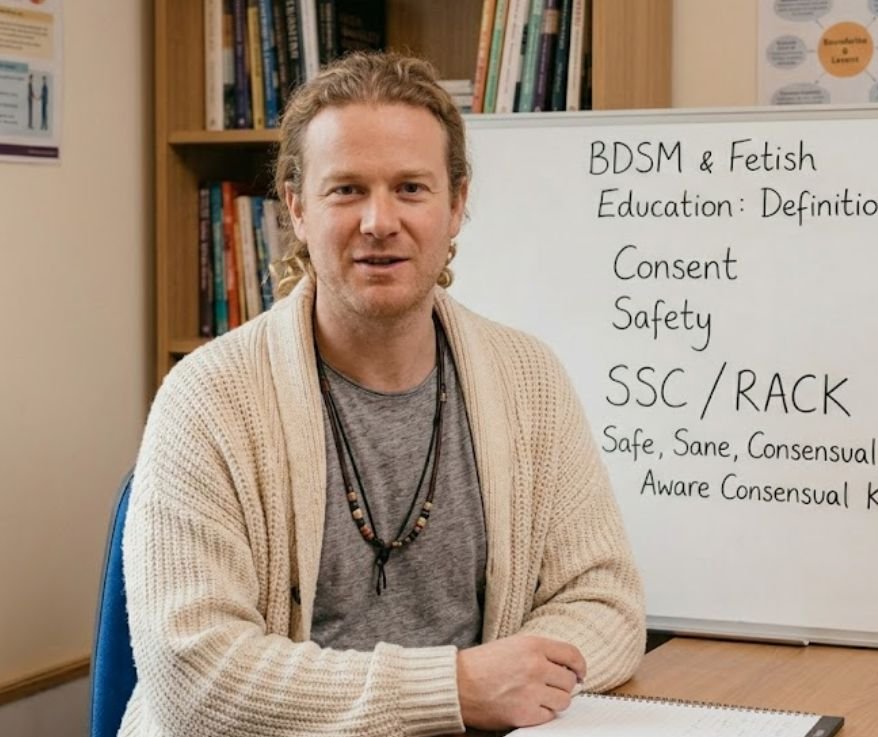
Morgan Ellis is the author and researcher behind Kink: BDSM and Fetish Chronicles. With years of study into the psychology, research, and lived experience of alternative sexuality, Morgan writes about kink, BDSM, and fetish from an educational, judgment-free perspective — grounded in consent, communication, and safety. Every article on this site reflects a commitment to honest, responsible information for curious and experienced adults alike.