
Last updated on October 21st, 2026 at 04:57 pm
Many players assume that a sturdy massage table doubles perfectly as a bondage table. Yet MASSAGE Magazine notes that working weight, meaning the load a table handles while people move on it, is roughly 25% of its full static rating.
A bondage table is padded furniture built to hold a partner securely in place, usually lying flat, with attachment points for cuffs, straps, or rope.
It turns restraint into something comfortable enough for long, slow scenes rather than quick, awkward ties on a bed.
The right table also frees the top’s hands and offers easy access from every side of the body.
Yet poor construction, weak anchor points, and long periods without movement all bring genuine risks worth planning around carefully in advance.
Table types, key features, buying and building advice, restrained-body safety, cleaning, and long-term care all appear below.
Table of Contents
What Is a Bondage Table?
A bondage table is a padded, sturdy platform designed for restraint play, with built-in attachment points along its frame. Partners lie on it while cuffs, straps, or rope secure their limbs, giving the top full access and control.

Why Players Choose a Table
Tables solve problems that beds and floors create, especially during longer or more detailed scenes.
- Stability: A rigid frame keeps the restrained partner steady, unlike a soft mattress that sinks and shifts.
- Access: Open sides let the top move freely around the body without climbing over anything.
- Working height: Waist-level surfaces spare the top’s back and knees during long sessions.
- Built-in anchors: Rings and eyelets replace improvised tie points such as bedposts or door handles.
- Clear boundaries: A dedicated piece of furniture can help both partners shift into a scene mindset.
Key Features to Look For
Quality varies enormously, so check these details before trusting any table with a body.
- Frame material: Hardwood or welded steel frames resist racking far better than thin pine or tubular aluminum.
- Padding: Dense foam at least two inches thick protects hips, shoulders, and heels during long scenes.
- Upholstery: Wipeable vinyl or sealed faux leather cleans easily and resists body fluids.
- Attachment points: Look for welded D-rings or through-bolted eyelets spaced evenly along every side.
- Lacing rails: Some tables include rows of eyelets or bars so rope can lace a partner down in patterns.
- Weight rating: A clear working-weight figure matters more than a large static number.
- Face cradle or cut-out: A breathing hole makes face-down positions far safer and more comfortable.
Types of Bondage Tables
Each design suits a different budget, room size, and preferred style of restraint play.
Flat Padded Tables
Flat tables are the classic design, offering a firm rectangular surface with anchor points around the edge.
They suit beginners well, because positioning a partner stays simple, predictable, and stable. Their main drawback is size, since a full-length table occupies considerable floor space.
Adjustable and Tilting Tables
Adjustable tables raise, lower, or tilt sections, letting partners change angles without untying anything.
Some models split apart at the legs, while others tilt the torso section upward. Moving parts add flexibility, yet every hinge and lock needs regular inspection for wear.
Folding and Portable Tables
Folding tables collapse for storage under a bed or in a closet, which helps small apartments and shared homes.
Portability sacrifices some stiffness, so check every locking hinge carefully before each use.
These models suit lighter restraint scenes far better than they suit vigorous struggle.
Massage Tables Used for Bondage
Many beginners repurpose massage tables, attaching straps underneath or around the legs.
MASSAGE Magazine explains that working weight, the moving load, is usually estimated at about 25% of static capacity.
Struggling partners create dynamic loads, so reinforce or replace any table that flexes.
Custom-Built and Medical-Style Tables
Custom tables, including medical-style examination tables, offer stirrups, adjustable sections, and specialized restraint points.
They particularly suit long-term dynamics, medical roleplay scenarios, and dedicated play rooms.
Quality builders provide weight ratings, materials lists, and clear assembly instructions, so request those details upfront.
How to Choose a Bondage Table
Work through these questions before spending money on a large, hard-to-return purchase.
- What positions do you want? Face-up, face-down, seated, or split-leg positions each favor different designs.
- Will it fit the room? Measure carefully, allowing a clear walkway around all four sides of the frame.
- Who will use it? Choose a working-weight rating comfortably above the heaviest likely user, plus movement.
- Which restraints will you use? Match ring spacing and size to your cuffs, straps, or rope.
- Where will it live? Folding models suit shared homes, while fixed tables suit dedicated rooms.
- What can you clean? Wipeable upholstery saves time and protects foam from absorbing fluids.
For wider buying advice across all furniture and gear, see our pillar page on kink equipment.
If the table will anchor a full play space, our page on designing a dungeon at home covers layout and lighting.
Building Your Own Table
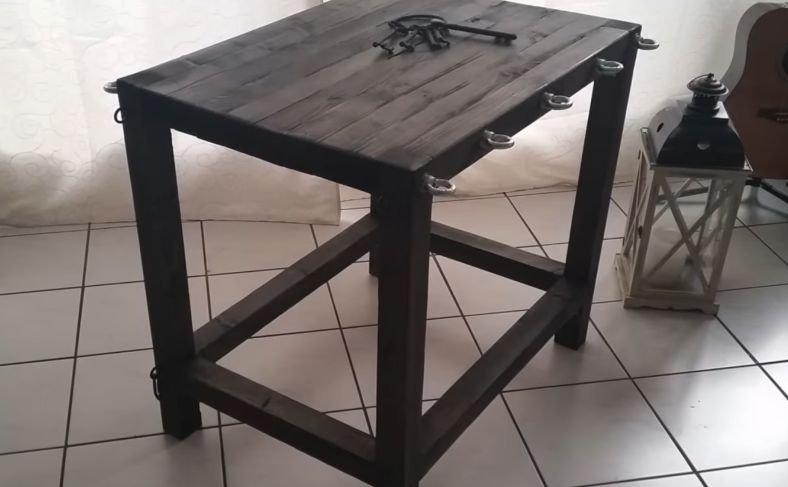
Handy players sometimes build tables from hardwood frames, upholstery foam, and bolted eye hooks.
Homemade tables can work well, provided every anchor is through-bolted rather than screwed into soft wood.
Test any build with far more weight than a person, then add sudden pulls to simulate struggle.
Avoid decorative hardware without load ratings, and round every corner that could catch a hip or knee.
Safety While a Partner Is Restrained
A table makes restraint comfortable, yet stillness itself creates risks that grow with time.
- Change position regularly: Johns Hopkins Medicine notes that pressure injuries can develop in as little as several hours without movement, especially over heels, hips, and elbows.
- Protect the elbows: Cleveland Clinic explains that resting an elbow on a hard surface can compress the ulnar nerve, causing numbness in the hand.
- Check circulation: Ask about tingling, coldness, or numbness, and compare hand color on both sides.
- Guard breathing face-down: Use a face cradle or cut-out, and never press the head into padding.
- Never leave them alone: A restrained partner cannot escape a fall, fire, or medical emergency.
- Keep shears nearby: Safety shears free rope and straps in seconds if cuffs jam or panic sets in.
Choose cuffs that pair well with tables, and settle on a stop signal that works while strapped down.
This site’s bondage basics hub explains nerve-safe tying, while shared limits before strapping in keep everyone on the same page.
Cleaning and Caring for Your Table
Wipe the surface after every scene, then disinfect it before the next partner or session.
The CDC advises cleaning surfaces first, because dirt can stop disinfectants from working properly.
It also recommends keeping disinfectant wet for the full contact time listed on the label.
- Protect upholstery: Use gentle, upholstery-safe products, since harsh chemicals crack vinyl and expose foam.
- Inspect hardware monthly: Tighten bolts, check welds, and replace any ring showing rust or bending.
- Cover between uses: A fitted sheet or cover keeps dust off and adds privacy when guests visit.
Aftercare on the Table
Release restraints one limb at a time, then help your partner sit up slowly to avoid dizziness.
Hand over a drink, wrap them in something warm, and speak gently before anyone tries to stand.
Plan comfort after a long restraint scene with the same attention you gave the restraint itself.
To place table play within the bigger kink picture, visit the core BDSM page.
Conclusion
That 25% working-weight rule neatly explains why a borrowed massage table can fail just when a partner starts to struggle.
A bondage table offers stability, access, and comfortable restraint, provided its frame, padding, and anchor points match how you actually play.
Flat, adjustable, folding, and custom designs each suit different spaces, needs, and budgets.
Stillness still carries real physical risks, so shift positions, protect elbows, guard breathing, and never leave anyone alone.
Measure your available space tonight, then shortlist two tables that list published working-weight ratings and sturdy, through-bolted rings.
Frequently Asked Questions
What is a bondage table used for?
A bondage table holds a partner securely in place during restraint play, providing padding, built-in attachment points, and easy access from every side for the controlling partner throughout.
Can I use a massage table for bondage?
You can with care, but working weight is roughly a quarter of static capacity, so struggling partners may overload it; reinforce the frame or choose a purpose-built table.
Is it safe to stay strapped to a table for hours?
Only with regular position changes, because pressure injuries can begin within several hours of stillness, and check circulation, elbows, and breathing throughout any long scene on the table.
What should I look for in a bondage table?
Look for a hardwood or steel frame, dense padding, wipeable upholstery, through-bolted attachment points, a published working-weight rating, and ideally a padded face cradle for any face-down positions.
Disclaimer: This article is for educational and informational purposes only and does not constitute medical, psychological, or therapeutic advice. All content assumes and is intended for consenting adults (18+). This site does not endorse or provide instruction for any non-consensual activity or any content involving minors. If you are exploring kink, BDSM, or fetish practices, consult reputable educational resources and, where relevant, a licensed sex therapist or medical professional. If you are in crisis or experiencing abuse, contact appropriate local support services immediately.

Morgan Ellis is the author and researcher behind Kink: BDSM and Fetish Chronicles. With years of study into the psychology, research, and lived experience of alternative sexuality, Morgan writes about kink, BDSM, and fetish from an educational, judgment-free perspective — grounded in consent, communication, and safety. Every article on this site reflects a commitment to honest, responsible information for curious and experienced adults alike.