

Last updated on October 21st, 2026 at 08:58 am
Imagine finally telling your partner that you want her to dress you in lace, rename you with something sweet, and take complete control. Your pulse races, half from excitement and half from fear of how that whispered confession will land.
That mix of longing and nerves is common among people drawn to sissy kink, a playful and sometimes intense form of erotic feminization.
Sissy kink usually involves a submissive partner, frequently a man, adopting exaggerated feminine clothing, manners, or roles at a dominant partner’s direction.
For some it feels freeing, for others deliciously humbling, and for many it carries both feelings at once.
Respect matters enormously here, because the play touches gender, identity, and shame.
Read on for a clear, simple definition, word origins, links with crossdressing and identity, popular scene activities, femdom connections, emotional risks, and sensible consent safeguards.
Table of Contents
What Is Sissy Kink?
Sissy kink is a consensual form of erotic role play in which a submissive partner takes on an exaggerated feminine persona for arousal or power exchange. Clothing, names, manners, and service tasks express that persona, usually under a dominant partner’s guidance.

Where the Word Sissy Comes From
The word began innocently, as the Online Etymology Dictionary records its use as a pet form of “sister” by 1768. By 1873, it had shifted into an insult for boys and men seen as effeminate, a meaning that stung for generations.
Many kink communities have since reclaimed the term, turning a schoolyard taunt into a chosen, eroticized identity within consensual play.
That history explains why the word can thrill one person and wound another, so partners should agree on vocabulary before using it.
Sissy Kink, Crossdressing and Gender Identity
Sissy play overlaps with crossdressing, but the two are not identical, and neither one defines someone’s gender identity. GLAAD describes crossdressing as gender expression, separate from a person’s internal sense of their gender.
It also stresses that transgender women are not crossdressers and should never be described that way.
Arousal from wearing women’s clothing is not as rare as stereotypes suggest, though regular interest remains uncommon.
MSD Manuals report that up to 3% of men have crossdressed and felt sexually stimulated by it at least once.
Clinicians only diagnose a disorder when the interest causes marked distress or impairment, so a consensual sissy kink is not a mental illness.
Readers interested in clothing-based arousal itself will find more in crossdressing as a fetish.
Some people discover through sissy play that their feelings run deeper than a kink.
Anyone questioning their gender deserves supportive, nonjudgmental space, ideally with a gender-affirming therapist rather than a scene partner.
Why Some People Enjoy Sissy Play
Motivations vary widely, and most people experience several at once rather than a single neat reason.
- Release from expectations: Setting aside traditional masculine pressure can feel liberating, soft, and deeply relaxing.
- Sensory pleasure: Silk, lace, stockings, and makeup offer textures and rituals many wearers rarely experience otherwise.
- Surrender and submission: Following a partner’s styling choices deepens the feeling of handing over control.
- Playful humiliation: For some, mild embarrassment adds an erotic charge, provided it stays within clearly agreed limits.
- Service and devotion: Feminine roles such as maid or companion give submissives concrete ways to please a dominant.
Common Sissy Kink Activities
Couples mix these activities freely, and each one can be gentle and affectionate or strict and demanding.
Dressing and Lingerie
Dressing forms the core of most sissy play, from a single pair of panties under everyday clothes to full outfits with stockings and heels.
Many dominants choose every item themselves, which turns getting dressed into a ritual of surrender.
Comfortable sizing matters, because pinching or ill-fitting garments distract from the experience quickly.
Makeup and Styling
Makeup, wigs, nail polish, and perfume extend the feminine persona beyond clothing alone.
Some dominants apply makeup personally, creating an intimate, slow-paced scene built on touch and attention.
Others assign makeup practice as homework, rewarding improvement with praise and correcting sloppy results with playful consequences agreed in advance.
Feminine Names and Pronouns in Scenes
Many sissies receive a feminine name used only during play, which marks a clear boundary between the persona and everyday life.
Pronoun use inside scenes should be negotiated carefully, because words carry different emotional weight for different people.
Agree which names feel affirming, which feel humbling, and which should never be used.
Maid and Service Roles
The sissy maid is a classic archetype, combining feminine uniforms with household service and formal manners.
Cleaning, serving drinks, and practicing curtsies give the role structure and purpose beyond appearance.
These ideas fit naturally within maid and service roleplays, where clear rules keep the fantasy fun rather than exhausting.
Sissy Training and Tasks
Training turns sissy play into an ongoing project, with tasks such as walking in heels, posture practice, or diary entries.
The dominant sets goals and reviews progress, adding accountability and anticipation between scenes.
Keep tasks private, achievable, and respectful of work and family life, so the dynamic stays sustainable.
Erotic Humiliation
Some sissy scenes include verbal teasing or mild embarrassment, which can feel intensely arousing for people who enjoy it.
Humiliation demands the most careful negotiation, because it targets shame directly and can easily cross into real hurt.
Try it only within clearly listed limits, and pair it with generous reassurance afterward.
Sissy Kink Within Femdom
Sissy play frequently appears in female-led power exchange, where a woman directs the feminization and enjoys the authority it represents.
Some couples combine it with chastity alongside feminization, so the persona and the locked device reinforce each other.
Others prefer occasional sessions with a dominatrix, especially when a partner at home does not share the interest.
Many sissies describe the role as an expression of submissive service roles, where pleasing the dominant matters more than the clothing itself.
Emotional Risks and Humiliation Limits
Sissy play touches sensitive territory, so emotional safety deserves as much planning as costumes do.
Shame, past bullying, family attitudes about masculinity, and unresolved questions about gender can all surface unexpectedly.
The Kink Clinical Practice Guidelines note that many kink-involved clients encounter clinicians who pathologize them, so finding a kink-aware therapist can make support far easier.
- List off-limits words: Decide together which insults, names, or topics stay out of every scene, using words that stay off-limits as a model.
- Separate play from life: Keep humiliation inside negotiated scenes, never in arguments, public settings, or in front of uninvolved people.
- Watch for real distress: Tears of release differ from genuine hurt, so pause and check in whenever something feels off.
- Plan reassurance: Offer reassurance after humiliation scenes, affirming the person behind the persona once play ends.
Consent, Privacy and Safety
Privacy carries extra weight in sissy play, because photos of someone in feminine dress could damage relationships or careers if shared.
Never photograph or film without explicit permission, and agree where any images are stored and when they are deleted.
Public dressing involving unaware bystanders draws them into a scene they never agreed to, so keep play among consenting adults.
Safe words still apply in every scene, and the principles behind BDSM’s consent-first framework keep the dynamic caring, honest, and fun.
Psychological play techniques covered in humiliation and mind play offer more ideas for keeping intense scenes balanced.
Conclusion
That nervous confession from the opening deserves a kind, curious response, whichever side you stand on.
Sissy kink can be tender, silly, strict, or deeply submissive, but it always works best when both partners agree on names, limits, and privacy first.
Keep humiliation inside the scene, protect photos very carefully, and leave room for questions about identity without pressure.
Celebrate the person behind every outfit with generous, sincere praise once play ends.
Tonight, choose one outfit, one name, and one firm limit together, then schedule a gentle first dressing ritual.
Frequently Asked Questions
What does sissy mean in kink?
Sissy kink is consensual erotic role play where a submissive partner adopts an exaggerated feminine persona, usually guided by a dominant partner, for arousal, surrender, or playful humiliation.
Does enjoying sissy kink mean someone is transgender?
No, sissy kink describes erotic play, while gender identity reflects a person’s internal sense of self. Some people later realize deeper feelings, and supportive, gender-affirming therapy can help.
Where did the word sissy come from?
The word began as a pet form of sister by 1768, then became an insult for effeminate boys and men by 1873, before many kink communities reclaimed it.
Is sissy kink healthy?
Yes, when every adult consents, limits are clearly negotiated, humiliation stays inside agreed scenes, and private photos are never shared without explicit, written permission from the person shown.
Disclaimer: This article is for educational and informational purposes only and does not constitute medical, psychological, or therapeutic advice. All content assumes and is intended for consenting adults (18+). This site does not endorse or provide instruction for any non-consensual activity, or any content involving minors. If you are exploring kink, BDSM, or fetish practices, consult reputable educational resources and, where relevant, a licensed sex therapist or medical professional. If you are in crisis or experiencing abuse, contact appropriate local support services immediately.
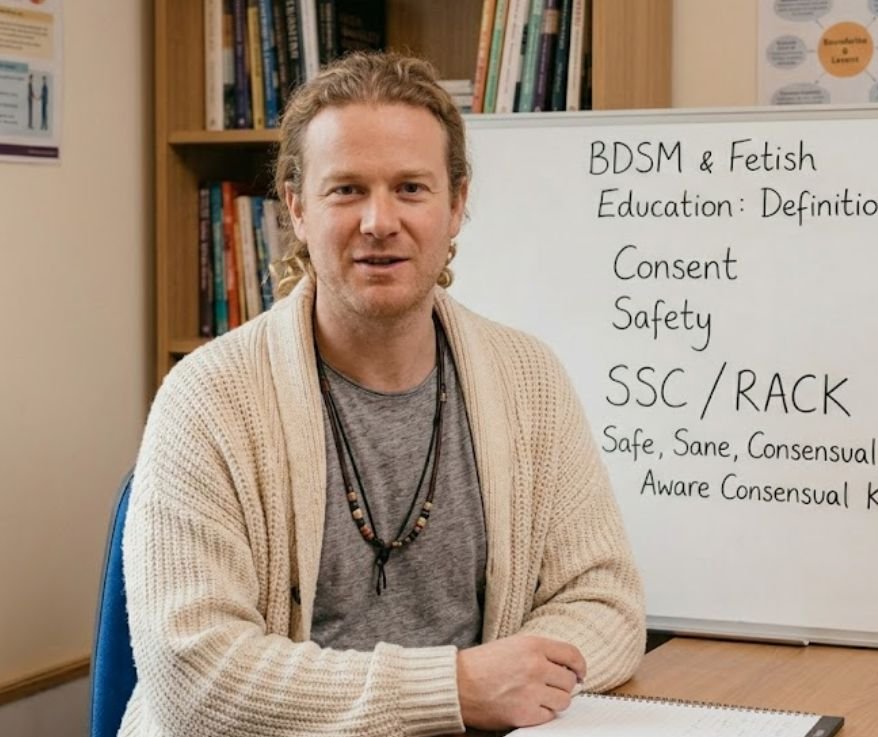
Morgan Ellis is the author and researcher behind Kink: BDSM and Fetish Chronicles. With years of study into the psychology, research, and lived experience of alternative sexuality, Morgan writes about kink, BDSM, and fetish from an educational, judgment-free perspective — grounded in consent, communication, and safety. Every article on this site reflects a commitment to honest, responsible information for curious and experienced adults alike.