
Last updated on October 21st, 2026 at 06:21 am
Kwame’s bargain crop snapped mid-scene when he flexed it for dramatic effect, and the split fiberglass core left a row of itchy scratches on Ines’s thigh. Neither had even thought to check what was hiding beneath that glossy leather wrap.
Ines and Kwame are fictional characters, yet cracked shafts are a real hazard that product listings rarely mention.
A crop is the flexible tool riders carry, and in kink it delivers small, precise stings rather than broad impact.
Its narrow leather keeper lets you tap, tease, point, and correct with remarkable accuracy, which explains its lasting popularity in power exchange.
You will learn how crops are built, which styles suit newcomers, and how they compare with whips, canes, and floggers.
Practical advice on grip, technique, target areas, scene ideas, aftercare, and inspection follows, so your crop stays trustworthy for years.
Table of Contents
What Is a BDSM Crop?
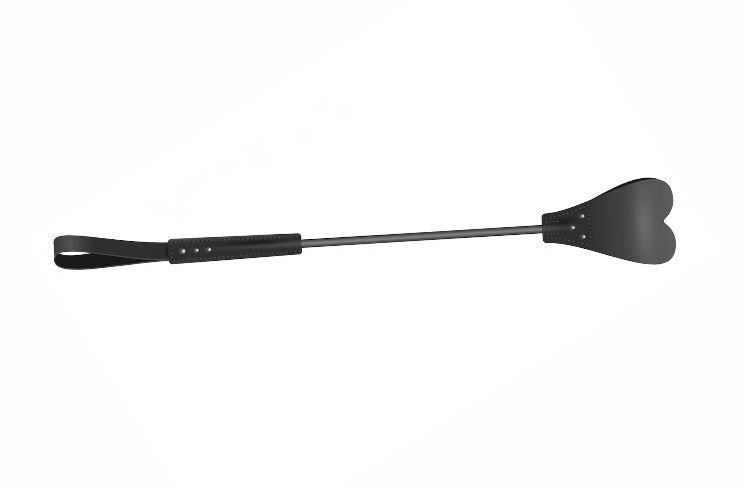
A crop is a short, springy rod with a handle at one end and a small flap of leather, called a keeper, at the other.
Riders designed it to give horses quick cues, but kink players adopted it for its precision, sound, and commanding look.
Because the keeper is so small, every strike lands on a coin-sized patch of skin, producing a bright sting rather than a heavy thud.
Crops sit alongside paddles, floggers, and canes in impact toys and techniques, yet they behave quite differently.
Crops also serve as props, pointers, and teasing tools, giving them a role well beyond hitting.
A light tap under the chin, a slow trace along the spine, or a pointed gesture toward the floor can carry as much charge as any strike.
Anyone new to power exchange can read how BDSM works in practice before adding a crop to a first scene.
Parts of a Riding Crop
Each part of a crop affects how it feels in the hand and on the skin.
- Shaft: The flexible body, usually built around fiberglass, carbon fiber, cane, or spring steel, then wrapped in leather or braided cord.
- Keeper: The flat leather tip that makes contact, which can be a simple loop, a wider flap, or a decorative cutout.
- Handle: The grip end, sometimes padded or weighted, which should feel steady without needing a tight squeeze.
- Wrist loop: A thin cord near the base, which many players leave dangling so the crop can be dropped instantly.
- Popper or tip stitching: The seams holding the keeper in place, which need regular checking for loose threads.
The core material matters more than most buyers realize, because it decides flexibility, weight, and how the crop fails when overstressed.
Fiberglass is light and cheap, but it can splinter when bent sharply, as Kwame discovered in the worst possible moment.
Why a Crop Stings So Precisely
A crop concentrates force into the tiny keeper, so even gentle flicks create a sharp, localized sting.
The flexible shaft whips forward at the end of each swing, adding speed to the tip without much effort from the arm.
That combination makes crops feel intense yet controllable, as long as the person holding one keeps strokes short and deliberate.
The pleasure some people feel from that sting has a biological basis that researchers are still mapping.
Oxford neuroscientists Siri Leknes and Irene Tracey have shown that pain and pleasure share circuitry, with opioid and dopamine systems regulating both experiences.
Their work does not explain kink directly, but it helps clarify why consensual sting can feel rewarding in the right context.
Interest in this kind of play is far more widespread than its reputation suggests. A 2015 YouGov survey of Americans found that 13% had taken part in BDSM, rising to 23% among adults under 30.
The same poll found that 53% had some sexual preference for dominance or submission, a dynamic crops express especially well.
From Stable to Bedroom: A Brief History
Riding crops have been part of equestrian kit for centuries, used to reinforce leg cues rather than to punish.
Their association with authority made them a natural fit for Victorian discipline imagery and, later, for the leather and dominatrix aesthetics of the twentieth century.
Today the crop remains one of the dominatrix’s signature tools, instantly recognizable in costume, photography, and roleplay.
One common myth holds that crops are gentle because riders use them on horses.
University of Sydney researchers found that horse and human skin show no meaningful difference in outer-layer thickness or nerve-ending density.
In practical terms, a crop can hurt people as readily as it hurts horses, so treat every swing with respect.
Types of Crops
Crops vary in length, stiffness, keeper style, and core material, and each change alters the sensation noticeably.
Jumping or Bat Crops
Jumping crops are short, typically stiff, and fitted with a wide, flat keeper sometimes called a bat.
The broad tip spreads force slightly, producing a loud slap and a sting that feels manageable for anyone tense about pain.
Their short length keeps strokes close and controlled, so beginners find them the easiest place to start.
Classic Riding Crops
Classic riding crops have a longer, more flexible shaft and a narrow leather loop at the tip.
The extra flex adds speed and bite, so the same wrist motion stings harder than it would with a jumping crop.
These crops reward practice and suit partners who already enjoy sharper sensations.
Dressage Whips
Dressage whips look like stretched crops, with a long, slender shaft and only a tiny tip or lash.
Their length builds tremendous speed, so they cut sharply and mark easily, placing them closer to canes than crops.
Learn on shorter tools first, then move to a dressage whip only after discussing marks and limits.
Leather-Wrapped and Braided Crops
Crops wrapped in plaited leather feel weighty and luxurious, and the braiding adds grip along the shaft.
Quality braided crops come from specialist makers and cost more, but they balance better and wear far longer than mass-market versions.
Rubber and Silicone Crops
Crops made entirely from rubber or silicone have no rigid core, so they bend dramatically and cannot splinter.
Their surface is non-porous and simple to sanitize, making them a smart choice for shared play or club use.
Expect a snappy, rubbery sting that builds faster than leather at similar effort.
Decorative and Novelty Keepers
Some crops carry keepers cut into hearts, hands, stars, or letters, which can leave matching imprints on the skin.
Novelty tips add playful theater, but intricate edges concentrate force unevenly, so test them carefully before using them firmly.
Paddle-Tipped Crops
A few designs swap the keeper for a miniature paddle, blending crop reach with paddle spread.
These hybrids suit people who enjoy a crop’s handling but prefer a slightly broader, less pointed sting.
Readers comparing broader tools can browse our paddle and cane rundown for more options.
Crop vs Whip vs Cane vs Flogger
Each impact tool distributes force differently, and this quick comparison sums up the main trade-offs.
| Tool | Contact area | Typical sensation | Learning curve |
|---|---|---|---|
| Crop | Small keeper | Sharp, pinpoint sting | Gentle |
| Flogger | Many falls | Spreading thud or mild sting | Moderate |
| Cane | Thin line | Deep, intense, welting sting | Steep |
| Single-tail whip | Tiny tip at high speed | Cutting sting, easily breaks skin | Very steep |
Floggers suit long, rhythmic warm-ups, as covered in thuddy floggers for warm-ups, while crops excel at punctuating a scene with precise accents.
Whips demand extensive practice on targets, so the step up to whips belongs much later in anyone’s impact journey.
How to Choose a Crop
Kwame’s replacement crop came from a specialist maker, and the difference in balance and build was obvious the moment he lifted it.
These six pointers help you sidestep the mistake that cost Ines a scratched thigh.
- Start short and stiff: A jumping crop with a broad keeper gives the gentlest learning curve.
- Check the core: Ask which material forms the shaft, then favor solid construction over the lowest price tag.
- Inspect the keeper: Look for tight stitching and smooth edges with no exposed staples or rivets.
- Feel the balance: A well-made crop sits comfortably in the hand without pulling toward the tip.
- Consider hygiene: Non-porous rubber and silicone suit couples who share toys at clubs or with other partners.
- Think about noise: Wide keepers slap loudly, while narrow loops are quieter but sting more.
Cheap fiberglass shafts deserve extra caution, because a crack can expose glass fibers along the break.
The ATSDR fact sheet on fibers notes that synthetic vitreous fibers can irritate skin on contact, which matches the itching Ines felt.
How to Hold and Swing a Crop
Hold the crop close to the base of the handle with a loose, relaxed grip, keeping your thumb along the shaft for steering.
Most of the motion should come from the wrist, with the elbow staying close to your body for control.
Stand near enough that the keeper lands flat on the target, rather than the shaft striking first across the skin.
Shaft strikes feel much harsher than keeper strikes and can leave thin, stinging lines similar to a cane.
Crop Techniques to Learn
Crops reward variety, because small changes in speed, angle, and rhythm create very different sensations.
Practice each move on a cushion or your own thigh before trying it on a partner.
- Tapping: Light, rapid taps with the keeper warm the skin and build anticipation without much sting.
- Flicking: A quick snap of the wrist delivers a sharper, brighter sting at the same spot.
- Drumming: Fast, alternating taps across both buttocks create a buzzing heat that rises steadily.
- Tracing: Draw the keeper slowly along the skin, letting the receiver wonder when the next strike will land.
- Pointing and positioning: Use the tip to direct posture, a gesture that feels commanding without any impact at all.
- Mixing tools: Alternate crop accents with hand spanking or a soft flogger to vary intensity across a scene.
Unpredictable rhythm and pauses can heighten anticipation, but only within limits both partners have already agreed.
Many people enjoy pairing tracing and tapping with light teasing and sensation, such as feathers, ice, or a blindfold.
Where to Aim a Crop
Keep strikes on fleshy, muscular areas, and avoid any spot where bone, joints, nerves, or organs lie just beneath the skin.
| Aim here | Keep away from |
|---|---|
| Lower, fleshier part of the buttocks | Spine, tailbone, and neck |
| Backs and outer sides of the thighs | Kidneys and lower back |
| Upper back muscles, lightly | Face, eyes, and ears |
| Calves, very lightly | Knees, elbows, wrists, and ankles |
| Palms, for light ceremonial taps | Inner thighs and genitals with firm strikes |
Light taps on sensitive areas can be part of negotiated play, but firm strikes there risk bruising or nerve pain. Review beginner spanking safety for a fuller map of safe target zones.
Crop Scene Ideas
A crop suits many styles of play, from lighthearted teasing to strict, formal dynamics.
- Riding and equestrian themes: Crops anchor pony play dynamics, where the crop guides posture, pace, and commands.
- Teacher and student scenarios: A crop works as a pointer and an instrument of playful correction in equestrian and teacher roleplays.
- Protocol and posture training: Light taps reinforce agreed positions in protocol and correction scenes.
- Anticipation play: The dominant partner holds the crop visibly, letting tension build before any contact.
- Sensation contrast: Alternate the crop’s sting with soft strokes from fur, silk, or bare hands.
Each scene still needs a clear conversation about limits, marks, and intensity, and negotiating each crop scene explains how to keep that consent active.
Settle on stop signals everyone remembers, including a nonverbal option if the receiver might be gagged or breathless.
Common Crop Mistakes
- Swinging from the shoulder: Big arm movements add far too much force, so keep the motion in the wrist.
- Letting the shaft land first: This creates harsh, cane-like stripes instead of a controlled keeper sting.
- Repeating one exact spot: A single patch of skin blisters or bruises quickly, so move the target around.
- Flexing the shaft for show: Bending a crop dramatically stresses the core and can snap it, as Kwame learned.
- Ignoring wear: Frayed keepers, loose stitching, and soft spots along the shaft signal a crop near failure.
Aftercare After Crop Play
Crop marks usually show as small red spots or raised welts that fade within a day or two.
Check the skin for broken areas, blisters, or splinters, and clean any open spots gently before applying a soothing balm.
Emotional care matters just as much, and soothing stung skin afterward covers both physical comfort and the conversations that follow.
Caring for and Inspecting Your Crop
A well-kept crop lasts for years, while a neglected one can fail without warning.
- Inspect before every scene: Flex the shaft gently along its length and listen for cracks, creaks, or soft spots.
- Check the keeper: Pull lightly on the tip to confirm stitching and attachment remain secure.
- Clean leather gently: Rub with a barely moist cloth and a pH-balanced leather balm, conditioning now and then to prevent cracking.
- Wash rubber and silicone: Rinse under lukewarm water with a gentle cleanser, then let them air-dry completely before storing.
- Store straight: Hang crops by the wrist loop or lay them flat, never bent or crushed under heavy items.
- Retire damaged crops: Any crop with a cracked core or exposed fibers belongs in the bin, not the toy bag.
Conclusion
Kwame now runs his thumb along the shaft before every scene, and Ines teases him about his inspection ritual.
Their sturdy jumping crop has become a favorite, delivering playful taps, sharp accents, and the occasional commanding point toward the floor.
Pick a short, well-built crop, keep strikes on padded muscle, and let your wrist do the work.
Check the core and keeper regularly, and retire anything that shows a crack.
If you feel ready for more intensity, compare single tails and stockwhips in our whip safety primer before buying one.
Frequently Asked Questions
What is a BDSM crop used for?
A BDSM crop is a springy rod topped with a flat flap of leather. It delivers precise, stinging taps and doubles as a pointer for commands and teasing.
Does a riding crop leave marks?
Crops usually sting rather than bruise, especially when used with light force. Firm flicks, repeated strikes on one spot, or shaft strikes can raise welts and small bruises.
What is the difference between a crop and a whip?
A crop has a short shaft and small keeper for pinpoint sting. A whip has a long, flexible tail that travels faster, cutting sharply and demanding extensive practice.
What should beginners look for in a crop?
Look for a short jumping crop with a broad keeper, tight stitching, and a sturdy core. Skip bargain fiberglass shafts, because they can crack and expose irritating fibers.
Disclaimer: This article is for educational and informational purposes only and does not constitute medical, psychological, or therapeutic advice. All content assumes and is intended for consenting adults (18+). This site does not endorse or provide instruction for any non-consensual activity, or any content involving minors. If you are exploring kink, BDSM, or fetish practices, consult reputable educational resources and, where relevant, a licensed sex therapist or medical professional. If you are in crisis or experiencing abuse, contact appropriate local support services immediately.

Morgan Ellis is the author and researcher behind Kink: BDSM and Fetish Chronicles. With years of study into the psychology, research, and lived experience of alternative sexuality, Morgan writes about kink, BDSM, and fetish from an educational, judgment-free perspective — grounded in consent, communication, and safety. Every article on this site reflects a commitment to honest, responsible information for curious and experienced adults alike.