

Last updated on October 21st, 2026 at 04:41 pm
When Indiana University researchers swabbed vibrators immediately after their owners cleaned them, one model still carried HPV in 56% of cases. Spotless-looking gear can hide real risks, so choosing the right material matters as much as choosing the right toy.
BDSM tools and equipment range from a simple silk scarf to steel shackles, wooden paddles, rope, gags, chastity devices, and full dungeon furniture.
The sheer variety thrills some newcomers and overwhelms others, especially when shops sell everything with the same glossy promises.
Smart choices depend on what you want to feel, how much risk you accept, and how well you can clean and store each item.
This pillar page maps every major category of kink gear and points to deeper, dedicated pages for each.
It also covers materials, buying tips, homemade gear, hygiene, storage, and realistic starter budgets for beginners.
Table of Contents
What Counts as BDSM Tools and Equipment?
BDSM tools and equipment include any item used to restrain, strike, stimulate, deprive, or position a consenting partner during kink play. The category spans pocket-sized blindfolds to room-filling furniture, and every piece brings its own benefits, risks, and care needs.

BDSM Tool Names at a Glance
This table lists the most common tool names, what each does, and the main risk to manage.
| Category | Common tools | Main purpose | Key risk |
|---|---|---|---|
| Restraints | Cuffs, shackles, spreader bars | Limit movement | Nerve and circulation damage |
| Rope and tape | Jute, hemp, nylon rope, bondage tape | Tie or bind | Nerve compression, slips |
| Impact | Paddles, floggers, canes, crops, whips | Strike the body | Bruising, cuts, organ injury |
| Sensory | Blindfolds, feathers, wax, pinwheels | Heighten or remove senses | Burns, panic |
| Mouth gear | Ball, bit, ring, and tape gags | Restrict speech | Airway blockage, jaw strain |
| Chest and genital | Clamps, chastity devices | Pressure or denial | Constriction, skin damage |
| Electrical | E-stim units, violet wands | Electrical sensation | Heart and burn risks |
| Furniture | Crosses, benches, bondage tables | Position the body | Falls, overloaded anchors |
Main Categories of BDSM Gear
Each category below gets a brief overview, while dedicated pages cover technique and safety in full detail.
Restraints, Cuffs, and Shackles

Restraints hold wrists, ankles, or thighs in place, ranging from padded leather cuffs to steel shackles and quick-release Velcro.
Padded leather cuffs are kind to newcomers, whereas metal restraints demand more care around nerves.
The overview of cuff and restraint styles compares the options, and a separate page examines steel shackles and metal cuffs.
Rope and Bondage Tape


Rope adapts to almost any scene, from simple wrist ties to decorative harnesses, but it takes practice to tie safely.
Bondage tape clings to itself rather than skin or hair, which makes it a forgiving starting point.
Learn fiber choices on our rope materials and nerve safety page, or begin with self-clinging tape for beginners.
Spreader Bars and Hogtie Connectors

Spreader bars keep two limbs separated by a set gap, while hogtie connectors link wrists to ankles behind the body.
Both tools leave the restrained partner feeling exposed, open, and pleasantly helpless.
Spreader bars with adjustable widths suit beginners, whereas hogtie positions and their breathing risks need far more caution.
Suspension Gear

Suspension raises a partner’s body, wholly or in part, using rope, rings, and rated hardware attached to a secure anchor point.
It counts as one of the riskiest activities in kink, because falls and nerve injuries happen quickly.
Read about suspension rigging and its hazards and seek hands-on instruction before attempting it.
Impact Implements

Impact tools include paddles, floggers, canes, crops, slappers, and whips, each producing a different blend of thud and sting.
Start with broad, forgiving implements, and learn the safe target zones before anything else.
Our impact play starting point explains the basics, and the spanking implement comparison helps you choose.
Deeper pages cover flogger tails and weights, single-tail and snake whips, and riding crops for precise strikes.
Gags, Hoods, and Blindfolds

Gags restrict speech, hoods cover the head, and blindfolds remove sight, so each one changes how partners communicate.
Any gear placed near the mouth or nose must leave breathing completely unobstructed.
Our page on mouth gear and breathing precautions covers the details, while blindfold and deprivation ideas appear in the sensation hub.
Sensation Tools

Feathers, pinwheels, ice, wax candles, nipple clamps, and e-stim units all fall under sensation play.
These tools stretch from gentle, ticklish teasing all the way to sharp, demanding intensity.
See clamps, suction, and chest play for pressure tools and electrical toys and their placement rules before buying anything powered.
Collars and Leashes
A collar carries symbolic weight in many dynamics, signaling ownership, commitment, or a role within a scene.
Leather and nylon collars with buckles are the most common, and leashes add playful control.
Collars should never restrict breathing, and our page on collars in pup and kitten play offers fitting advice.
Chastity Devices
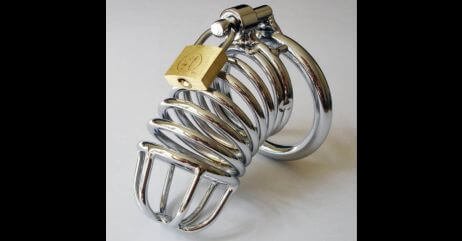
Chastity devices lock away the genitals to prevent touch or orgasm, sometimes for hours and sometimes for days.
Fit, material, and hygiene decide if extended wear stays safe or causes damage.
The post on how chastity cages fit explains sizing, while chastity within femdom dynamics covers the relationship side.
Furniture and Dungeon Equipment

Furniture covers Saint Andrew’s crosses, padded benches for spanking, wooden stocks, cages, and bondage tables.
These pieces position bodies securely but require sturdy construction and solid anchoring.
Browse planning a private play room for layout ideas, and compare bondage table features before investing.
Safety Equipment
Every kit needs safety shears that cut rope and tape quickly, plus spare keys for anything that locks.
A basic first aid kit, water, and a phone within reach complete the core kit.
Safety gear costs little, yet it turns potential emergencies into minor inconveniences.
Choosing BDSM Gear That Suits You
Good purchases start with an honest conversation between partners rather than with a full shopping cart.
Work through the following questions together before buying anything new for your collection.
- What sensation do you want? Decide between thud or sting, light restraint or full immobility, teasing or intensity.
- What are your limits? Rule out anything either partner marked as a firm no on your shared limits list.
- Can you release it quickly? Prefer buckles, Velcro, and panic snaps over locks and knots while learning.
- Can you clean it properly? Porous items need more care and should usually stay with one person.
- Does it fit your space? Furniture and suspension hardware need room, sturdy floors, and secure anchoring.
- Is the quality verifiable? Look for clear materials lists, detailed sizing, and sellers who answer questions directly.
Shopping together can double as negotiation, and couples who browse side by side regularly surface wishes they never mentioned.
Check out the post on bringing gear into the bedroom conversation that shares gentle opening lines.
Materials Guide: What Your Gear Is Made Of
Material determines comfort, durability, cleaning, and safety, so it deserves as much attention as design.
- Silicone: Body-safe and simple to sanitize when it is platinum-cured, nonporous, and free of cheap fillers.
- Stainless steel and glass: Nonporous, very hygienic, and great for temperature play, though heavy and unforgiving if dropped.
- Leather: Durable and comfortable against skin, yet porous, so it needs conditioning and should not be shared.
- Nylon and neoprene: Affordable, washable, and lightweight, which makes them popular for beginner cuffs and hoods.
- Wood: Classic for paddles, but splinters and cracks demand regular inspection and sealed finishes.
- Latex and rubber: Sensual and form-fitting, although the Asthma and Allergy Foundation of America notes that about 4 in 100 people have a latex allergy.
- PVC and jelly plastics: Cheap and soft, but California’s Proposition 65 phthalate fact sheet links some plasticizing chemicals to reproductive harm.
Professional vs Homemade BDSM Equipment
Homemade gear appeals to crafty players and tight budgets, and some items genuinely work well.
Others carry hidden risks that properly manufactured equipment has already been designed to eliminate.
These homemade projects are generally reasonable for careful, patient makers to attempt at home:
- Blindfolds: Padded eye covers sewn from soft, washable fabric work well and cost very little.
- Simple paddles: Wooden paddles that are sanded smooth and properly sealed make satisfying weekend projects.
- Sensation kits: Feather ticklers, texture swatches, and small sensation boxes suit any skill level.
- Rope: Natural-fiber rope that has been properly sourced, washed, and conditioned can serve for years.
These items are best left to professionals, because hidden flaws can cause serious injury:
- Suspension hardware: Anything bearing a person’s weight needs rated components with documented load limits.
- Electrical devices: Homemade circuits can deliver dangerous current, so buy purpose-built units only.
- Locking restraints and chastity devices: Poor edges, sharp burrs, or jammed locks can injure skin and trap a partner.
- Gags and hoods: Reliable breathing gaps and secure, quick-release fastenings require carefully tested designs.
Generic hardware-store fittings deserve particular suspicion from anyone building their own play equipment.
Rigging supplier 4Wall Entertainment explains that overhead loads typically need a 5:1 design factor between breaking strength and working load limit.
Most decorative hooks and generic eye bolts carry no such rating, so they should never hold a human body.
Cleaning and Hygiene
The study in the opening shows why cleaning matters even for careful owners.
According to the Indiana University research abstract, HPV remained on one vibrator in 40% of samples tested 24 hours after cleaning.
The second vibrator showed no HPV at 24 hours, suggesting that material and design affect how well cleaning works.
- Nonporous items: Wash silicone, glass, and steel with warm soapy water, and follow manufacturer guidance for disinfection.
- Porous items: Leather, rope, and wood absorb fluids, so reserve them for one person or one body area.
- Barriers: Condoms on insertable toys make switching partners or areas much safer.
- Leather care: Wipe with a damp cloth, let it dry naturally, and condition it periodically to prevent cracking.
- Inspection: Check every item before play for cracks, frayed stitching, rust, or weakened straps.
Storage and Discretion
Store gear clean and fully dry in breathable bags or lidded boxes, away from heat and direct sunlight.
Keep silicone toys apart from each other, because some materials react on contact.
Leather prefers cool, ventilated spaces, while rope lasts longest when stored loosely coiled and dry.
A lockable chest keeps everything private from guests, roommates, and anyone under 18 in the home.
Starter Budgets and Beginner Kits
You do not need a dungeon to begin, and modest spending covers a surprising amount of play.
- Under $50: A padded blindfold, soft cuffs with quick-release buckles, a feather, and safety shears.
- $50 to $150: Add a leather paddle or small flogger, a few lengths of rope, and a body-safe silicone toy.
- $150 and above: Consider a quality leather restraint set, a spreader bar, or one well-made piece of furniture.
Spend first on comfort and safety items, and upgrade impact tools once you know which sensations you both enjoy.
Buying Gear Safely
Buy from established retailers that list materials, dimensions, and care instructions clearly.
Read reviews that describe real use rather than packaging alone, and be wary of prices that seem impossibly low.
Most reputable shops ship in plain packaging, which protects privacy at home and work.
Before your first scene with new equipment, review the safety checks in our hub and test the item gently together.
Gear We Do Not Recommend
Some products marketed to kinksters carry risks that no beginner, and few experts, can manage safely.
Breath-restriction equipment, unrated suspension fittings, homemade electrical devices, and restrictive hoods without clear airways all fall into this category.
Treat any item that limits breathing as off-limits, regardless of packaging claims or community enthusiasm.
For context on where gear fits within wider kink practice, see the BDSM pillar page.
Conclusion
Those vibrator swabs prove that even well-meaning owners can miss hidden risks, so gear deserves the same care as any scene.
BDSM tools and equipment span restraints, rope, impact implements, sensory items, chastity devices, and furniture, and each category has a dedicated page here.
Choose body-safe materials, prefer quick-release designs, keep homemade projects simple, and clean every item thoroughly.
Start small, spend first on comfort and safety shears, and grow your collection slowly.
This weekend, sit down together, compare wish lists, and pick one beginner item you both truly want.
Frequently Asked Questions
What BDSM tools should beginners buy first?
Beginners usually start with a padded blindfold, soft quick-release cuffs, a feather, and safety shears, adding a paddle or flogger after both partners discover which sensations they enjoy.
Is homemade BDSM equipment safe?
Simple homemade items like padded blindfolds, sealed paddles, and sensation kits can be safe, but suspension hardware, electrical devices, locking restraints, and gags should always be made professionally.
What is the safest material for BDSM toys?
Nonporous materials such as platinum-cured silicone, stainless steel, and glass are easiest to clean, while leather, rope, and wood absorb fluids and should stay with one single person.
How do I clean BDSM gear?
Wash nonporous items with warm soapy water and follow manufacturer disinfection advice, wipe and condition leather, use condoms on shared insertables, and inspect every item before each use.
Disclaimer: This article is for educational and informational purposes only and does not constitute medical, psychological, or therapeutic advice. All content assumes and is intended for consenting adults (18+). This site does not endorse or provide instruction for any non-consensual activity, or any content involving minors. If you are exploring kink, BDSM, or fetish practices, consult reputable educational resources and, where relevant, a licensed sex therapist or medical professional. If you are in crisis or experiencing abuse, contact appropriate local support services immediately.

Morgan Ellis is the author and researcher behind Kink: BDSM and Fetish Chronicles. With years of study into the psychology, research, and lived experience of alternative sexuality, Morgan writes about kink, BDSM, and fetish from an educational, judgment-free perspective — grounded in consent, communication, and safety. Every article on this site reflects a commitment to honest, responsible information for curious and experienced adults alike.